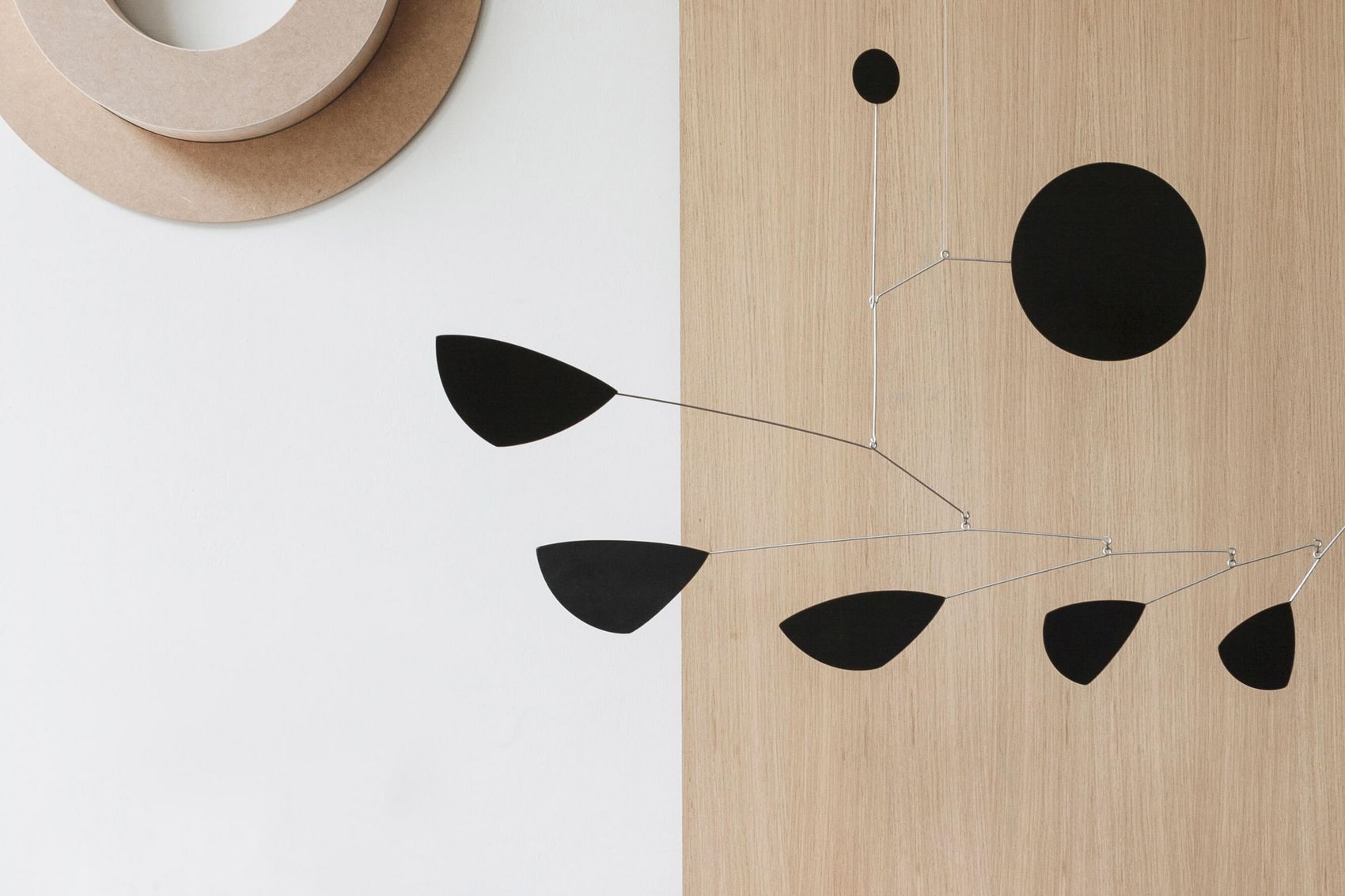
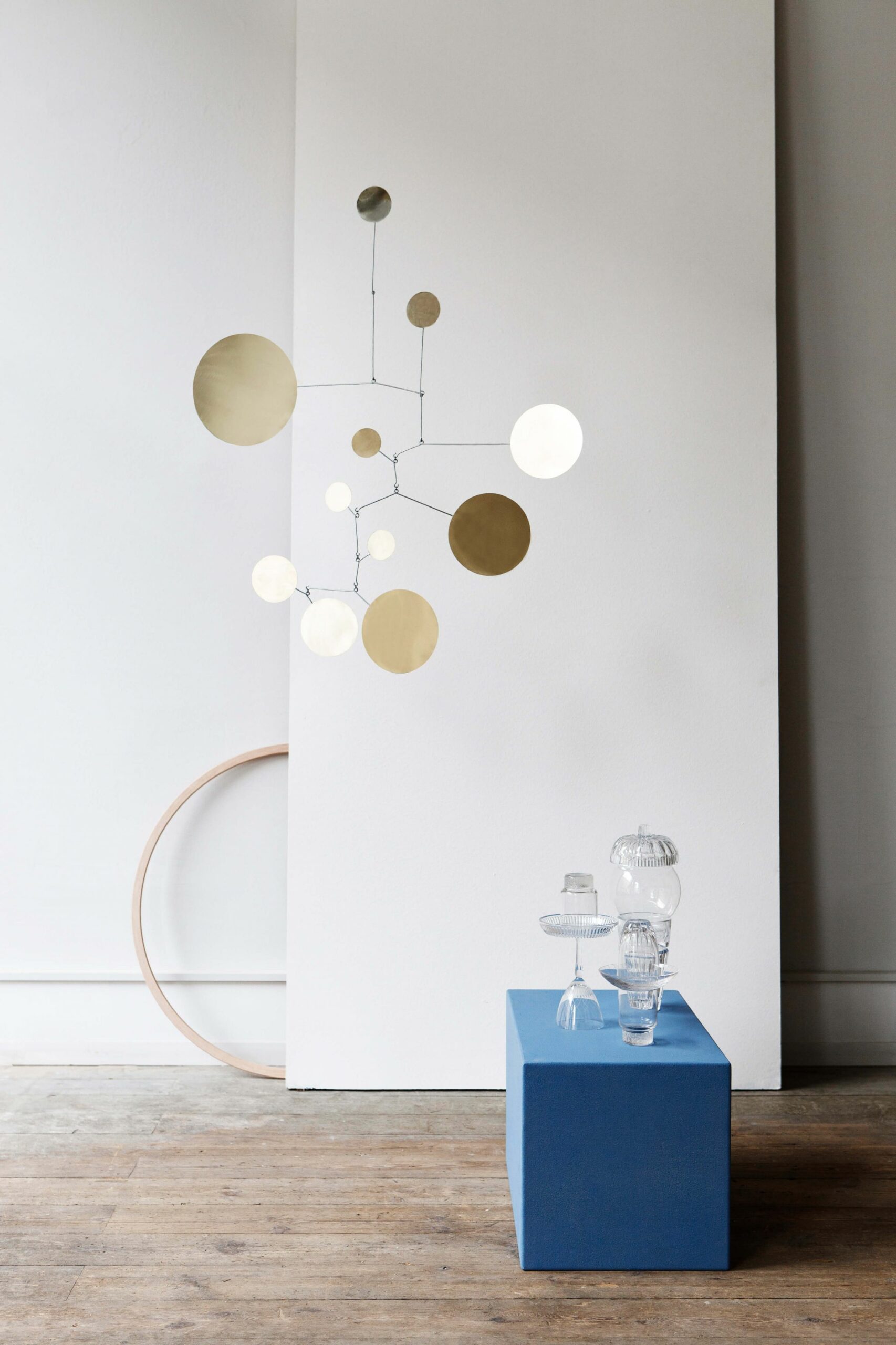
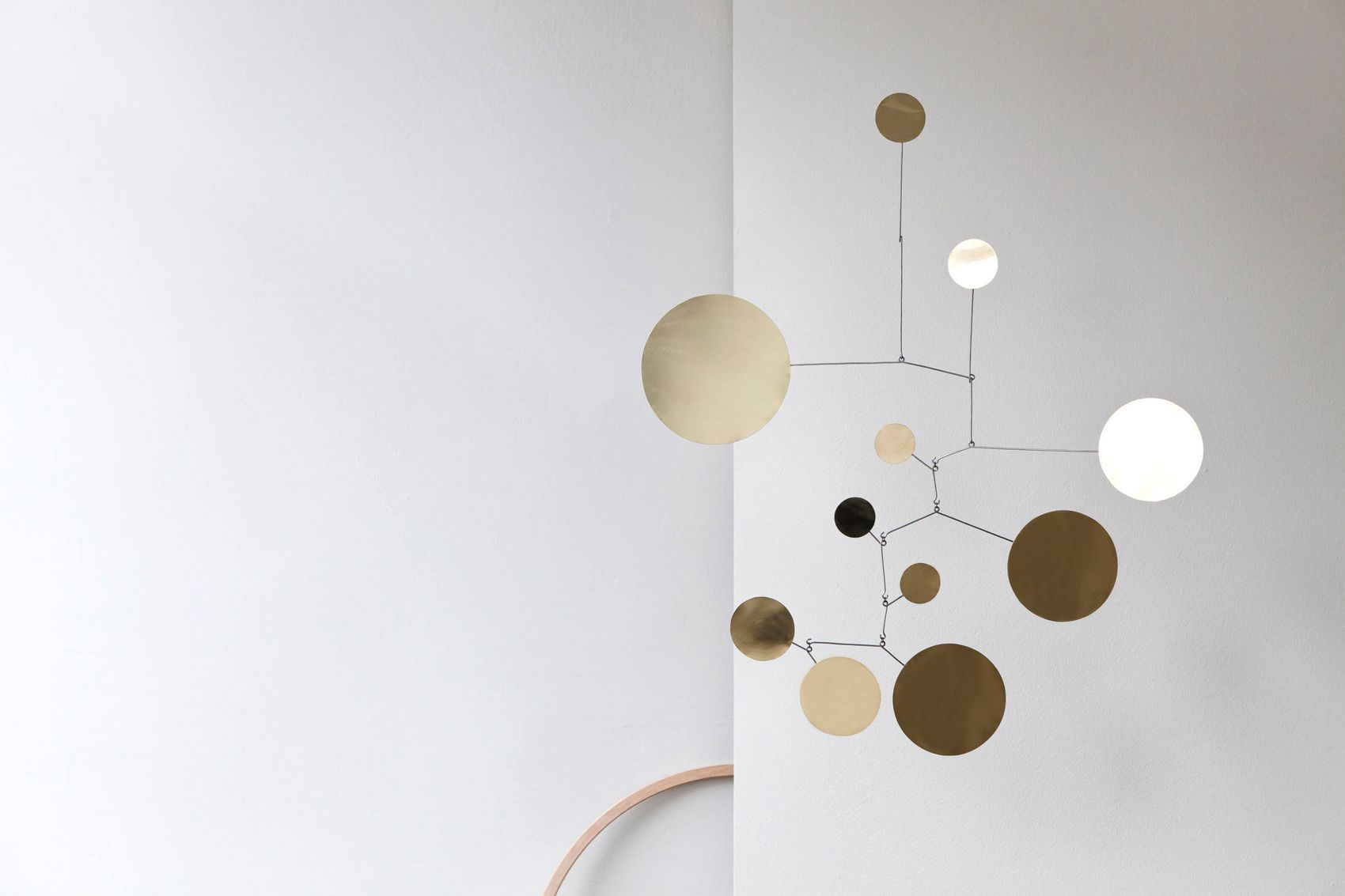
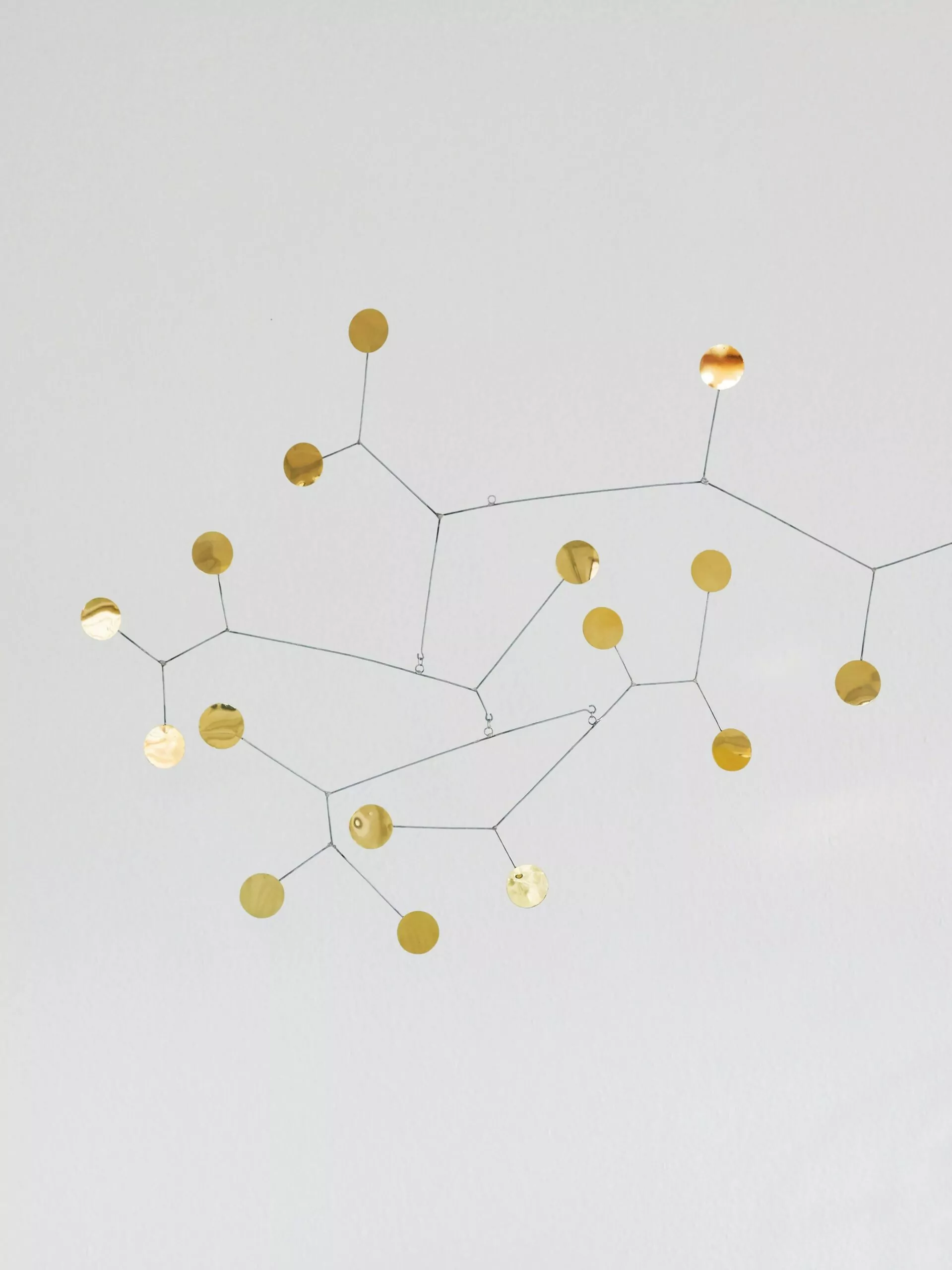
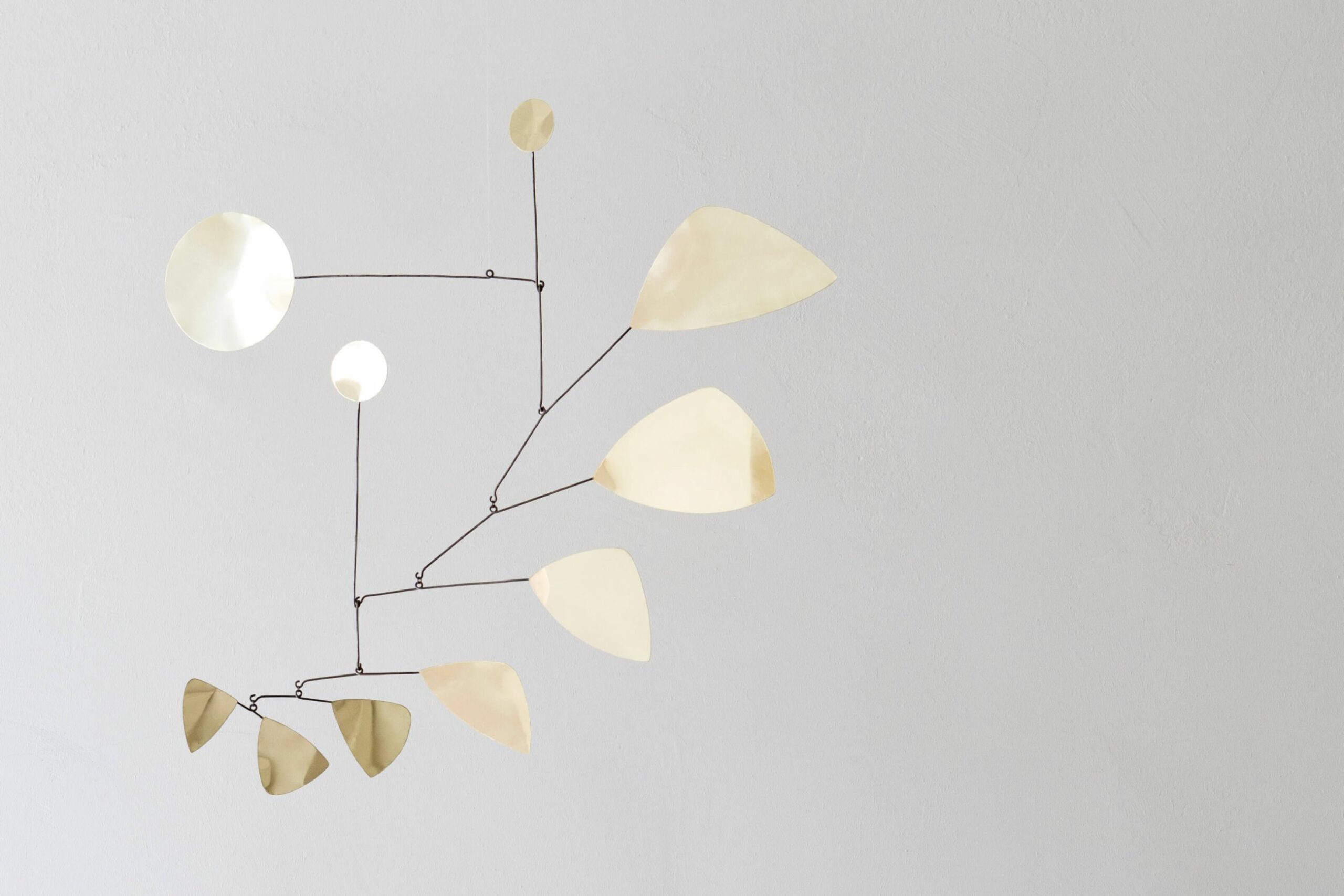
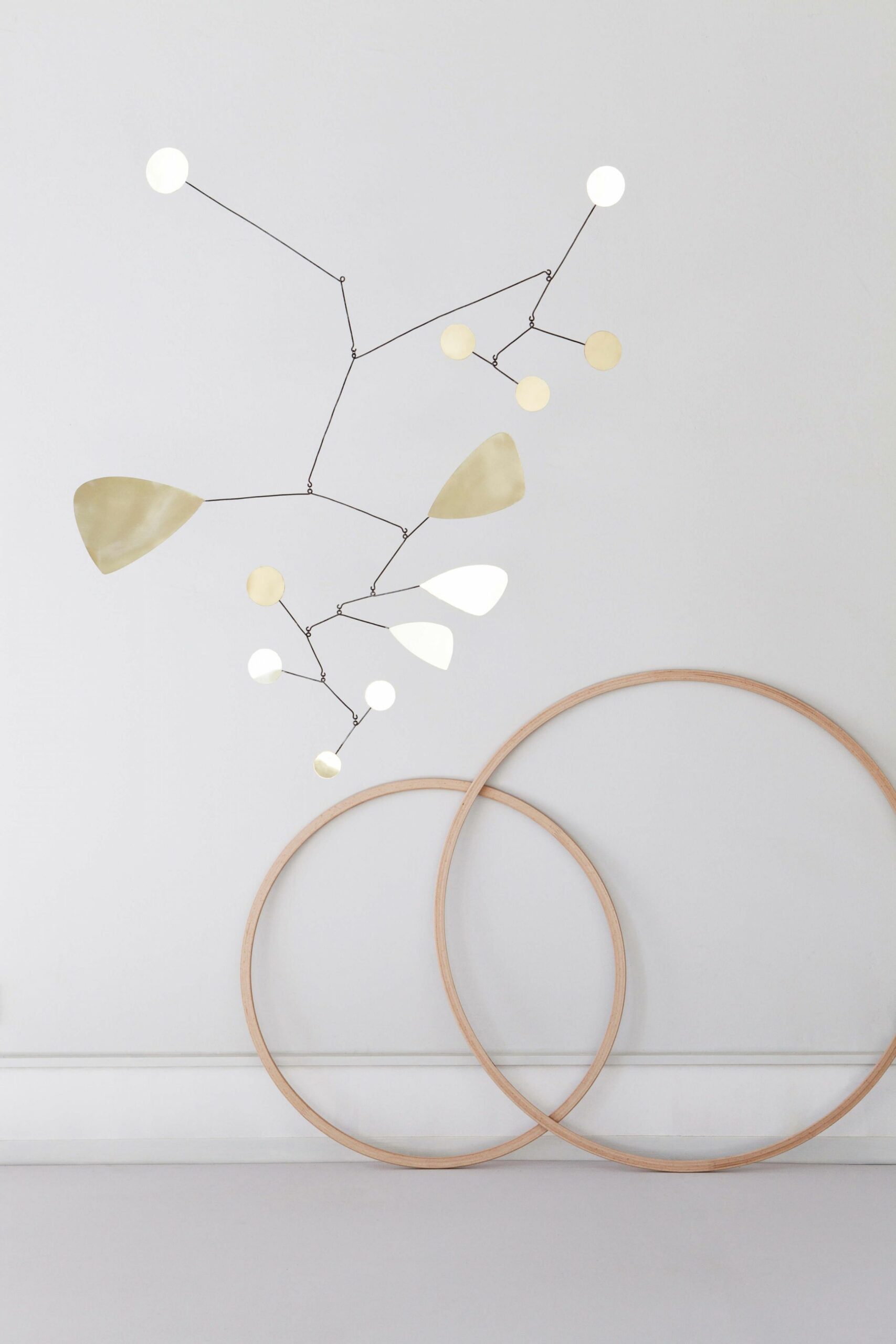
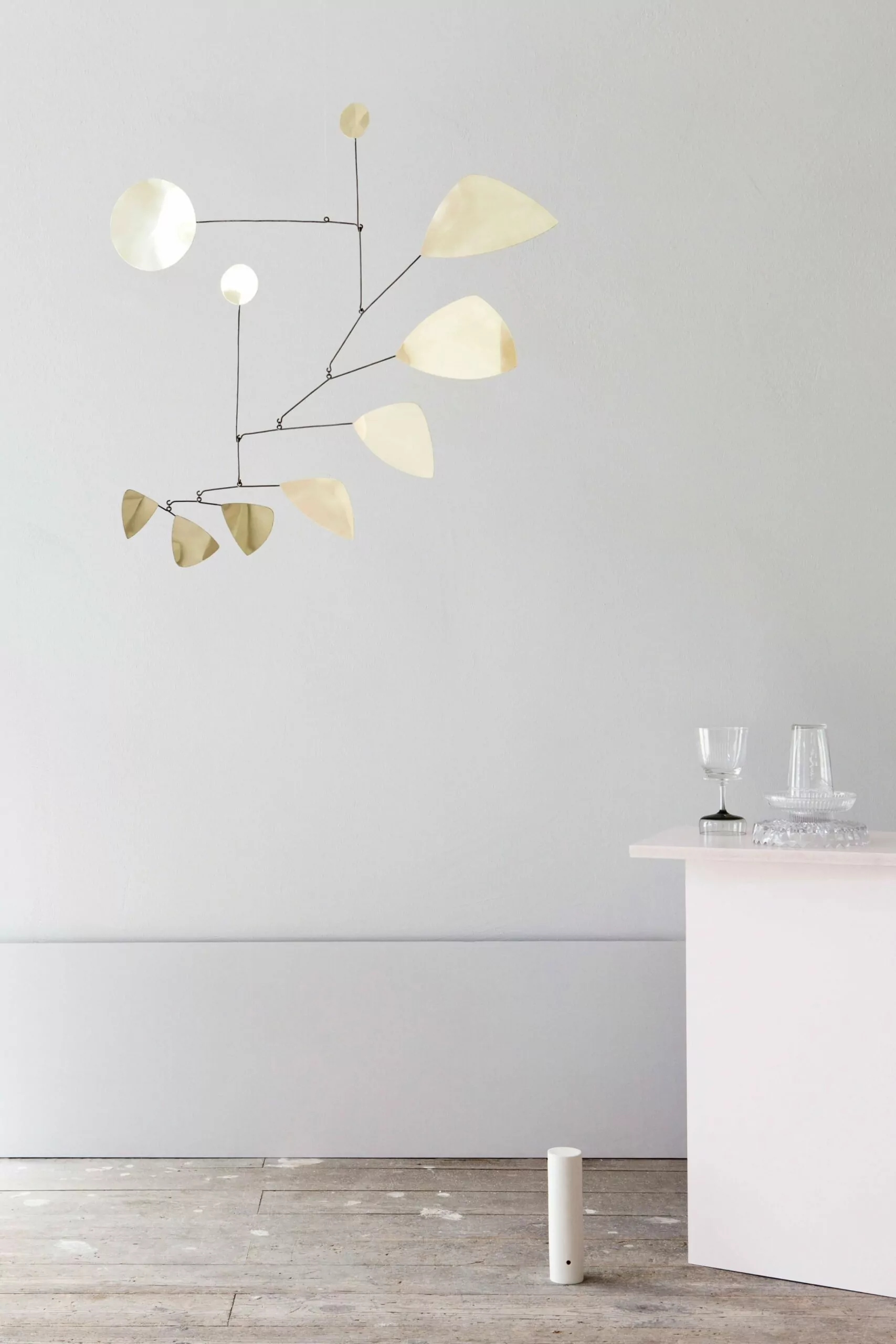
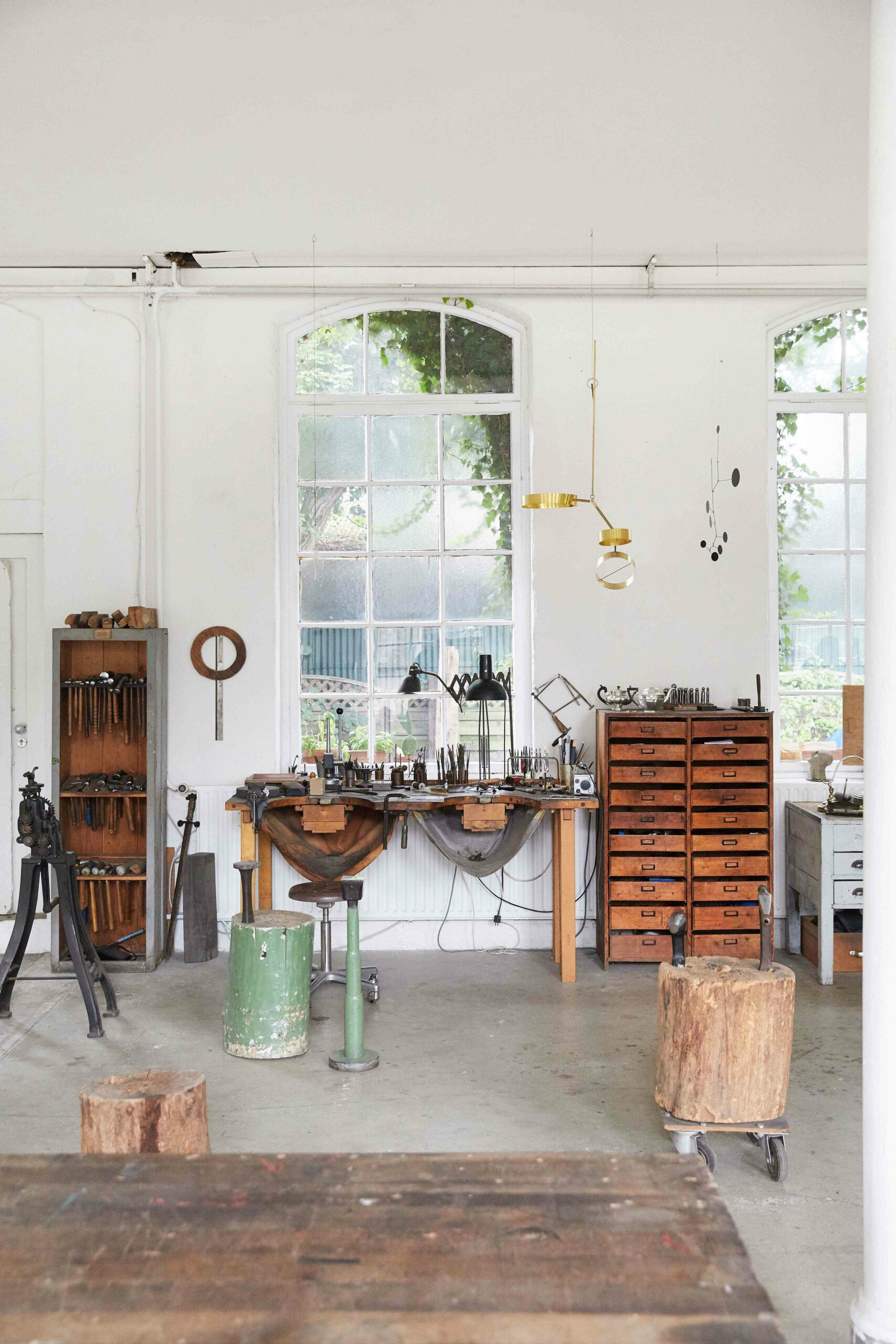
The captivating allure of kinetic sculpture, where art meets motion, finds a contemporary echo in the work of Lappalainen. Nestled in an old industrial building in Hanau, near Frankfurt, this creative workshop draws inspiration from the legendary Alexander Calder, known for pioneering the art of mobiles. Calder’s legacy, rooted in infusing beauty, warmth, and a touch of whimsy into modern spaces, resonates deeply with Lappalainen’s creations. Rivka, with her rich background in art history, and Wilfrid, a classically trained silversmith, blend their expertise to continue this enchanting tradition of crafting mobiles that dance with air, bringing a lively yet serene dynamic to any environment.
At Lappalainen, each mobile is a narrative of balance and elegance, handcrafted from inception to completion. The process is a careful choreography of art and craftsmanship, beginning with sketches transforming into delicate metal shapes. Wilfrid’s silversmithing skills shine as he meticulously hammers and shapes the wire, constructing the mobile’s intricate framework. The act of soldering and polishing each piece is not just about achieving a flawless finish but about capturing the light and allowing the mobile to move with a graceful, almost ethereal fluidity.
The essence of a Lappalainen mobile lies in its final balancing act within their workshop, ensuring each piece achieves a perfect equilibrium. This meticulous process is what sets their mobiles apart, allowing them to add a subtle, dynamic presence in any space. Each mobile departs from Lappalainen’s workshop not just as a visually stunning piece but as a manifestation of the blend of artistic vision and skilled craftsmanship. As these kinetic sculptures find homes worldwide, Rivka and Wilfrid continue their journey, expanding the horizons of a traditional silversmith workshop into a global name in the art of mobiles.
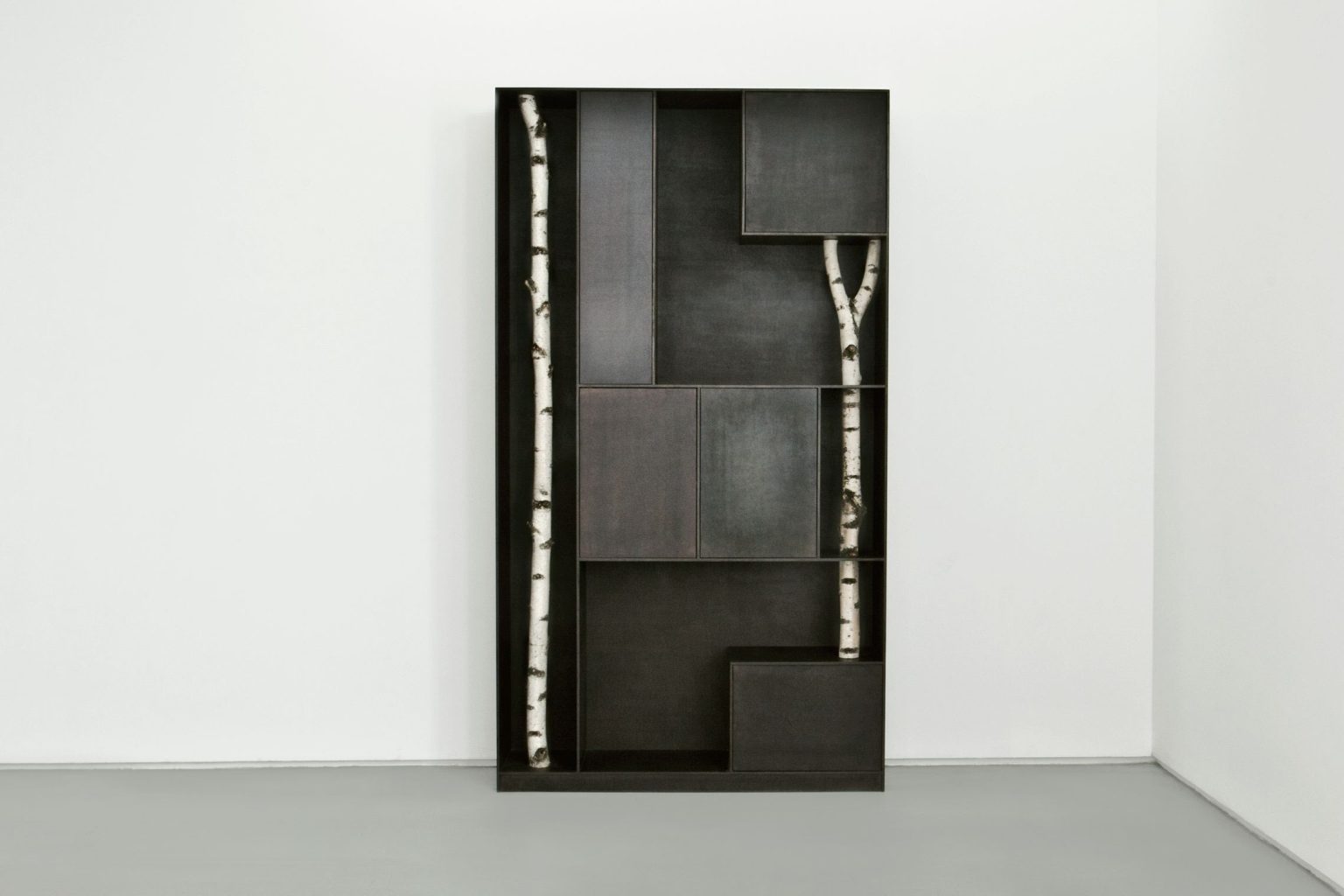
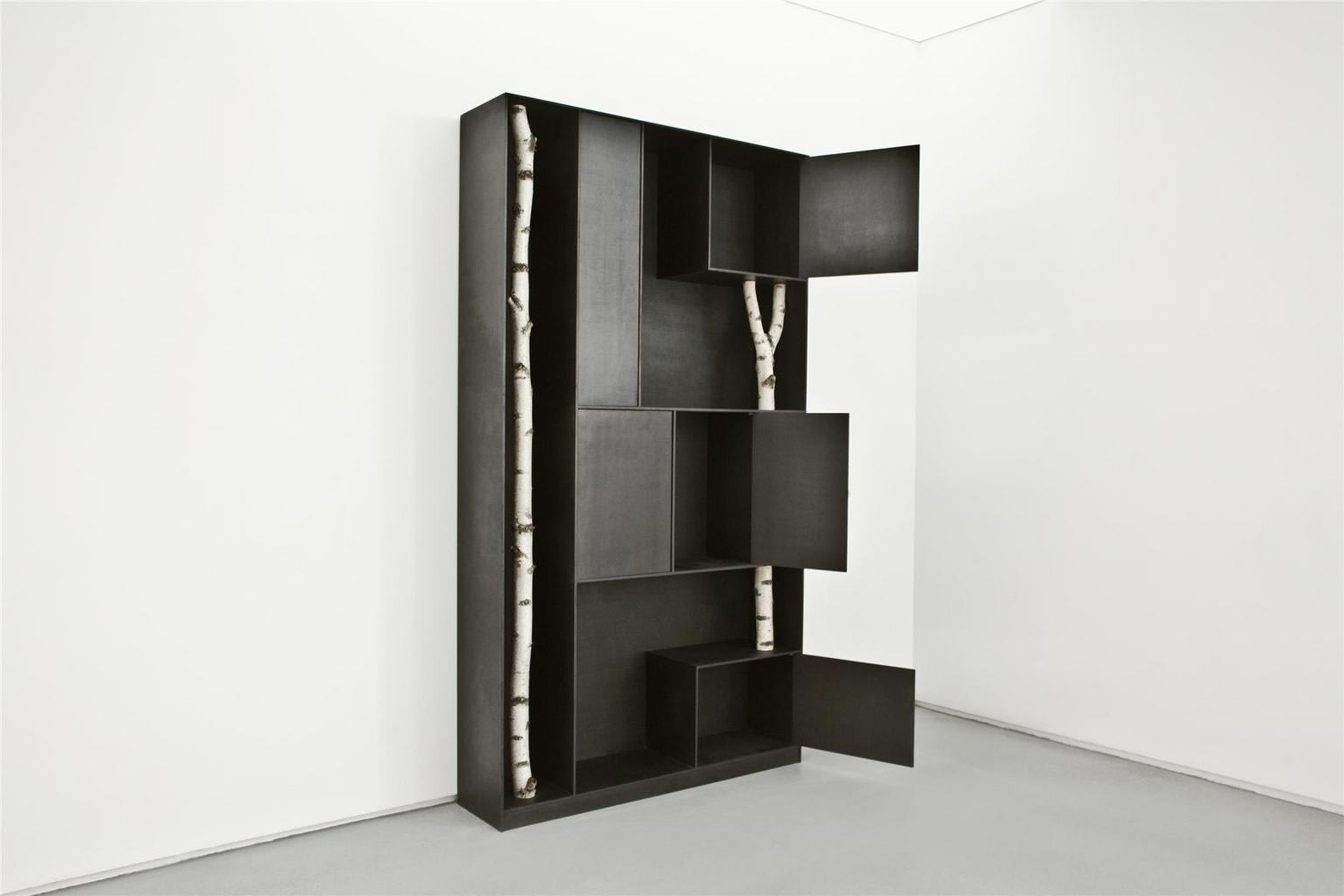
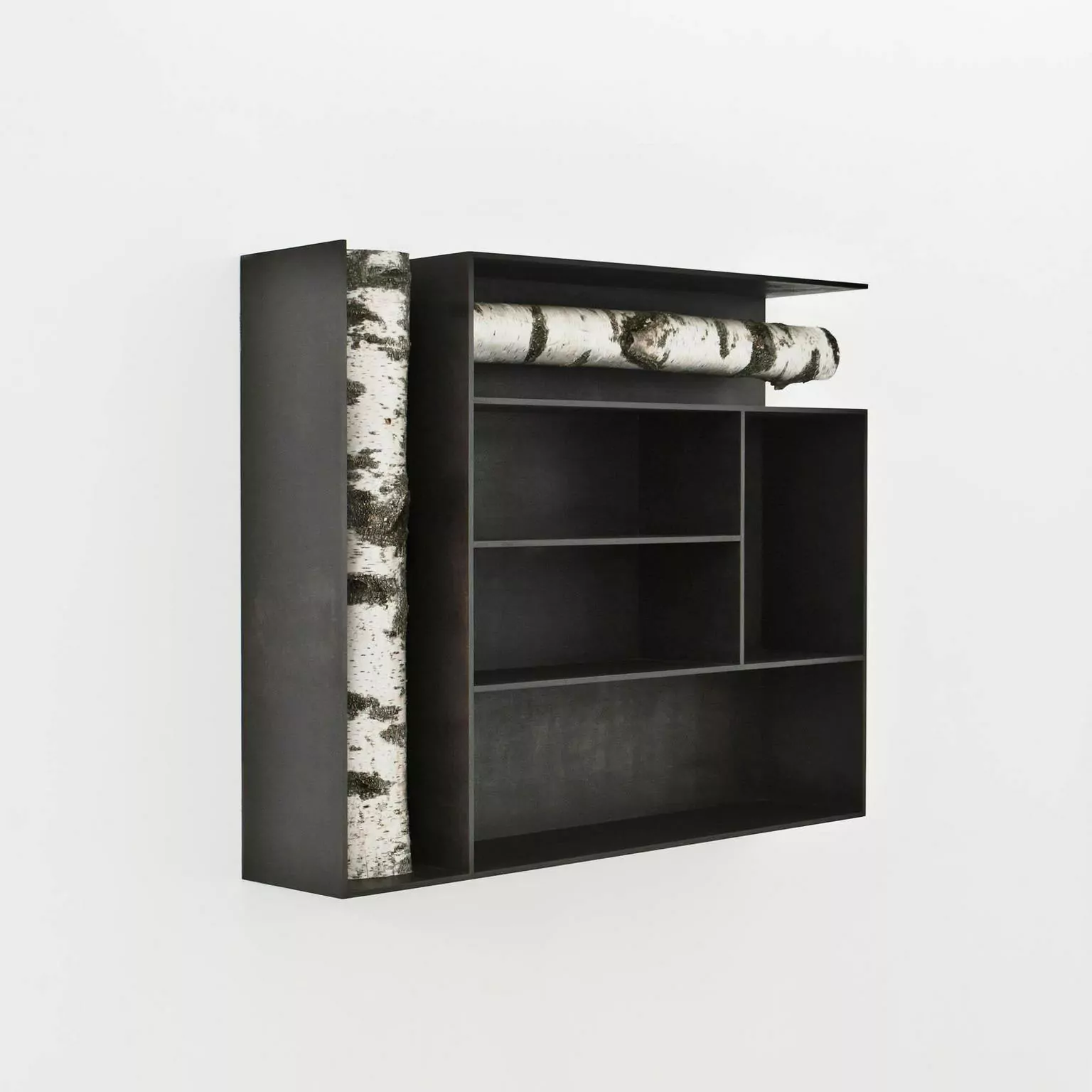
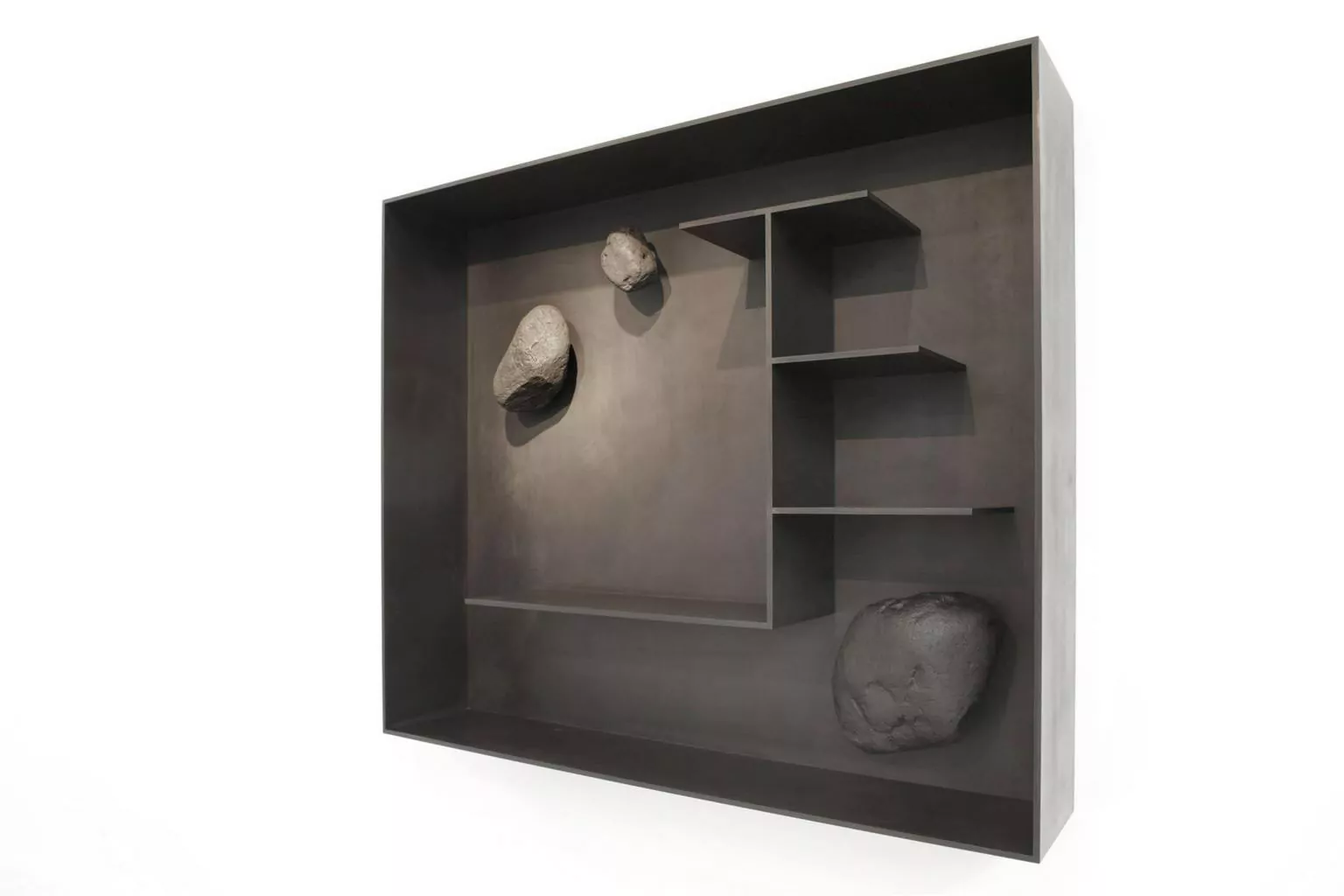
In the world of design, Andrea Branzi stands out as a figure who has consistently pushed the boundaries of creativity and functionality. His latest series, “Natural Shelving,” is a brilliant testament to his vision of harmonizing industrial design with the organic forms of nature. These pieces are not just furniture; they are a statement, a reflection of Branzi’s philosophy that design should be a bridge between the man-made and the natural world.
The “Natural Shelving” series is a collection that features the raw beauty of tree trunks and branches, seamlessly integrated into minimalist aluminium frames. This juxtaposition of the refined and the rustic challenges our perceptions of interior space and the elements that define it. Branzi’s work invites us to reconsider the relationship between our environment and the objects we place within it, urging a dialogue that contemplates the essence of both nature and culture.
Branzi’s shelves are more than mere storage solutions; they are micro-architectural spaces that transform the act of display into an art form. Each piece tells its own story, with the natural wood elements bringing a unique, unrepeatable presence to the design. It’s this celebration of individuality and expression that makes Andrea Branzi’s “Natural Shelving” a remarkable addition to the landscape of contemporary design.
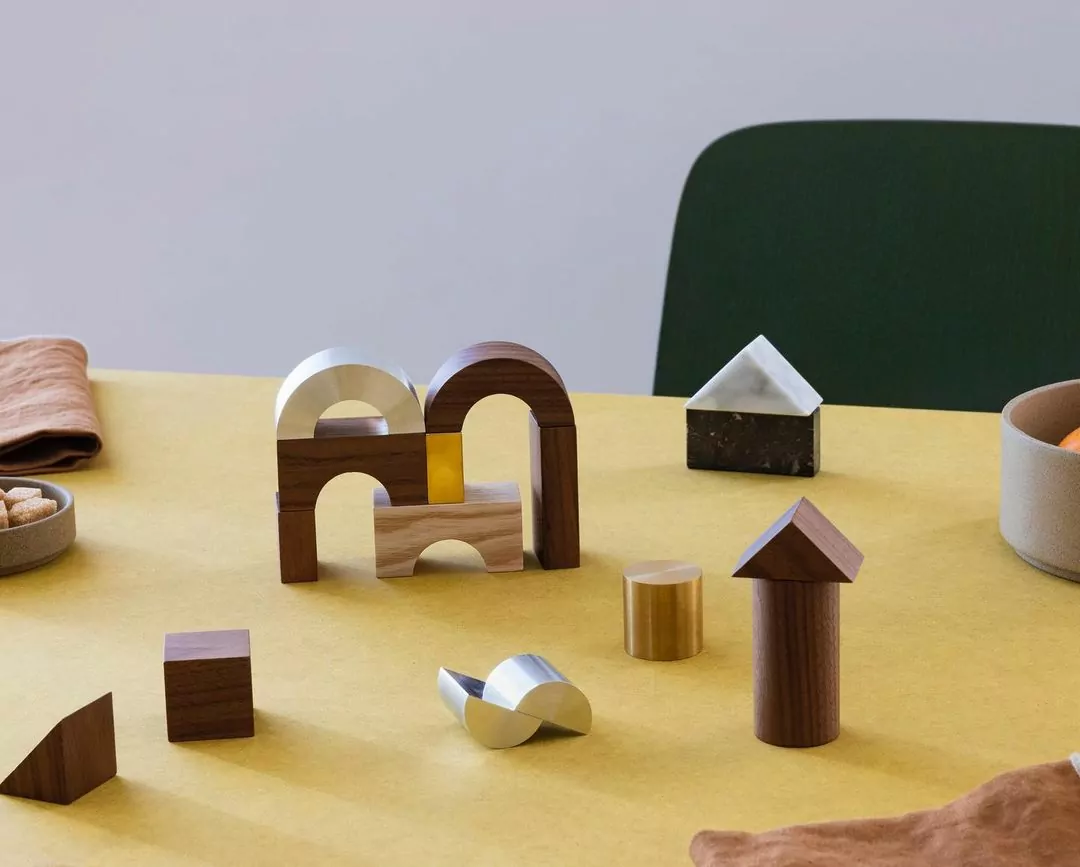
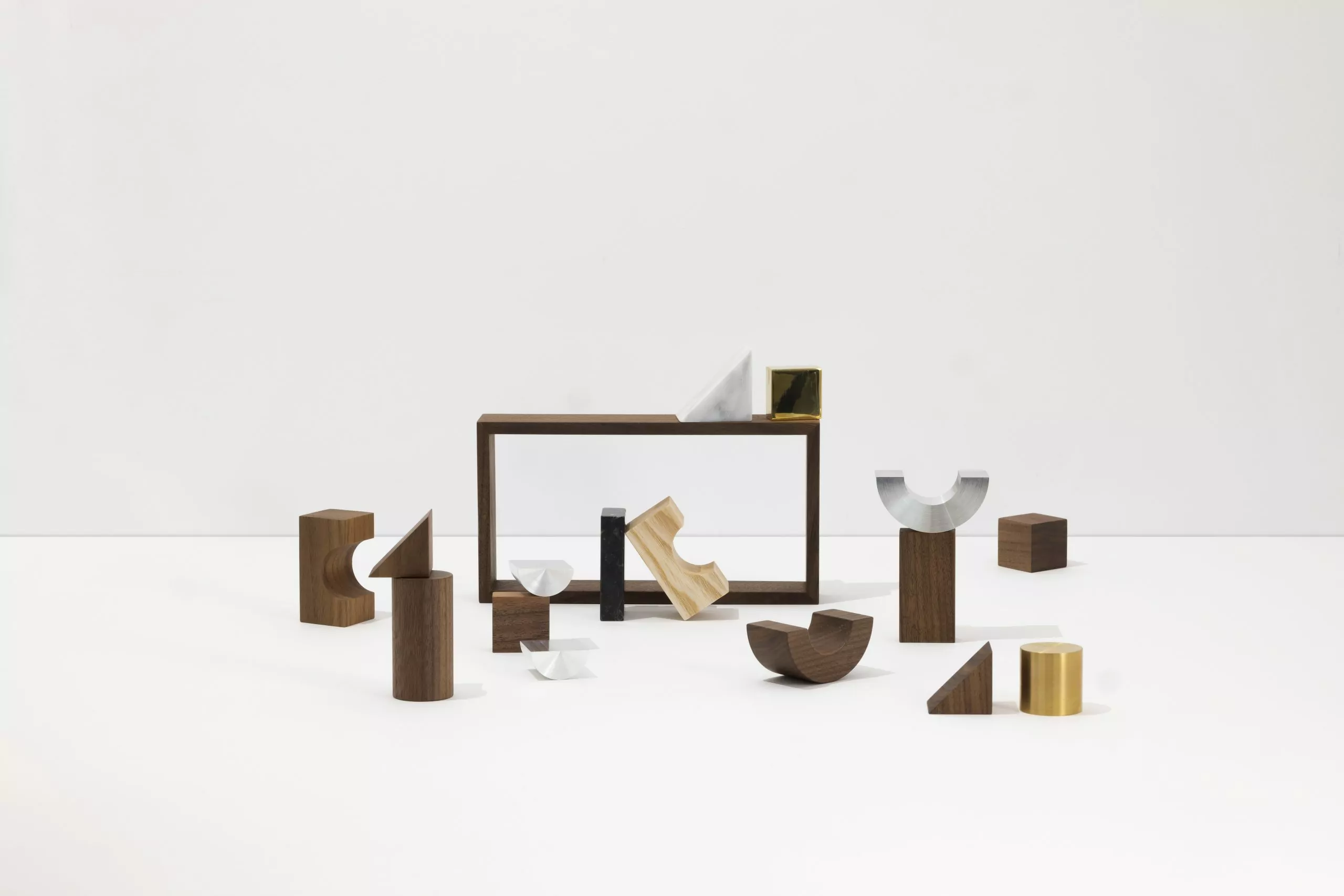
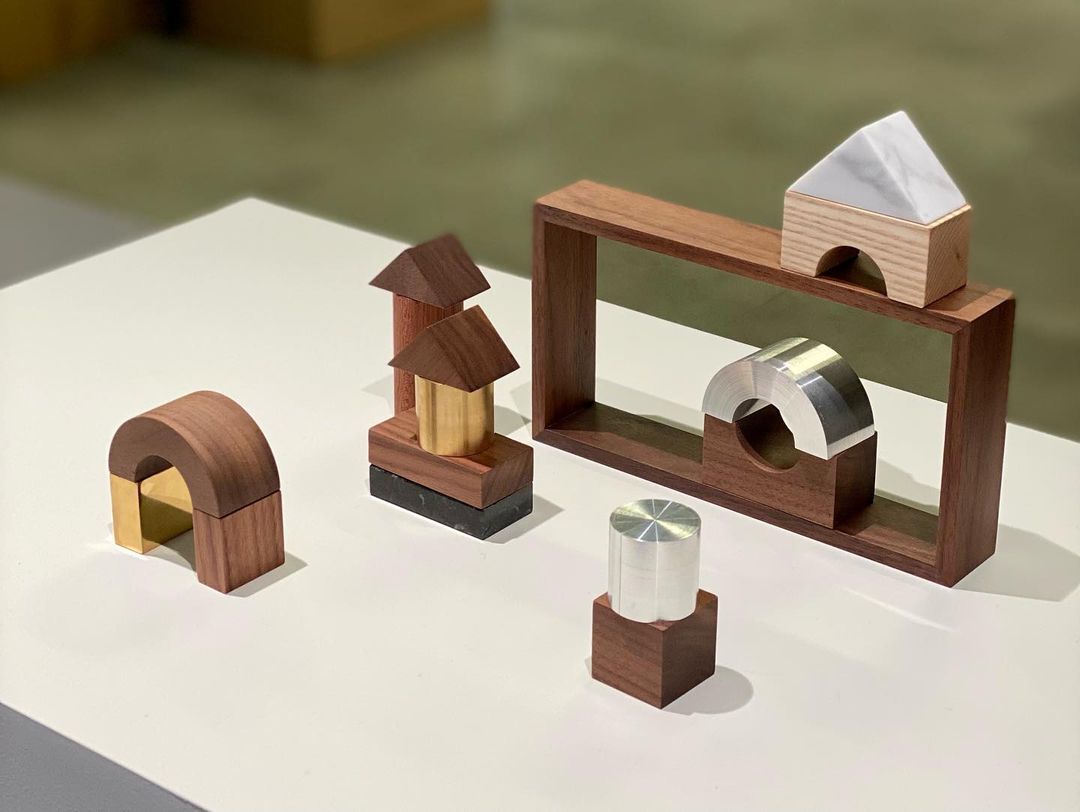
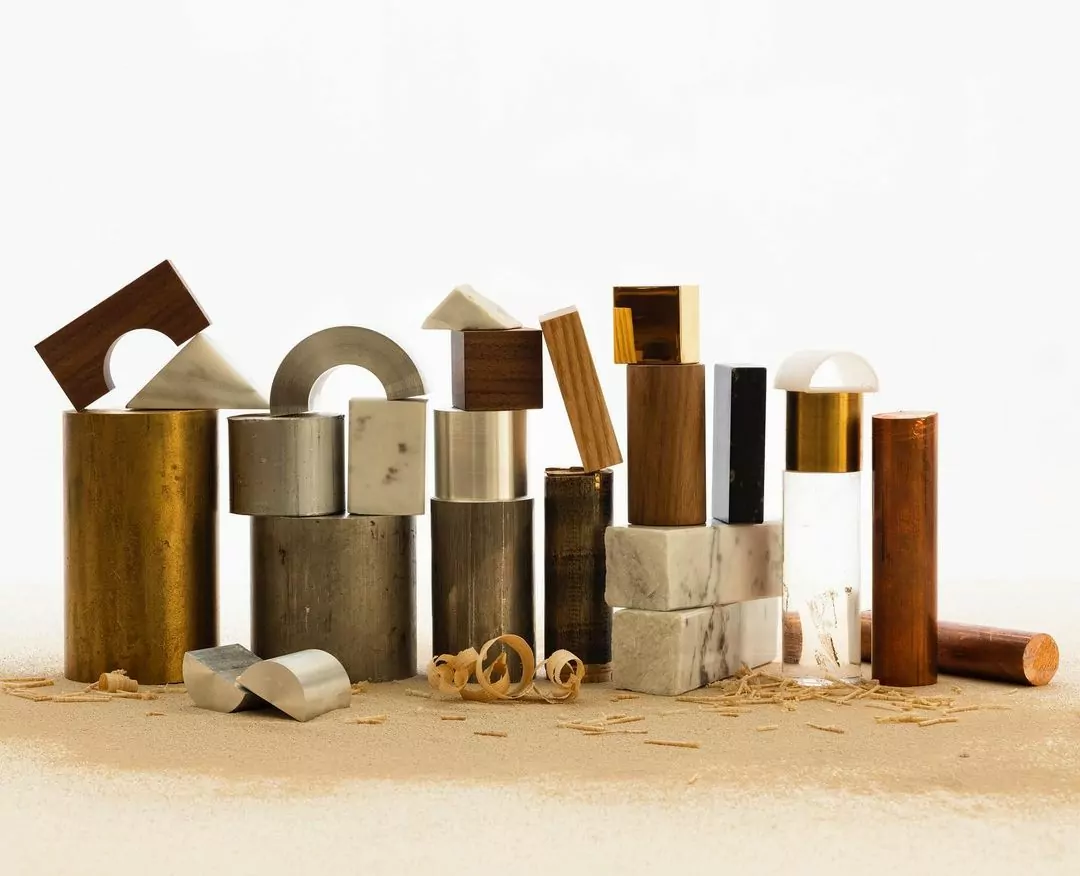
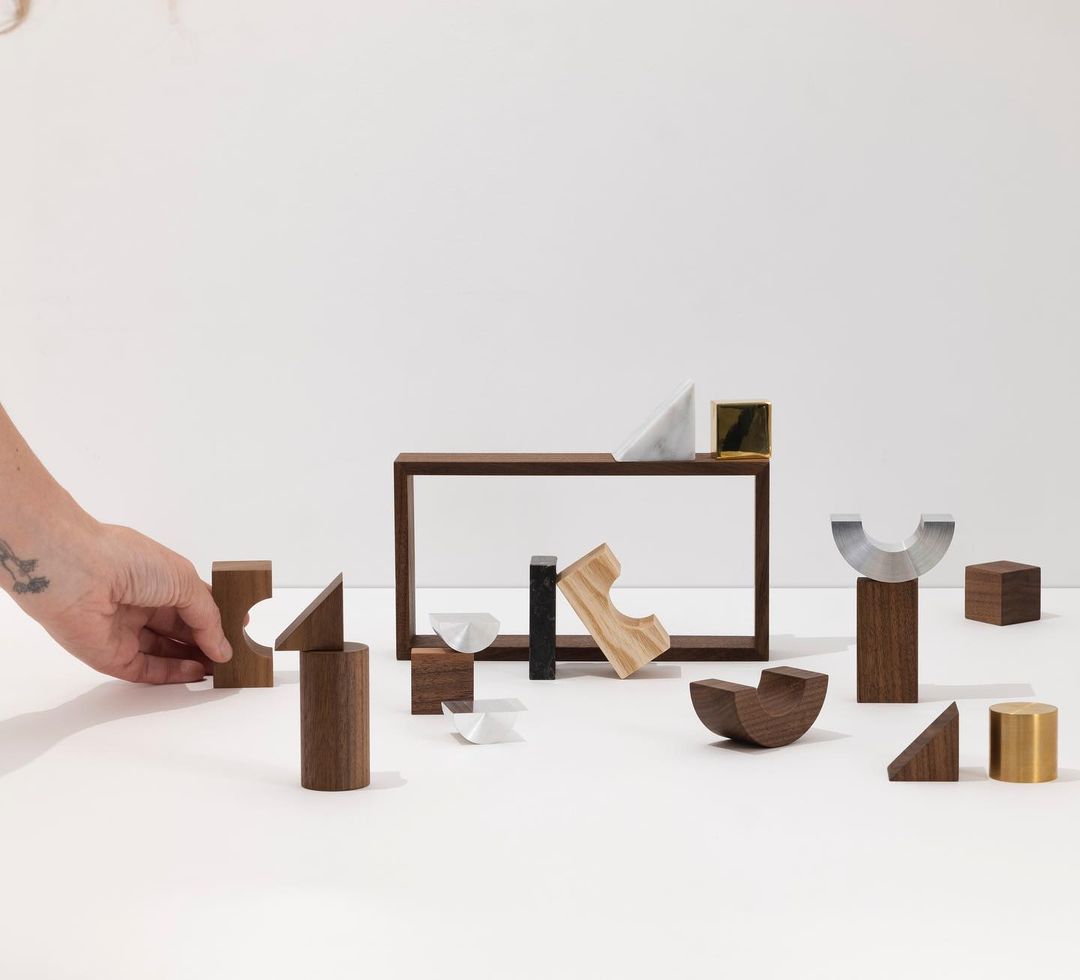
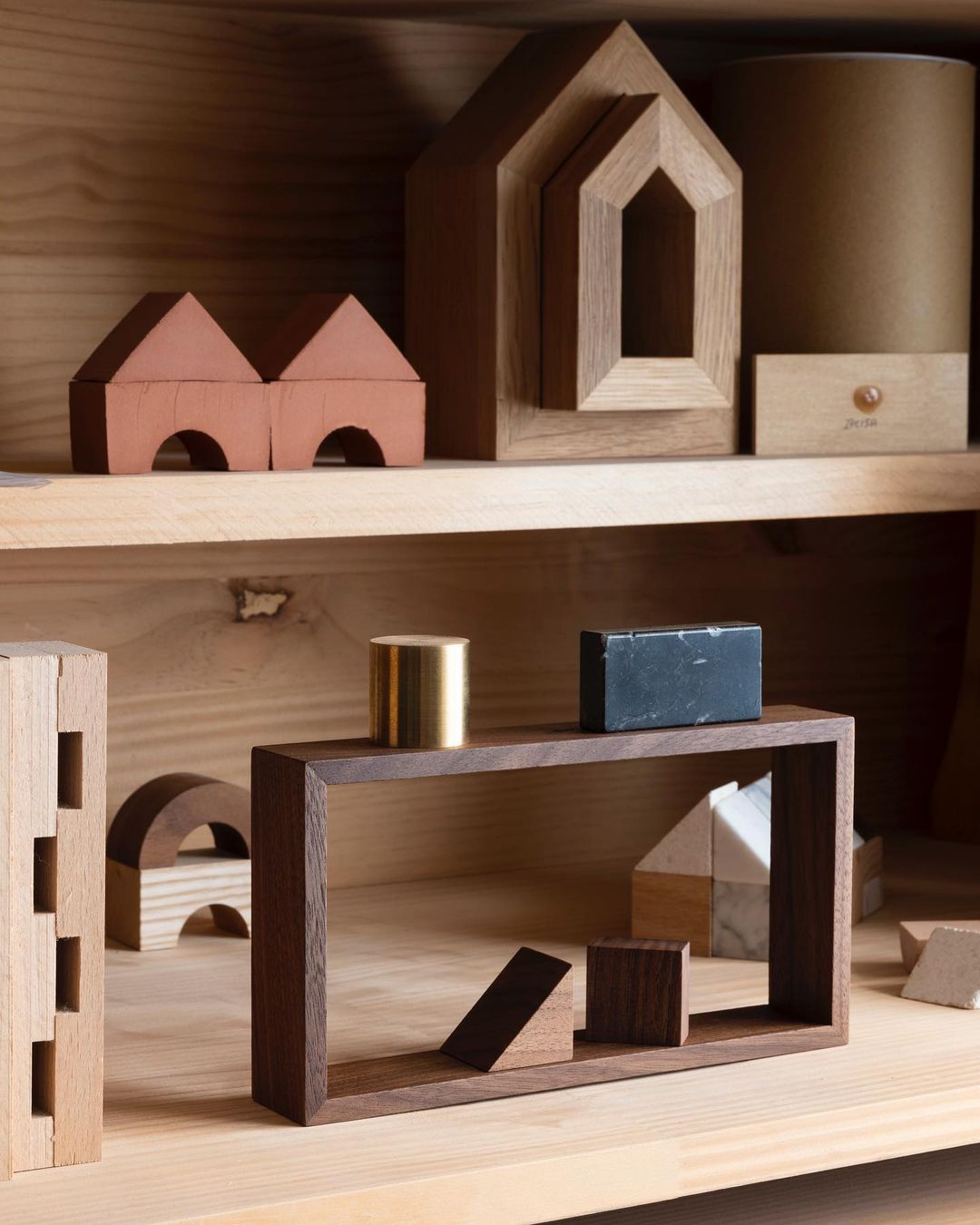
Carulla, a Spanish designer revered for his exploration of materiality and craftsmanship, has masterfully blended traditional techniques with modern aesthetics. His studio, nestled in a rustic old mill near Barcelona, serves as a crucible for his artistic vision, culminating in the creation of ‘Blocs’ – a collection of wooden blocks that challenge our perception of everyday objects.
‘Blocs’, crafted from solid oak, are more than mere wooden blocks. Each piece in this collection embodies versatility and minimalist elegance, seamlessly transforming from candle holders to vases, planters, or simply captivating decorative elements. Inspired by children’s building blocks, Carulla injects a sophisticated, grown-up twist to these familiar forms. The variety in shapes and sizes opens up endless possibilities for arrangement, allowing these blocks to adapt to any space, adding a touch of whimsy and organic warmth.
Andreu Carulla’s approach to design is deeply rooted in a respect for materials and an innate desire for sustainable practices. Collaborating closely with local artisans, he ensures each piece carries the essence of traditional craftsmanship, infused with modern design sensibilities. ‘Blocs’ is not just a product; it’s a celebration of wood’s natural beauty, and a nod to imaginative play.
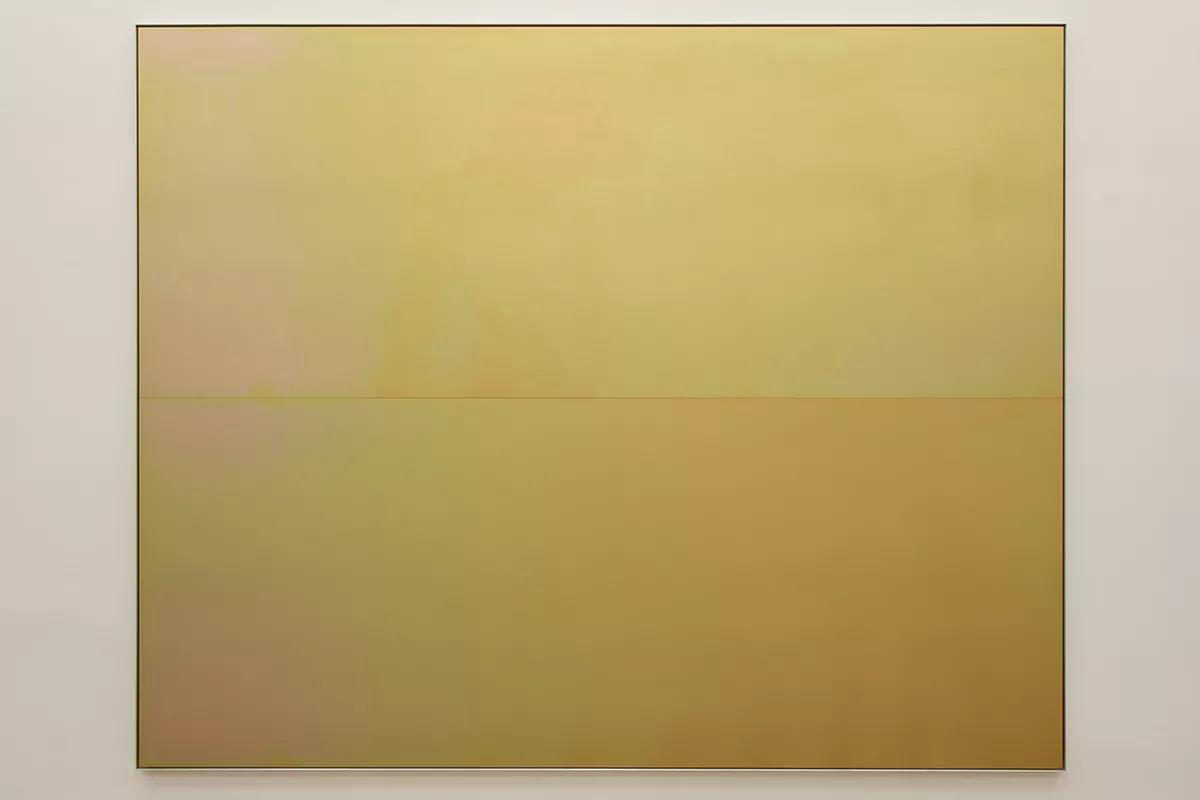
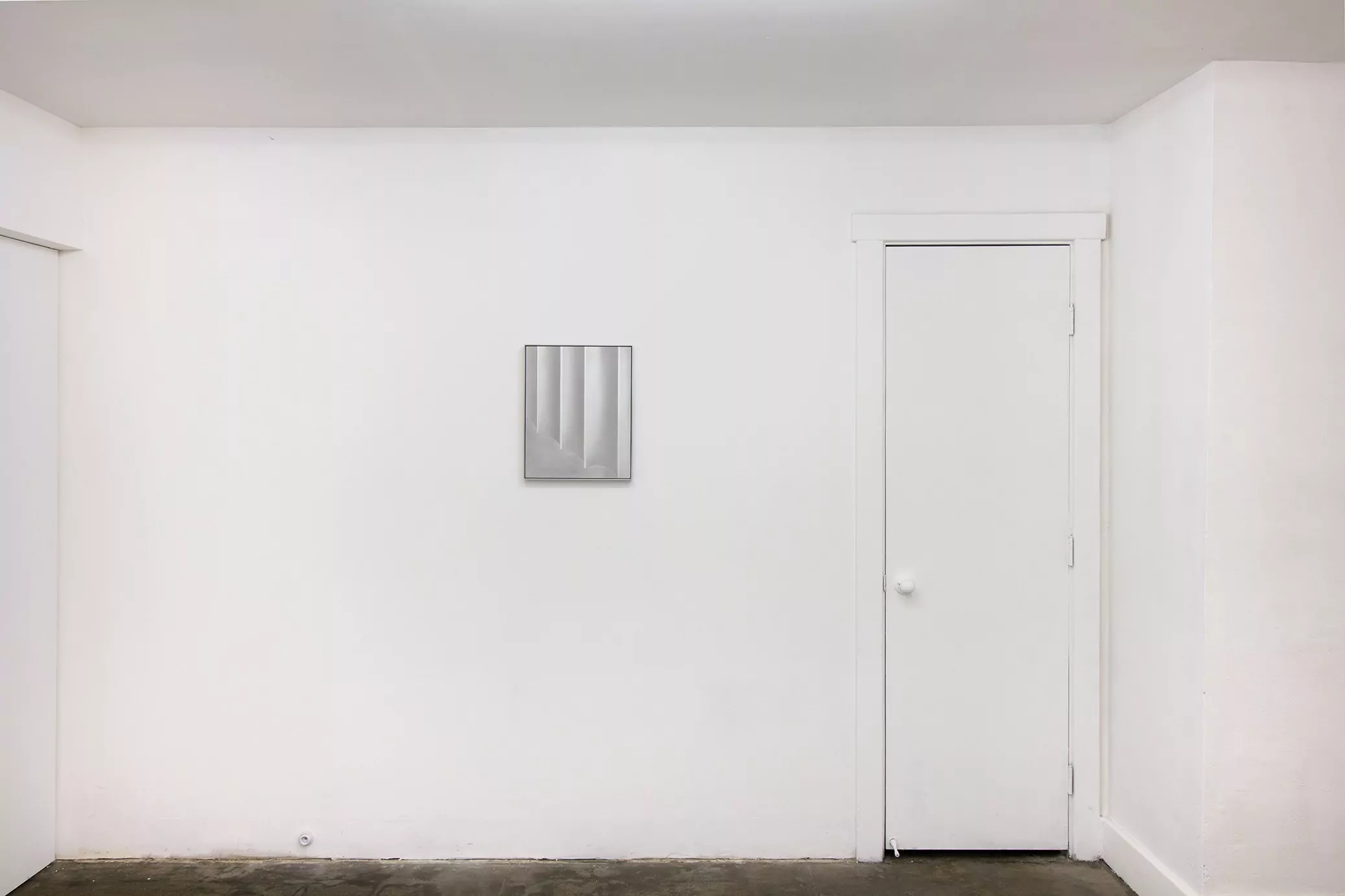
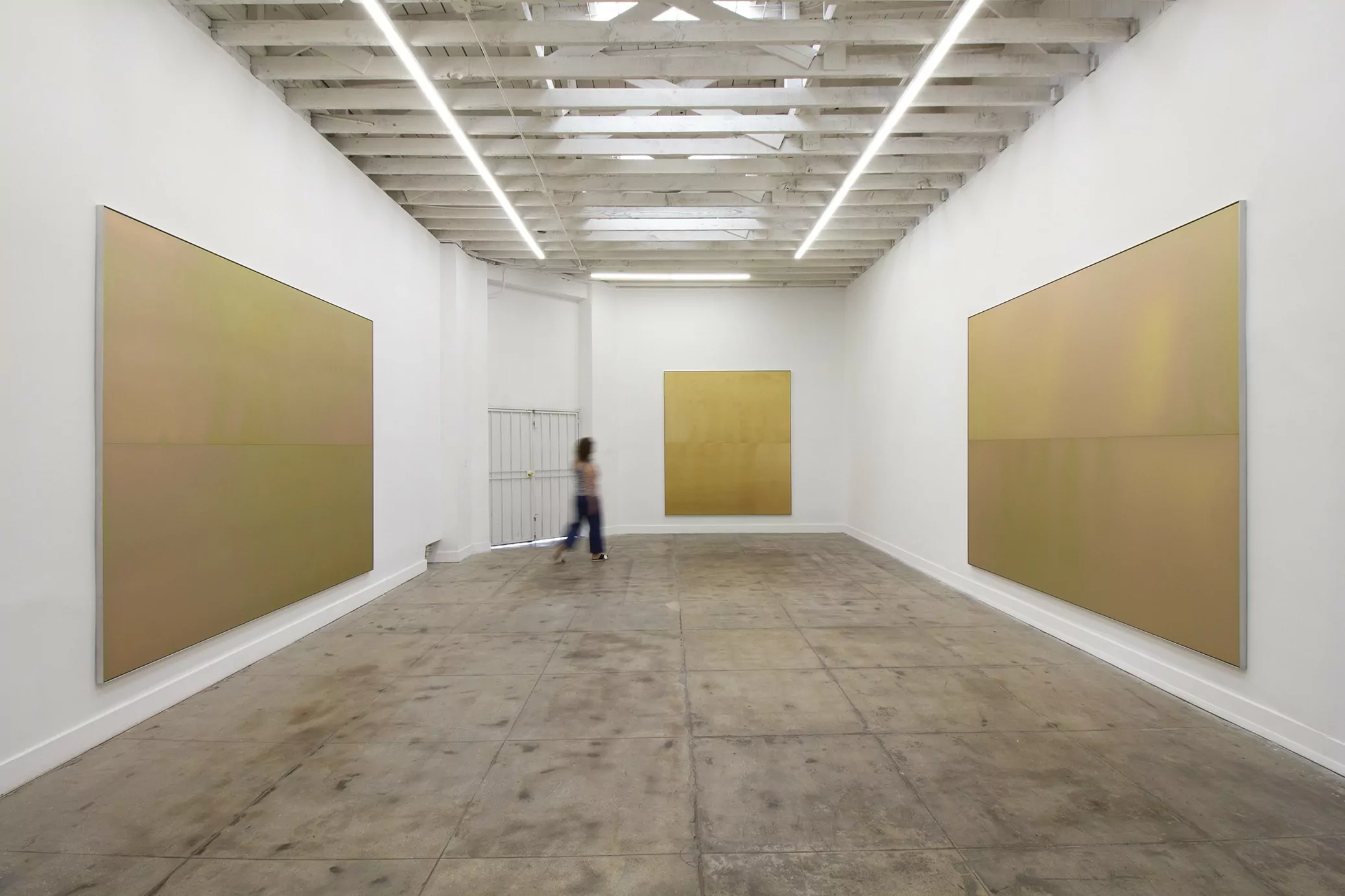
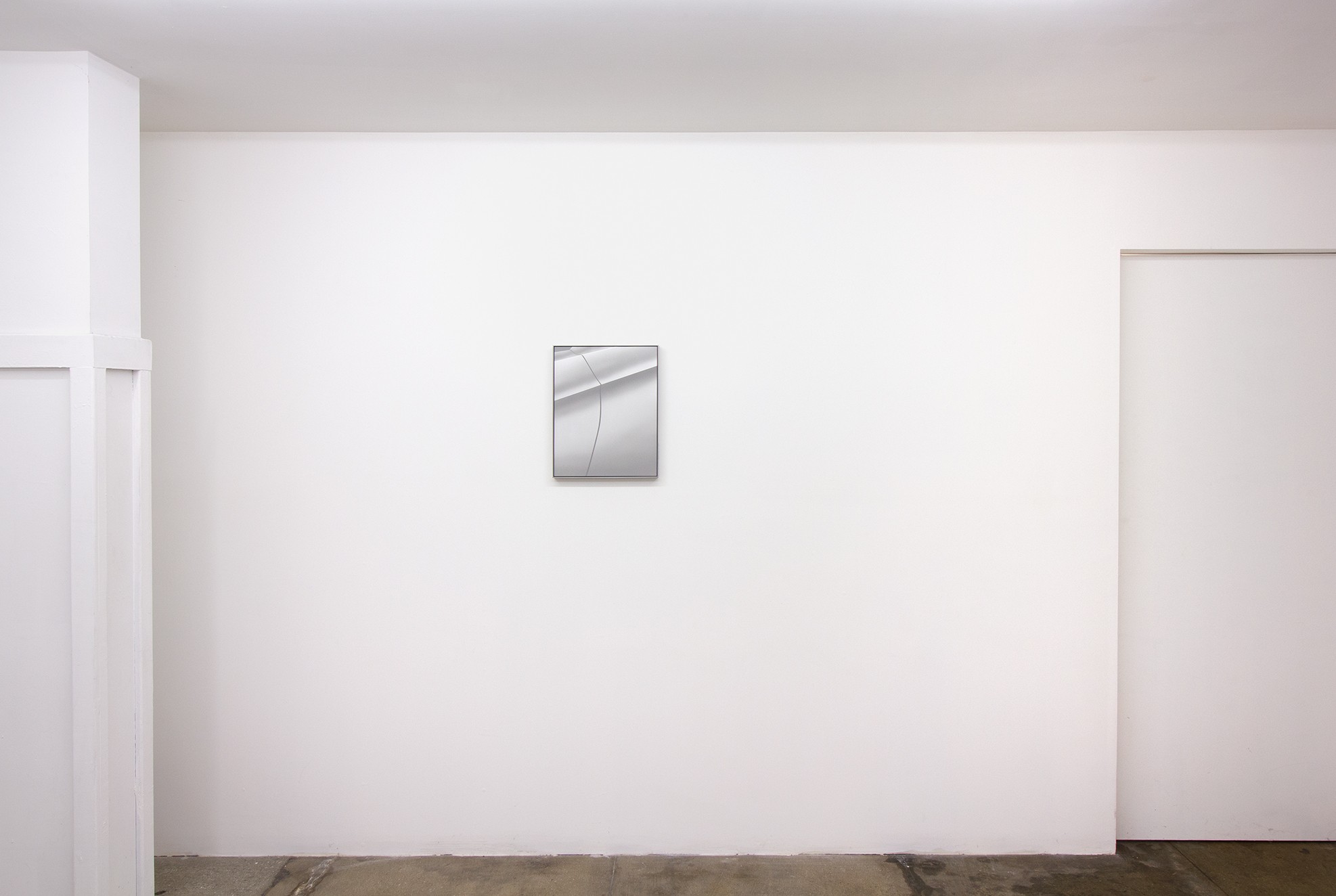
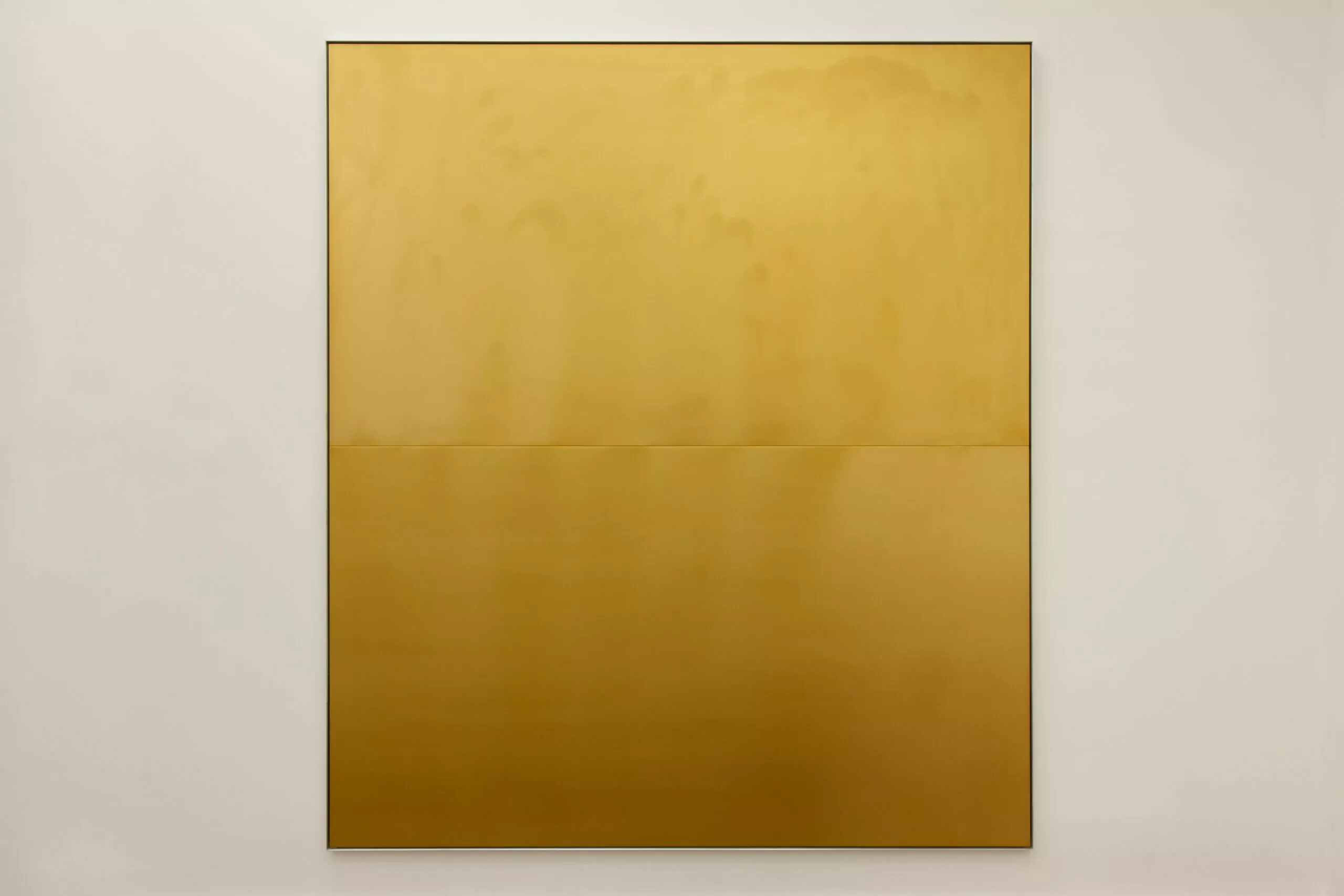
In the artistic landscape sculpted by Devin Farrand, we are ushered into an environment where the rich heritage of craftsmanship meets the innovative pulse of modern art. In his series “Felled Forms,” Farrand embarks on a journey exploring the nuanced dynamics of light, shadow, and form. His works echo a legacy rooted in generations of craftsmanship, from building cars to crafting musical instruments, encapsulating a profound connection to material and making.
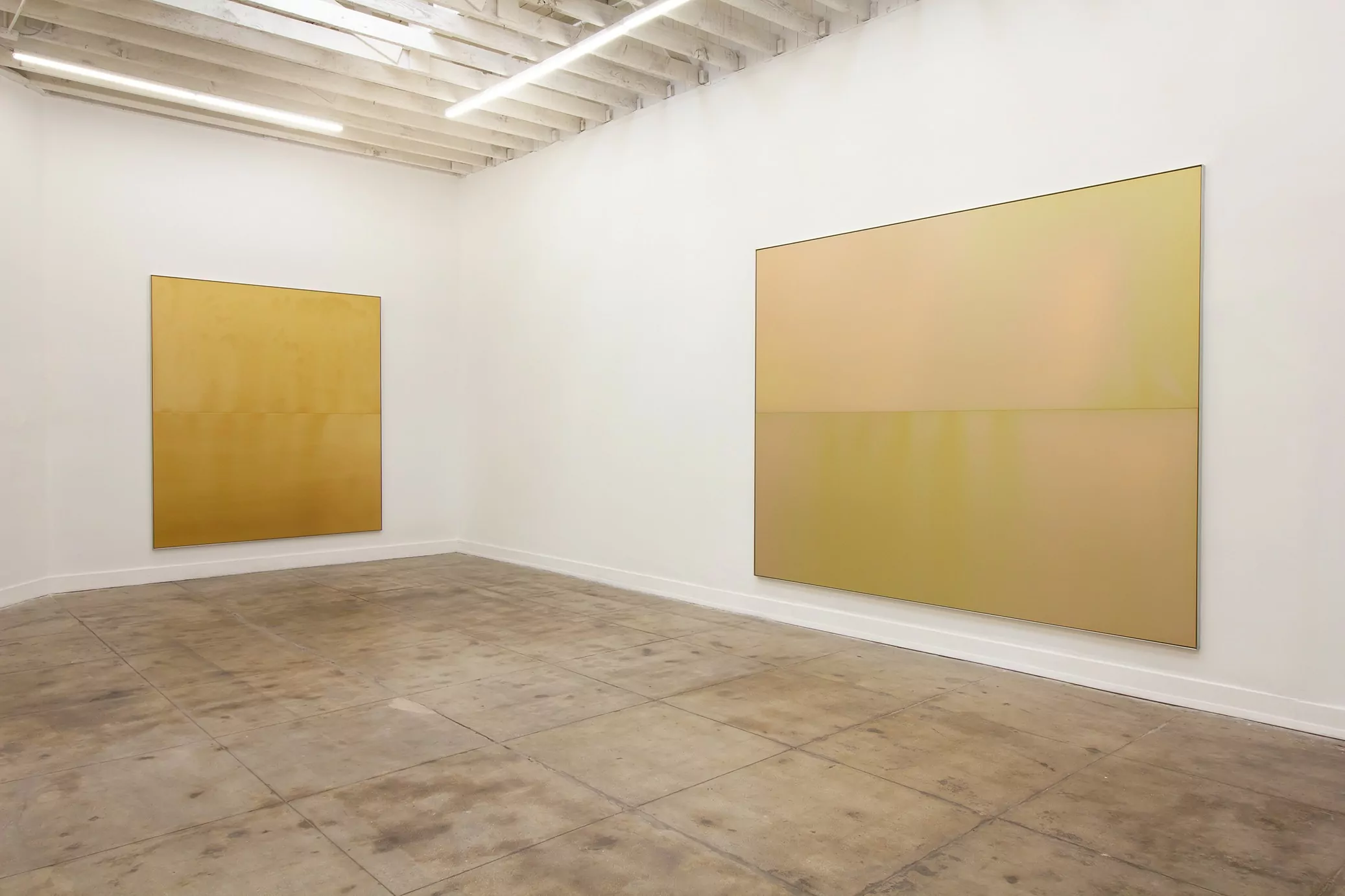
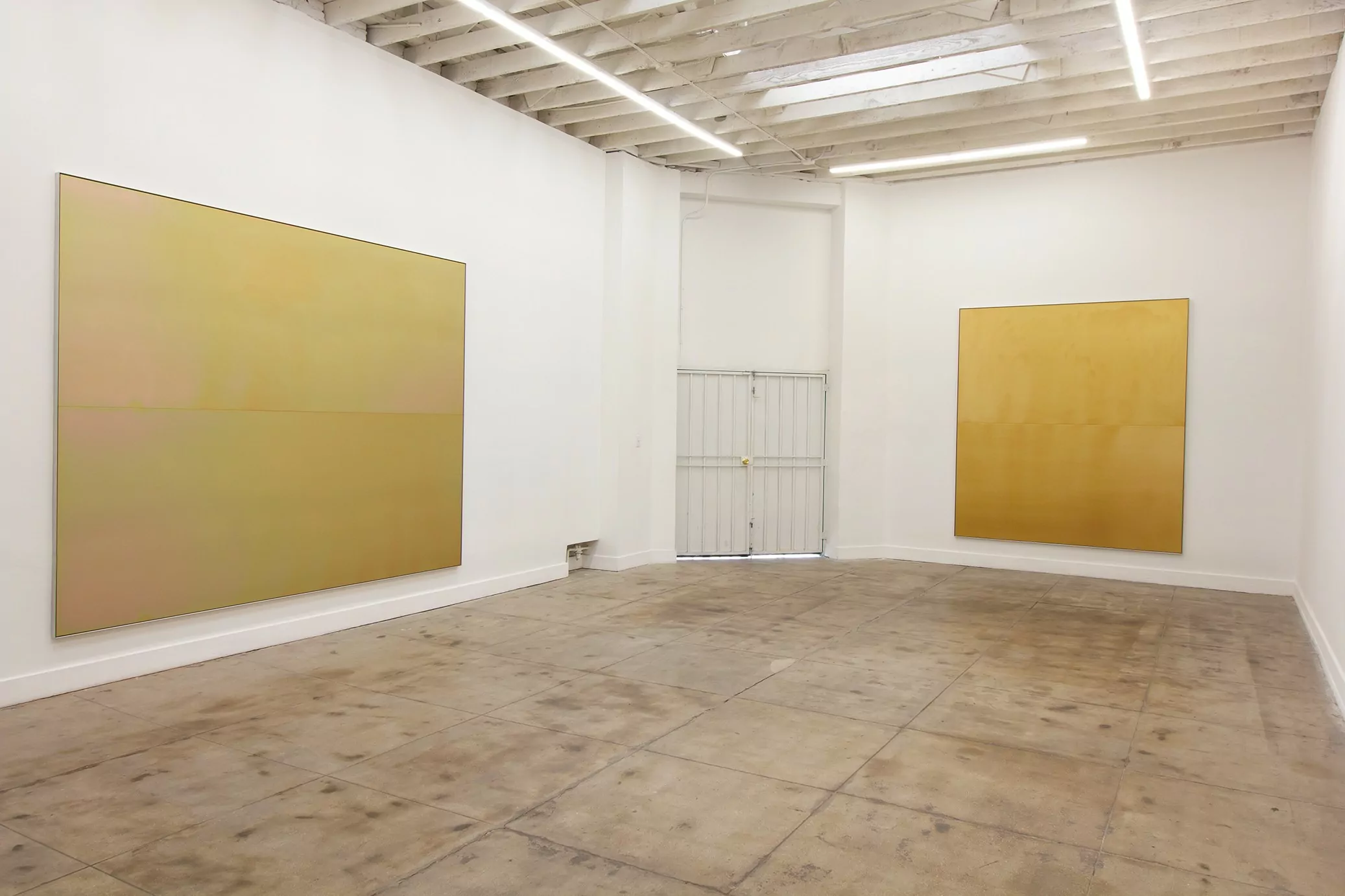
In “Felled Forms,” we find ourselves amidst a striking duality. On one side, canvases shimmer in a vibrant dance of yellow and gold, rippling with the playfulness of light. These pieces, adorned with a horizon line, exude a dynamic yet harmonious energy, akin to sunlight’s reflection on a serene sea. This visual spectacle of undulating light mesmerises, captivating the viewer with its fluidity and depth. Farrand’s skilful manipulation of light creates an almost tangible rhythm that resonates within these shimmering pieces.
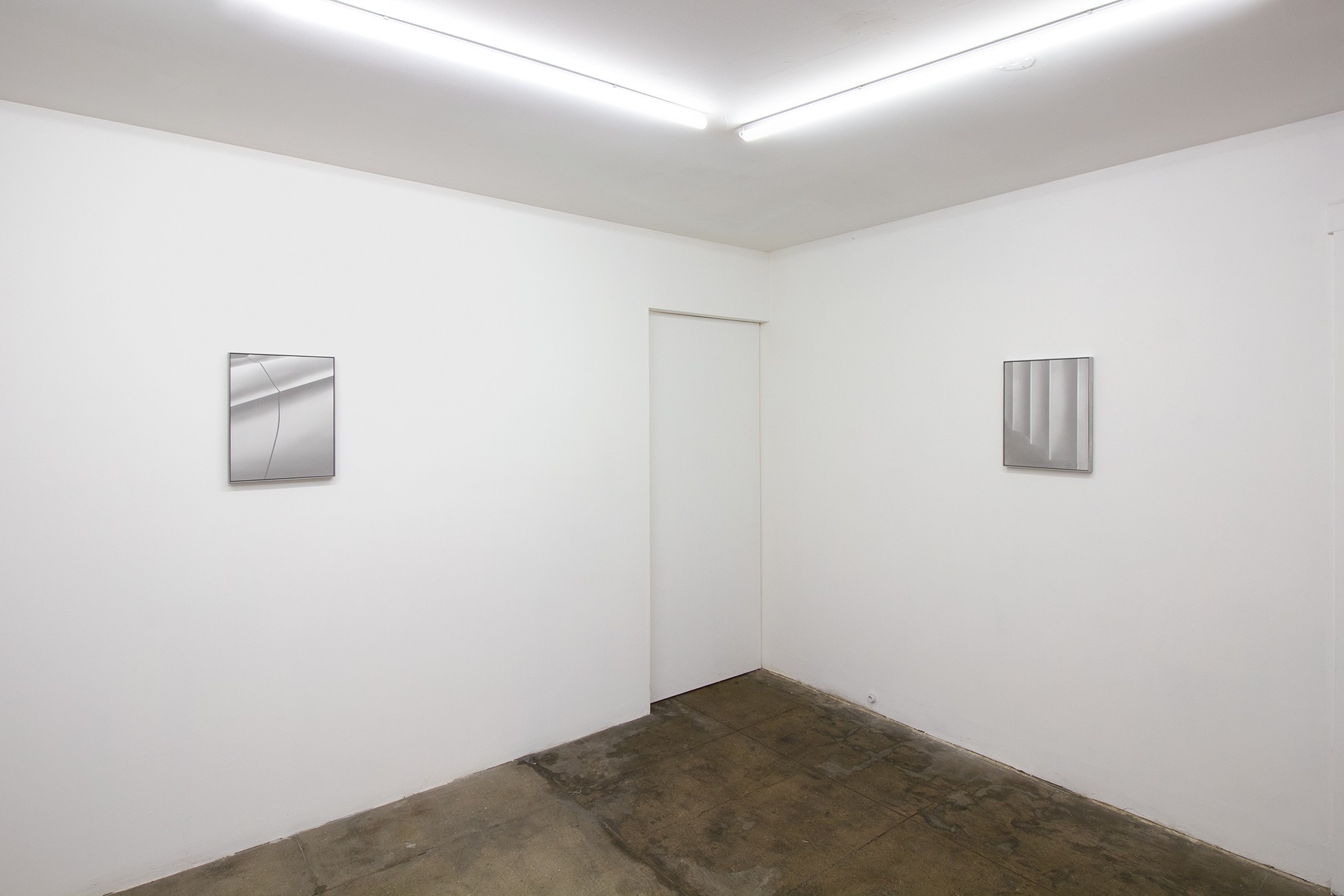
Contrasting sharply with this luminosity are Farrand’s architectural-inspired works. These creations, evoking monochrome photographs, are studies in the subtleties of shadow and structure. Here, the canvas becomes a playground of divided spaces, where shadows weave tales of hidden depths and unseen angles. The ‘felled forms’ themselves, with their shadows and ripples, create intriguing divisions, each slice of the canvas offering a new perspective. This interplay between the contrasting elements of the series – the light and the shadow, the vibrant and the subdued – challenges the viewer’s perception, encouraging a deeper exploration into the narrative Farrand weaves with his art.
Through “Felled Forms,” Devin Farrand presents a dialogue of contrasts, where the simplicity of a line or the complexity of a shadow can hold monumental significance. This series not only showcases Farrand’s mastery over his medium but also invites us to appreciate the intricate dance between light and shadow, form and space, in the world around us. His artworks are more than visual experiences; they are silent stories of intuitive steadfastness, commanding beauty in their simplicity and depth.
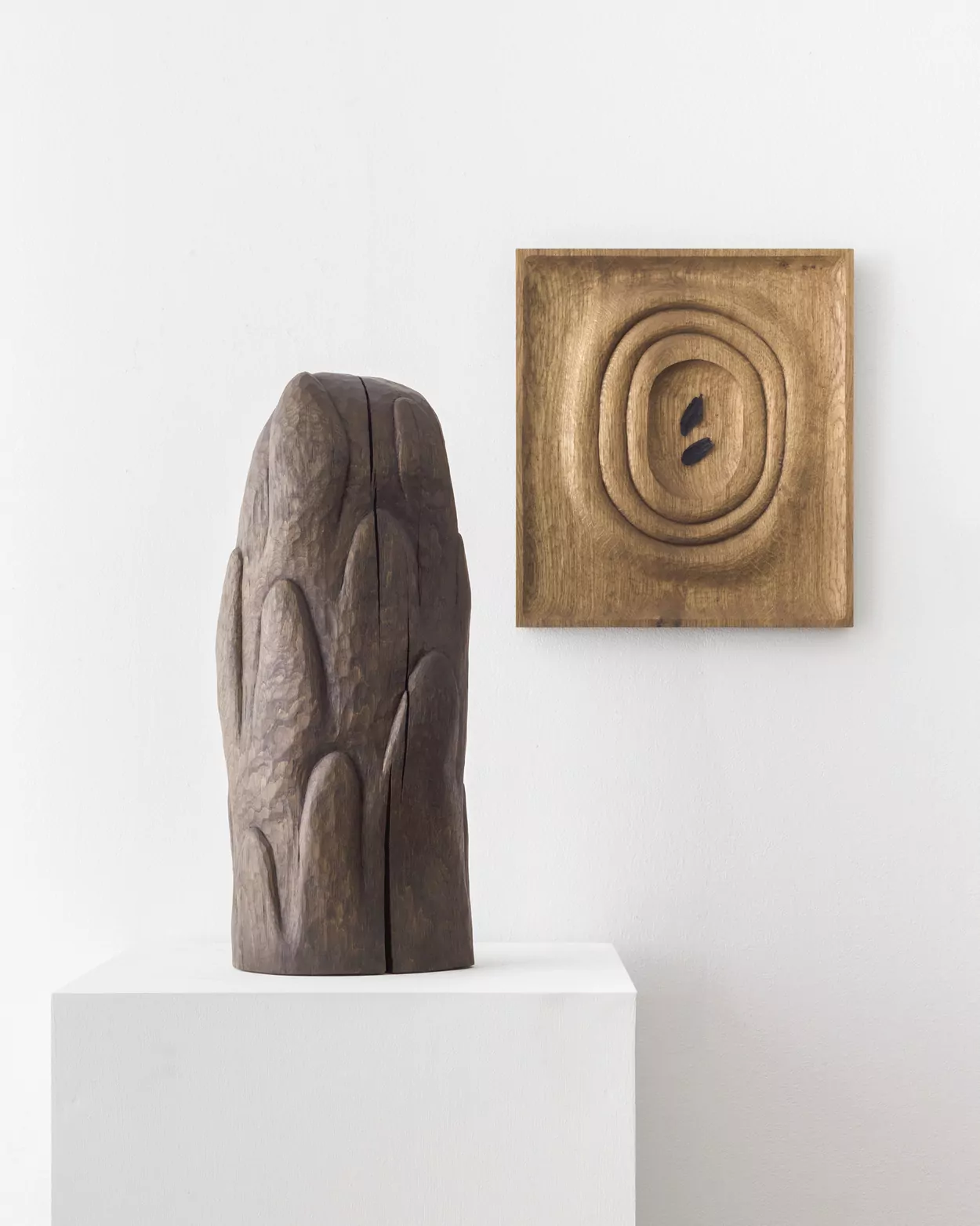
Baptiste Lanne’s work embodies a profound dialogue between the artisan and nature, a relationship that unfolds through the tactile and the transformative properties of wood. His creations—ranging from intricate sculptures to ambient lamps—reflect a unique blend of personal experiences and a deep reverence for the natural world. Growing up in Normandy, surrounded by a forest his grandparents planted, Lanne developed an intimate connection with trees, perceiving them not merely as material but as living entities with stories to tell. This foundational experience informs his approach to his art, where each piece is not just crafted but is a narrative woven from the life of the wood itself. Moving to Biarritz to establish his studio marked a return to his roots, enabling Lanne to channel his childhood’s explorative freedom into a mature, artistic expression that seeks to bring the essence of nature into the domestic sphere.
Lanne’s self-taught journey into woodworking is a testament to his commitment to authenticity and personal expression. Each piece he creates is a product of meticulous hand-carving, a slow process that embraces the inherent qualities of wood, from its texture to its colour. His travels, particularly to Japan, expanded his perspective on craftsmanship, instilling in him a philosophy that values the deliberate pace of creation over the rush of mass production. This philosophy of slowness is evident in the textured surfaces of his work, where every gouge mark is a reminder of the human hand’s role in transforming raw material into art. Despite achieving efficiency over time, Lanne maintains a deliberate pace in his work, allowing the material and the moment to guide his creative process. This approach ensures that each piece, while perhaps sharing a silhouette with others, remains distinct—a singular embodiment of wood’s natural diversity.
Lanne’s artistic motivations are deeply intertwined with his personal history and his ongoing exploration of nature’s forms and mysteries. His sculptures and lamps serve as vessels for the natural treasures he collects, each creation a small altar to the beauty of the natural world. Through his work, Lanne invites us to reconsider our relationship with the objects that populate our lives, proposing a model of interaction that is sustainable, conscious, and imbued with care. His choice of wood, influenced by the living forest that grew up alongside him, speaks to a broader vision where art and environmental stewardship converge. In Lanne’s hands, wood becomes a medium for storytelling, each piece a bridge between the wildness of nature and the crafted spaces of human habitation, reminding us of the dawning light over the sea, and the poetry that materialises when we allow the natural world to inform our creative endeavours.
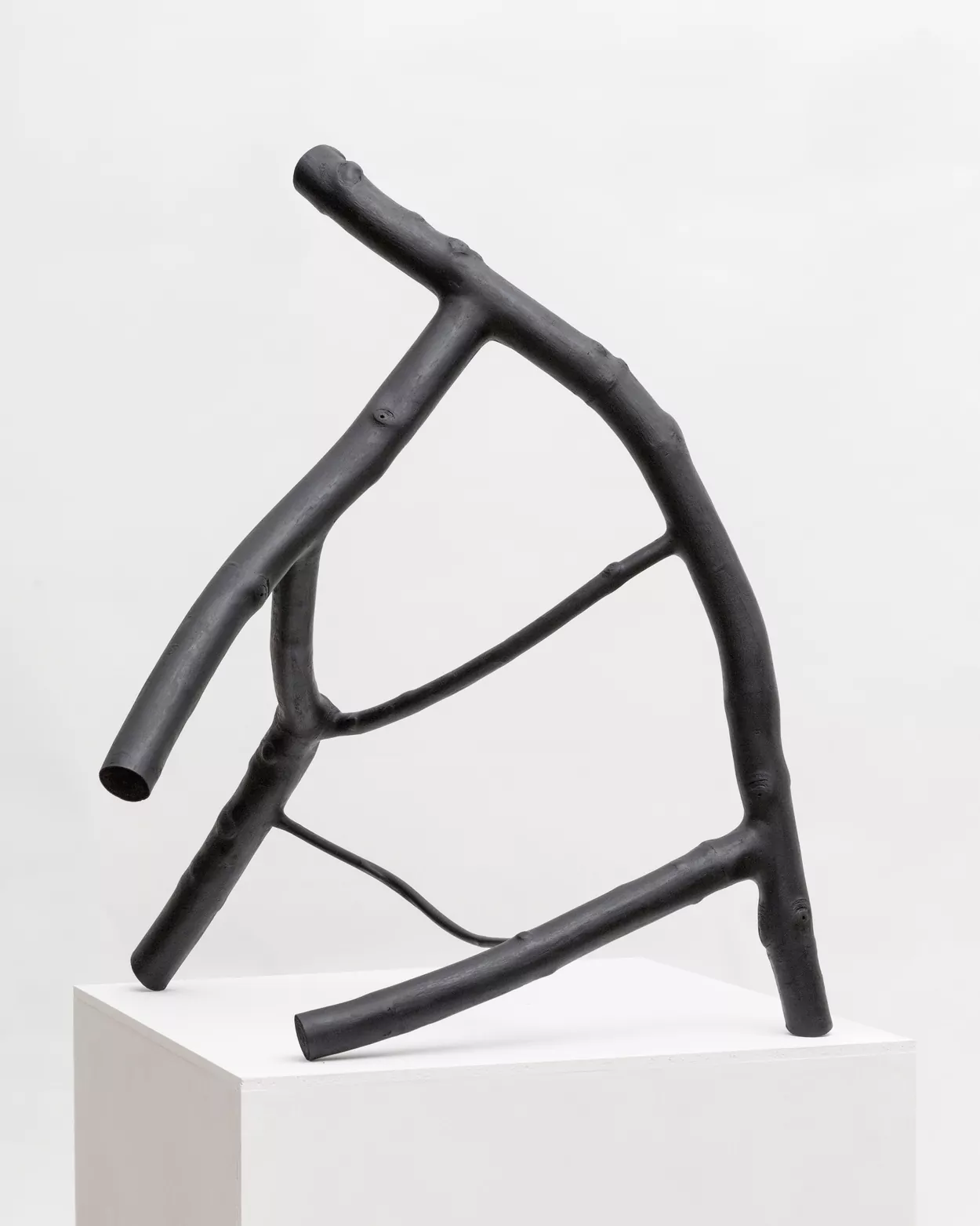
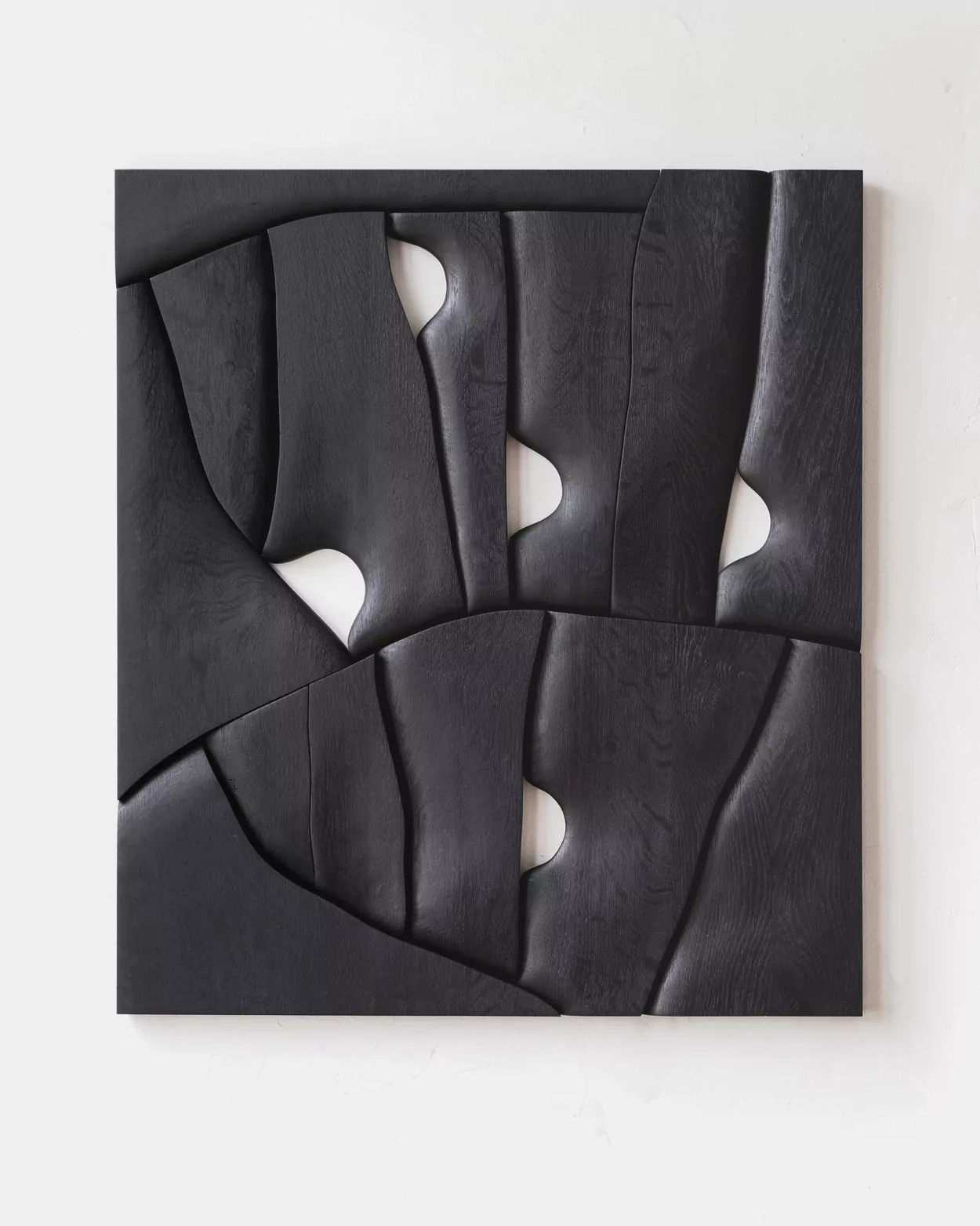
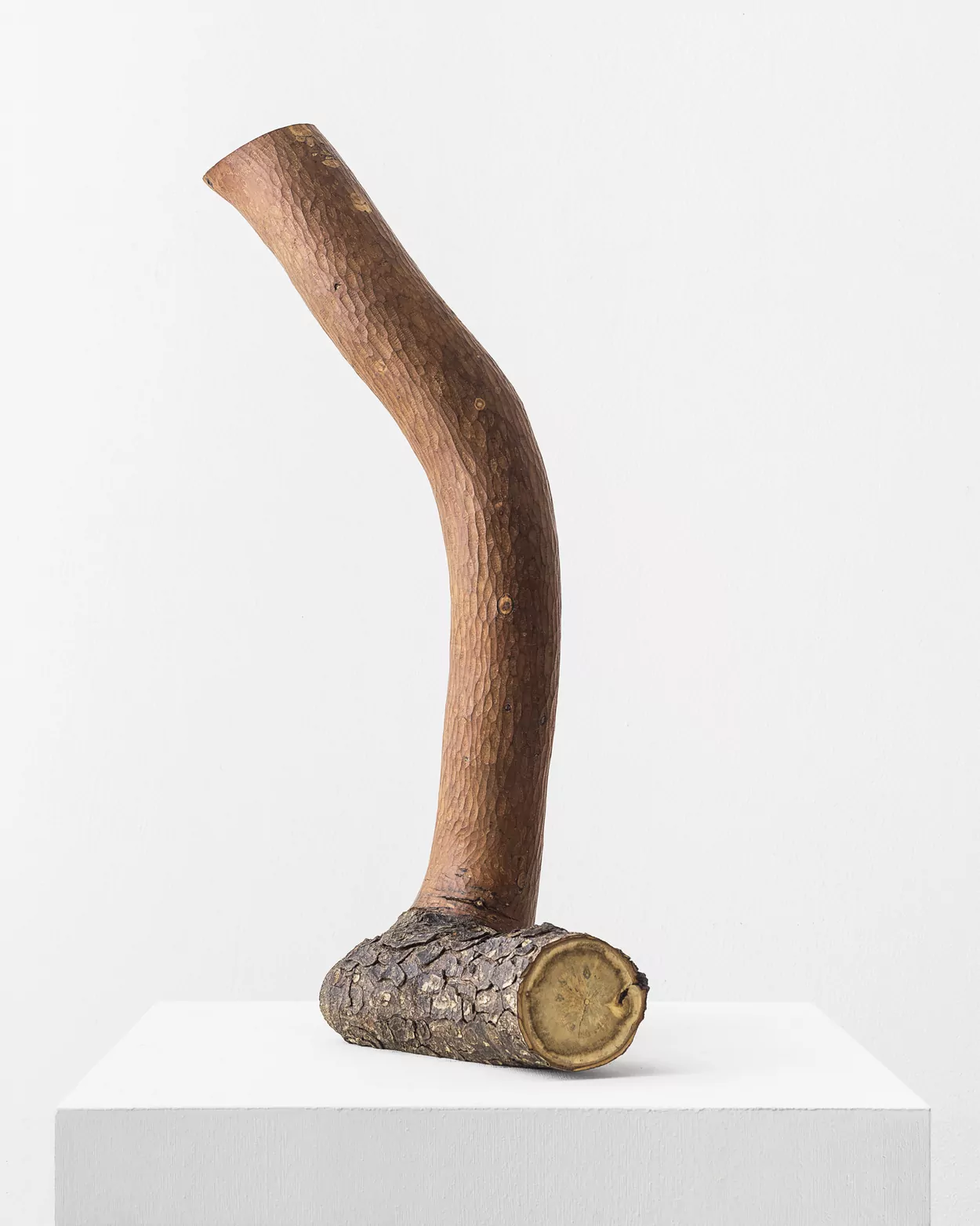
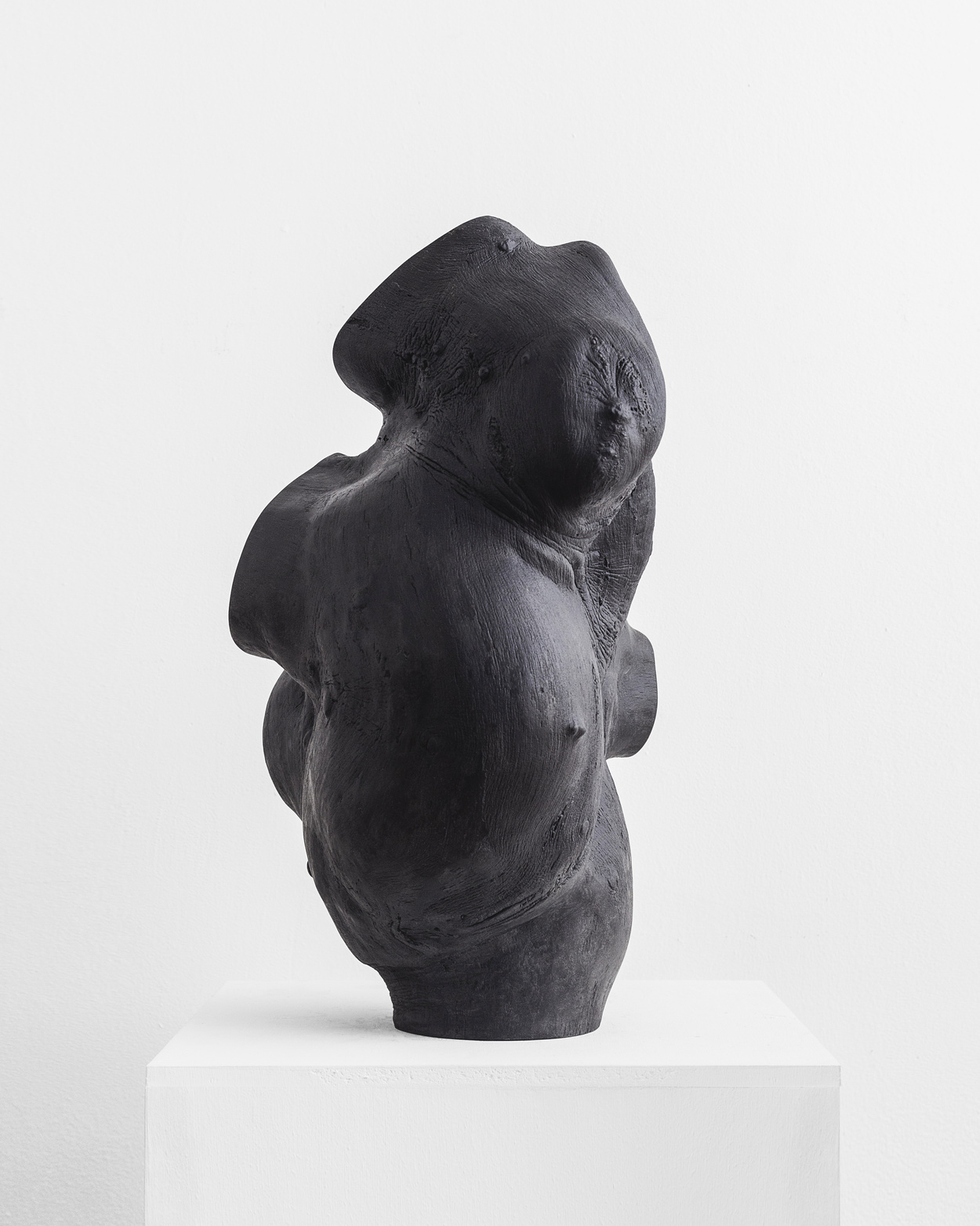
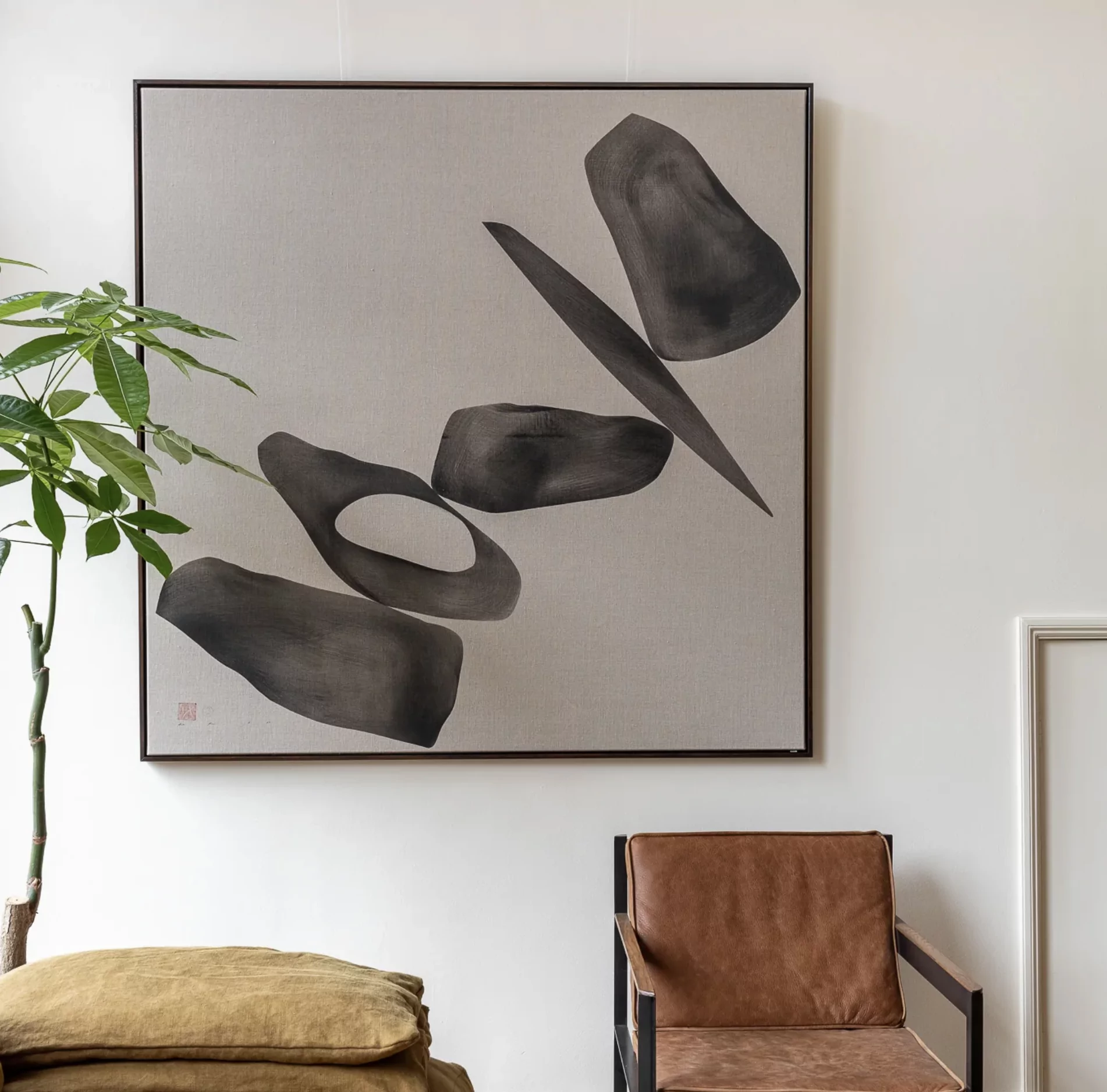
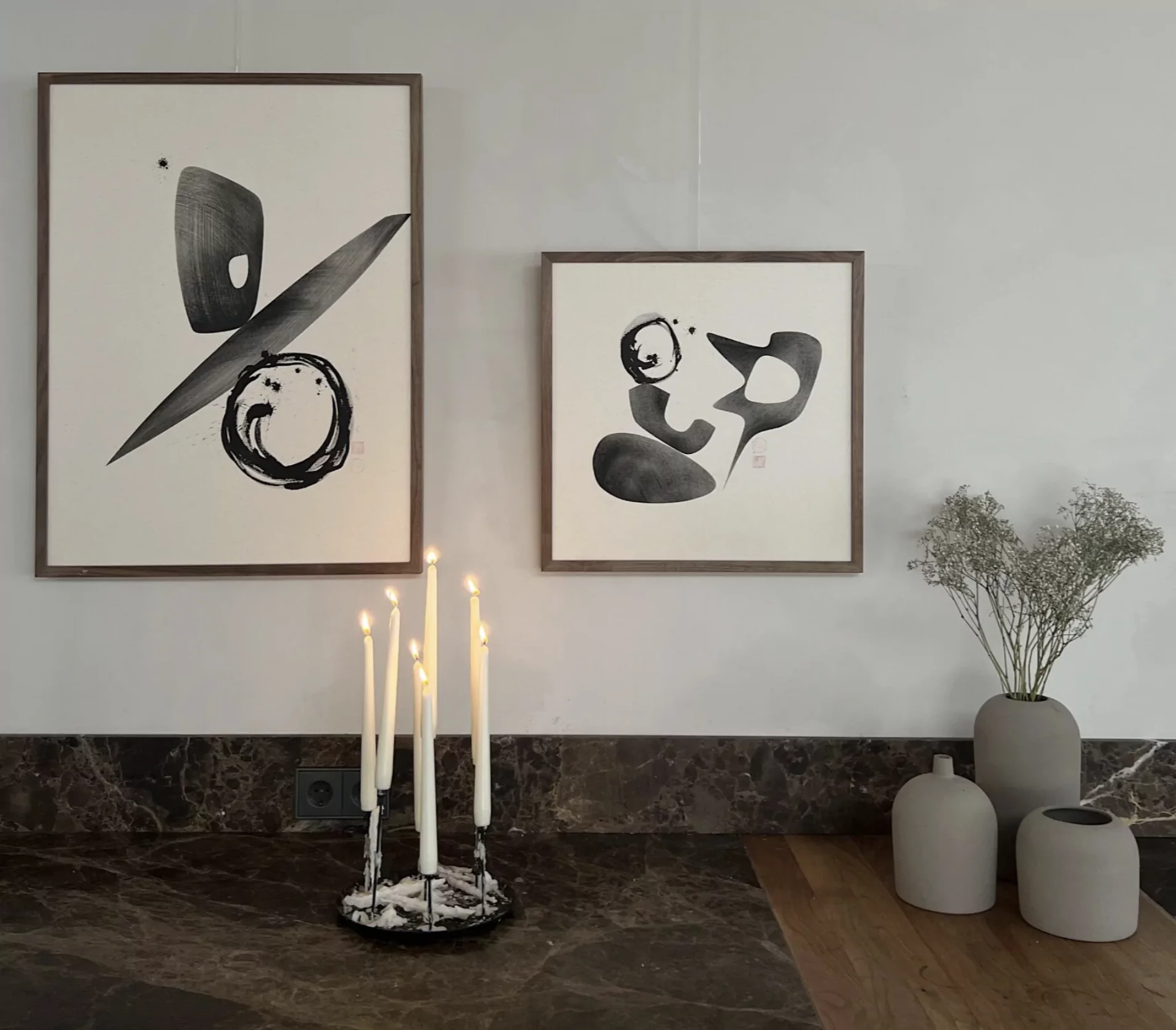
In the heart of Amsterdam, Tessa de Rijk stands out as a pioneering Dutch artist known for her unique approach to abstract art. Operating from her creative hub, Atelier de Rijk, she meticulously experiments with different textures, pigments, and techniques, crafting each piece by hand. Her distinctive use of handcrafted wooden frames adds depth and dimension to her canvases, beautifully contrasting with the fluidity of her paints to create dynamic visual tension.
Tessa’s artworks are deeply influenced by the urban environment of Amsterdam, with its architecture, light, and atmosphere shaping her abstract forms and colors. Her recent Totem collection showcases her innovative use of natural pigments and homemade brushes, offering a vivid exploration of texture and reaction on varied canvases. Each artwork invites personal interpretation, reflecting her personal experiences and the city’s influence.
Tessa de Rijk’s commitment to craftsmanship is evident in every aspect of her work, from the creation of pigments to the construction of frames. By making each piece available for ‘adoption,’ she invites art lovers to integrate her artistic explorations into their own spaces, ensuring that each artwork not only decorates but also resonates with individual experiences and narratives. Her creations are not just viewed but are meant to be experienced, embodying the spirit of experimental and expressive art.
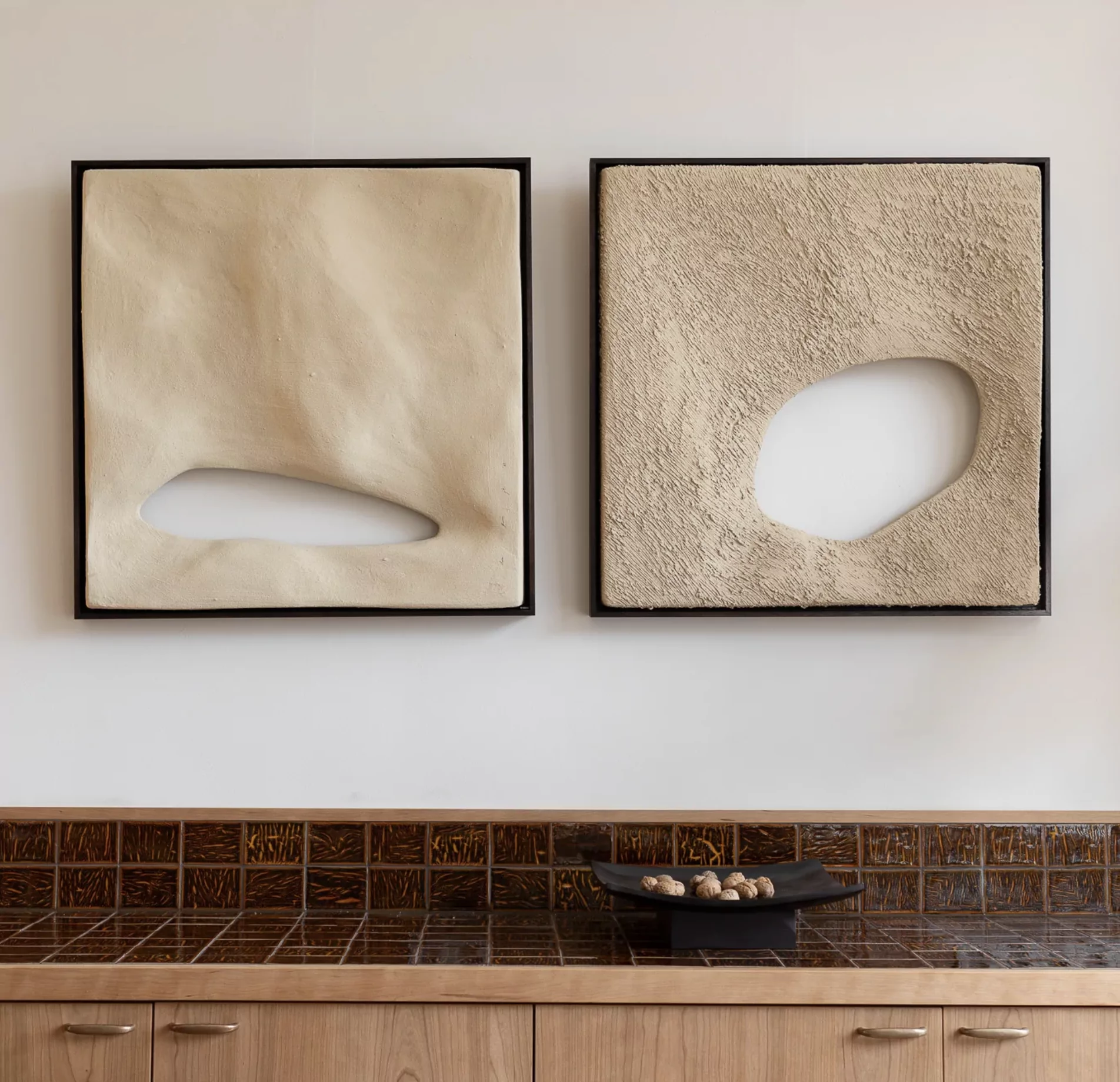
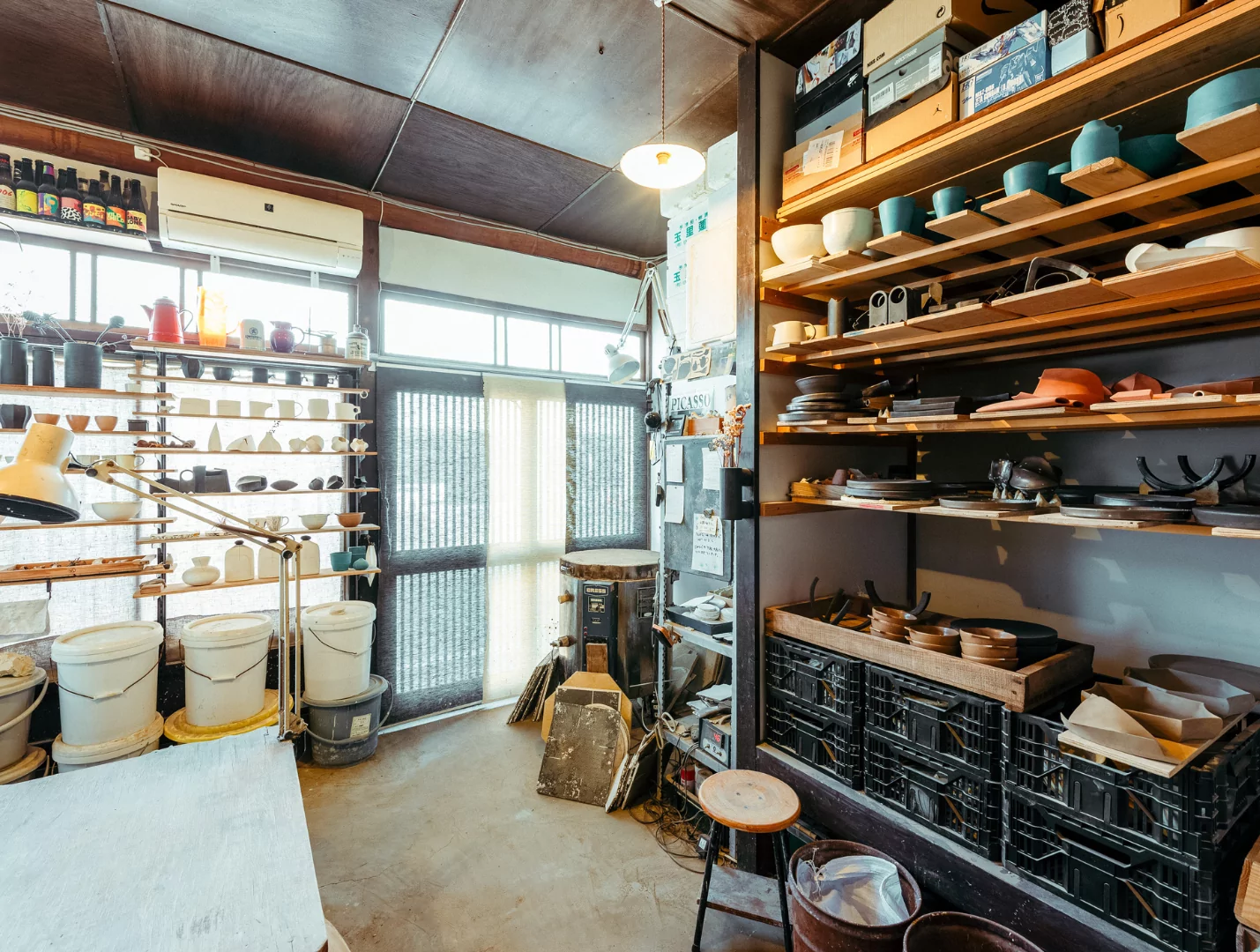
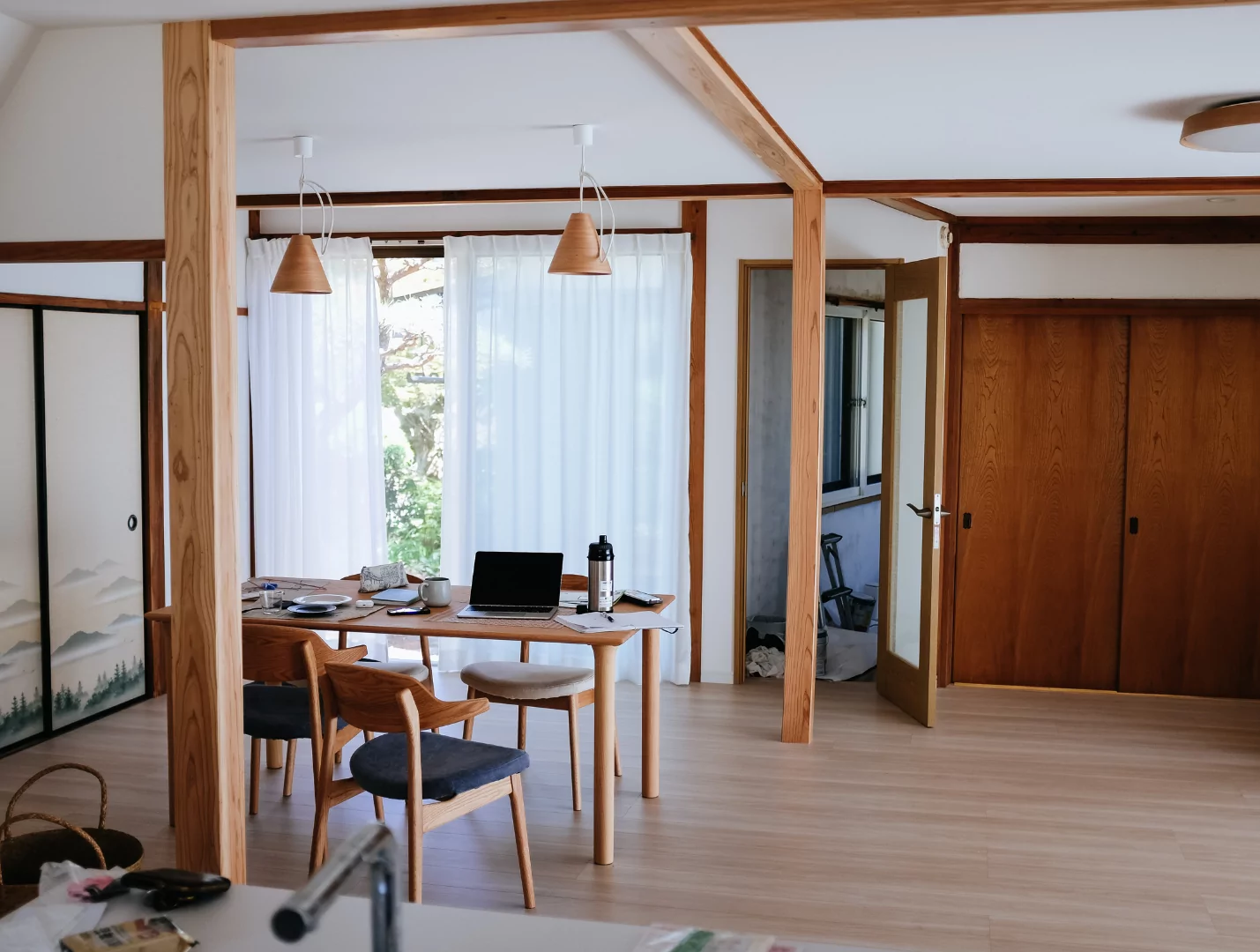
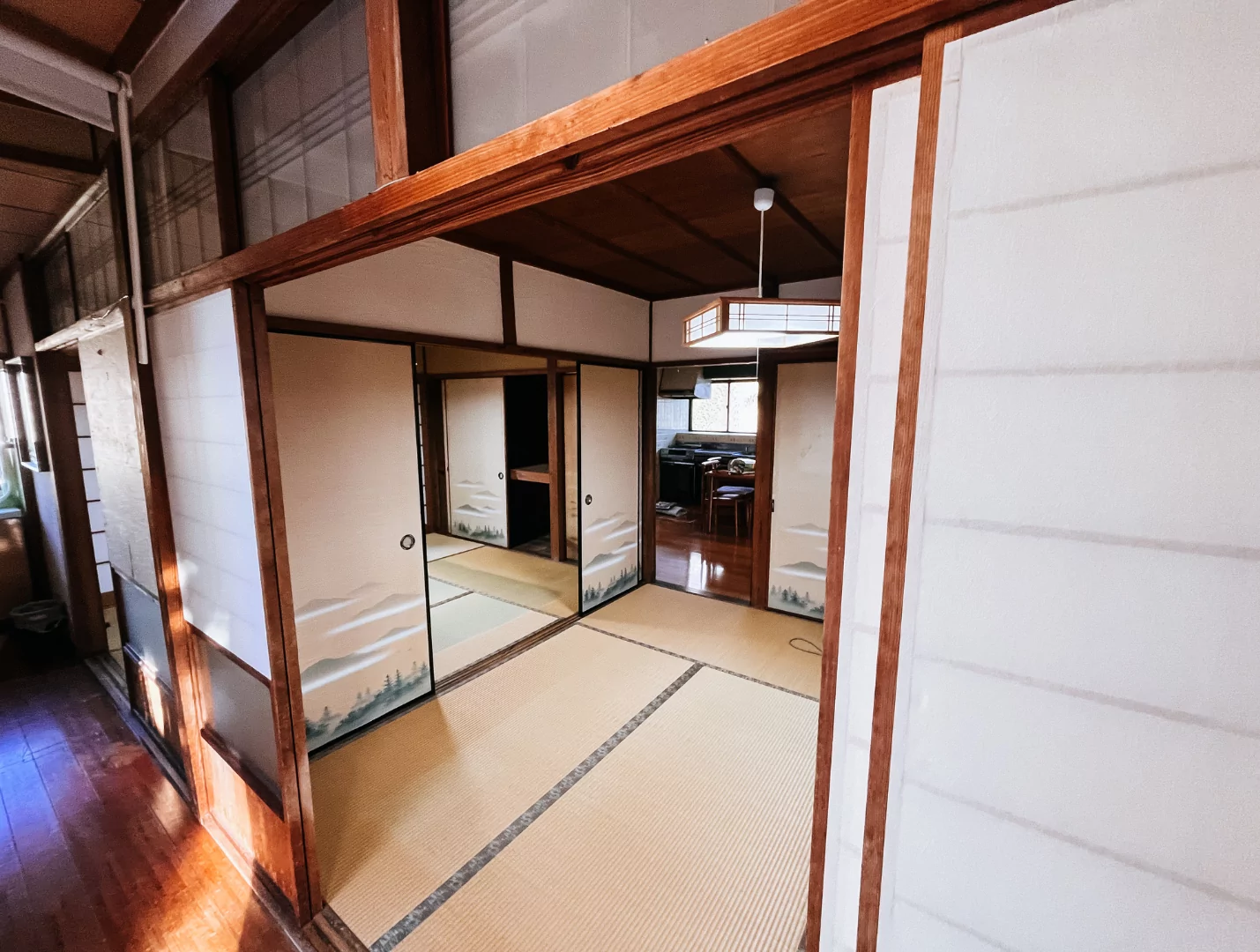
In the tranquil embrace of Japan’s countryside, I embarked on a labor of love: rejuvenating an 80-year-old Japanese dwelling and laying the foundation for my own ceramic studio. Living this dream has been an immersive experience, allowing me to delve into the essence of a Japanese home, explore the ‘wa’ aesthetic, and appreciate the unique intricacies of the architecture. OEN Issue 3 is a testament to this transformative journey, capturing the nuances of minimalism, Zen philosophy, and the intimate relationship between an artist and their craft. As OEN continues to evolve, so does our narrative, always striving for harmony, simplicity, and authenticity.
This issue delves deeper into Japan’s traditions and the ever-changing seasons, alongside reflections on design and its impact on our daily lives. Here are some highlights from within the pages of OEN Issue 3:
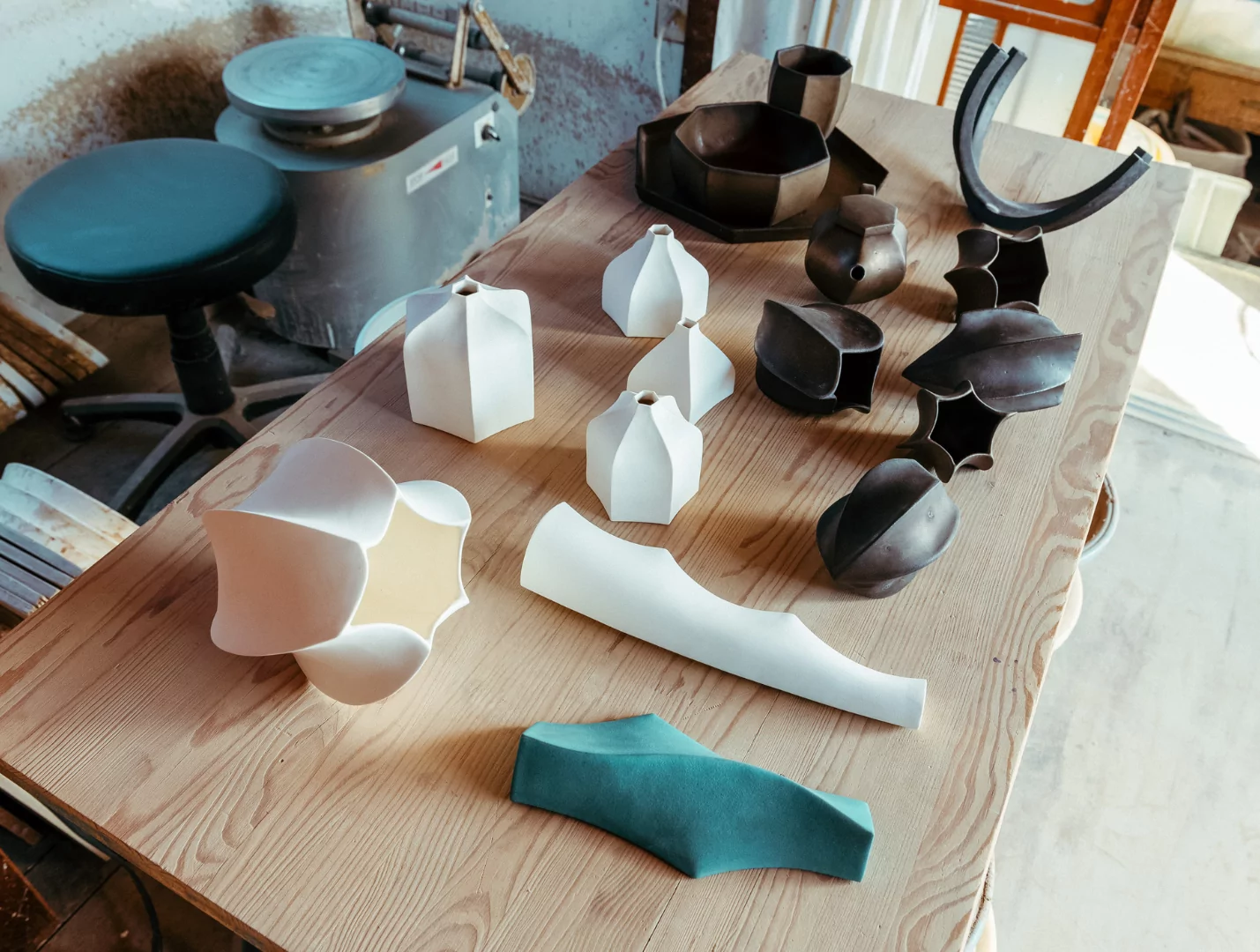
KEIICHI TANAKA: The Silent Dialogue of Clay For Japanese artisan Keiichi Tanaka, the creative process is a dialogue between artist and medium, articulated in the language of clay. Over the past decade, we have witnessed the evolution of his art, where subtle tones and textures reveal themselves in moments of quiet observation.
COPENHAGEN: Home of Good Design Copenhagen’s cobblestone streets and skyline silhouette are more than picturesque; they epitomize a design legacy integral to Danish culture. This city celebrates a heritage where form follows function, championing timeless design across generations.


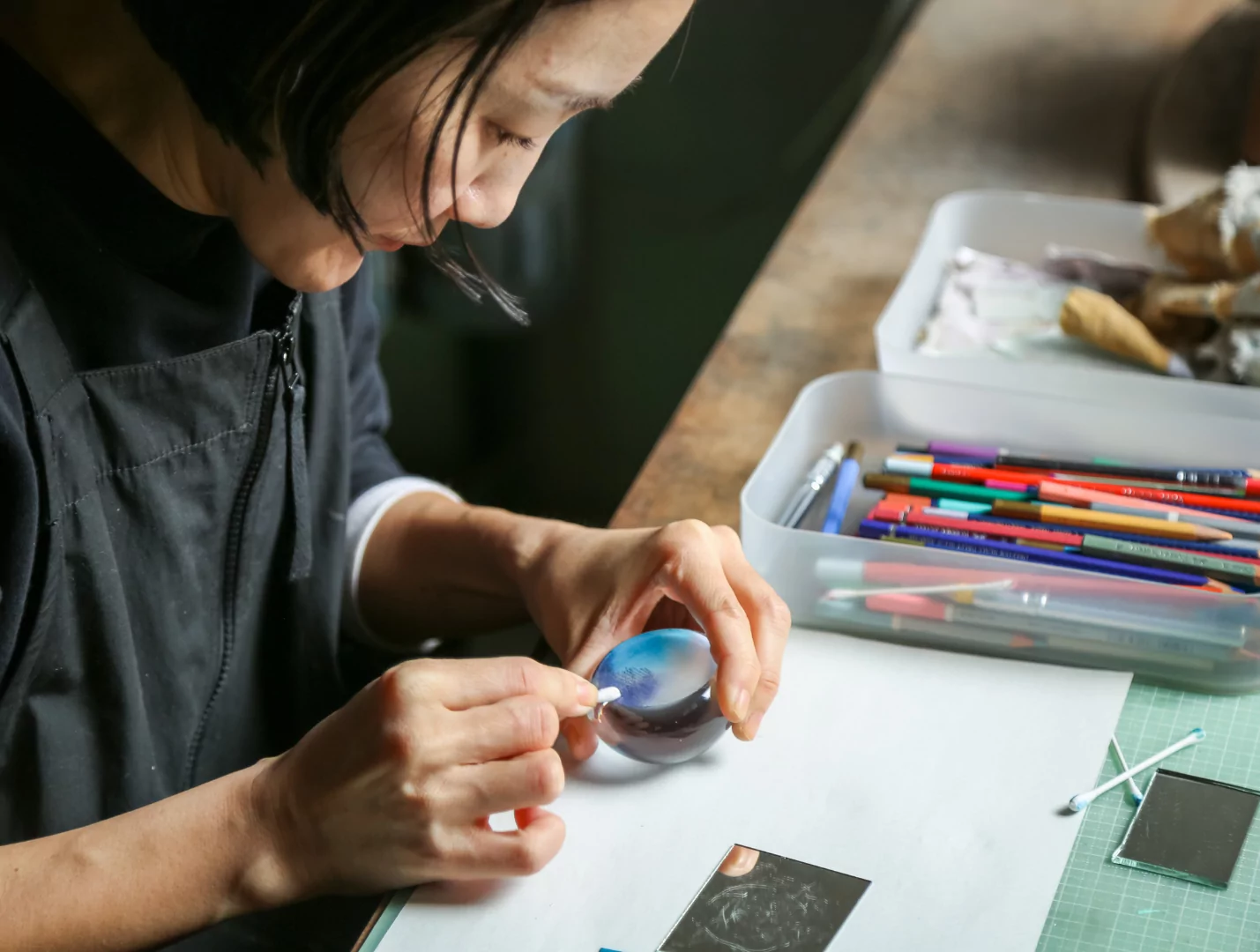
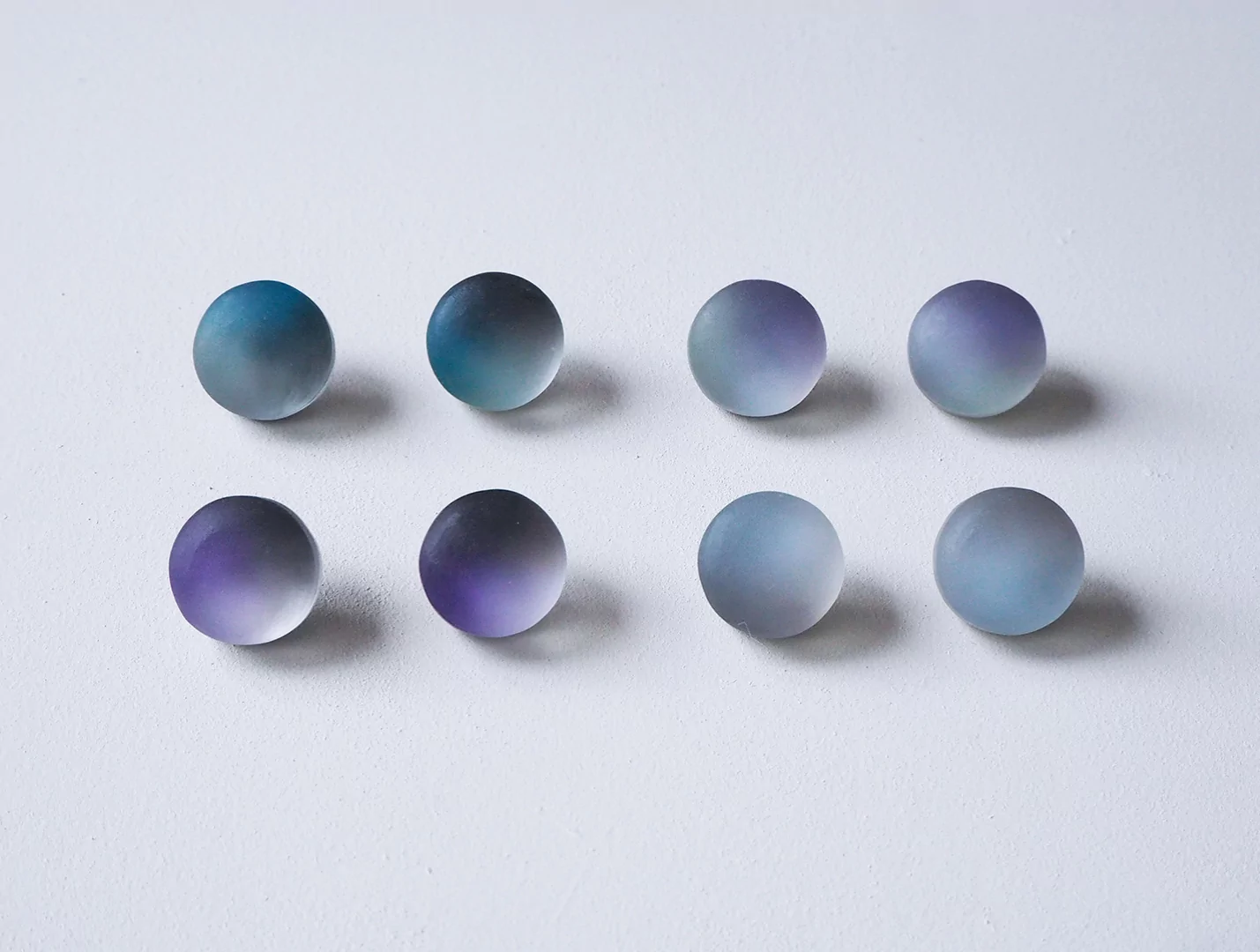
MATSURICA: A Visit to Rie Furukawa’s Glass Studio The serene blues and tranquil expanses of the Seto Inland Sea inspire Rie Furukawa, infusing her glasswork with peaceful contemplation. This beauty resonates with the nearby art island of Naoshima, where Tadao Ando’s designs harmonize architecture and nature.
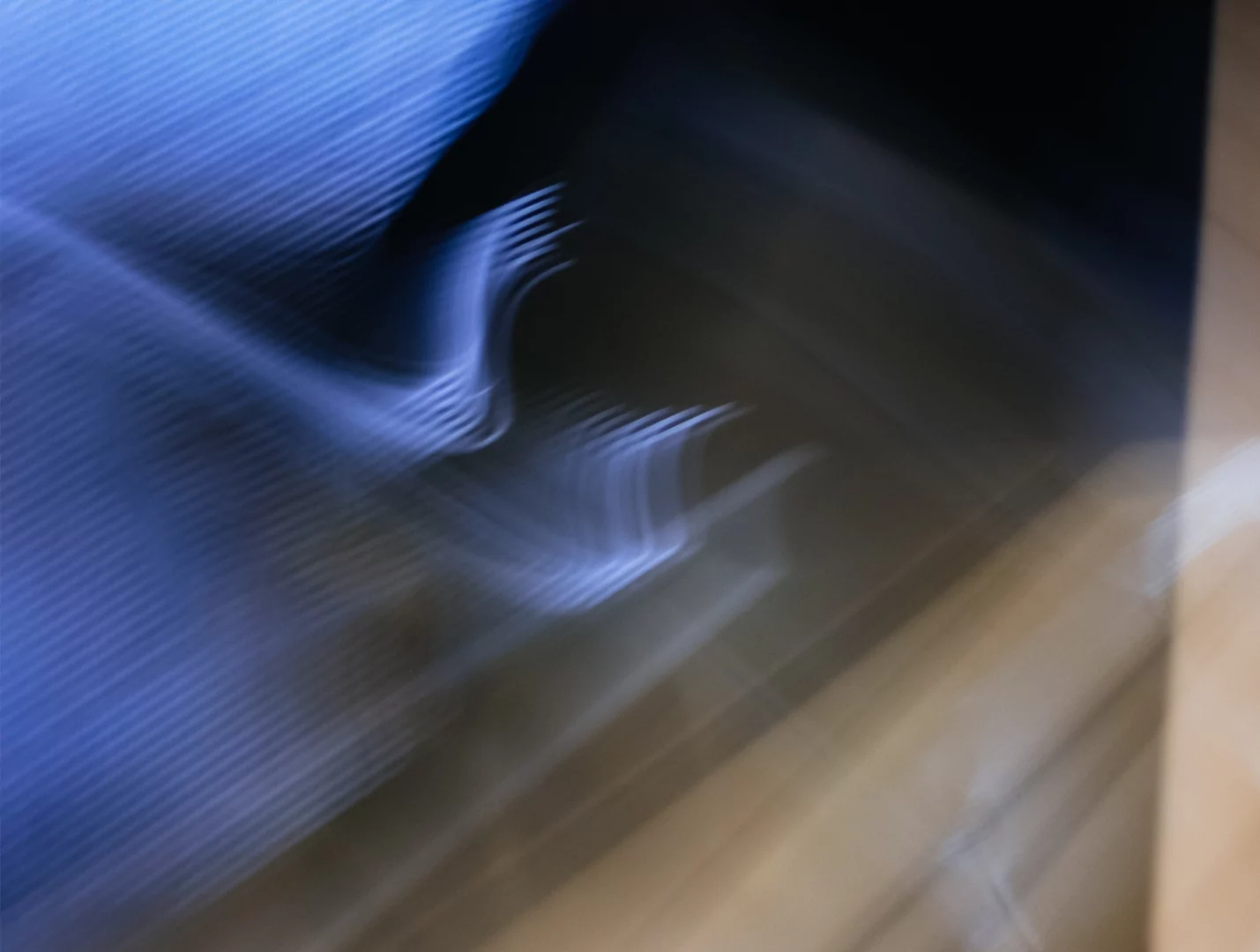
BRUTAL BEAUTY: London, UK Brutalist architecture, often described as oppressive and monstrous, divides opinion. For those familiar with London’s rhythms, these designs stand as prominent landmarks within the urban tapestry, challenging perceptions and evoking strong reactions.


NOISELESS: A Concept for Mindful Living “NOISELESS” encapsulates a 13-year journey of discovery and reflection at OEN, influenced by visionaries like Jasper Morrison, John Pawson, Naoto Fukasawa, and Kenya Hara. This concept explores the potential of design to foster mindfulness and serenity.

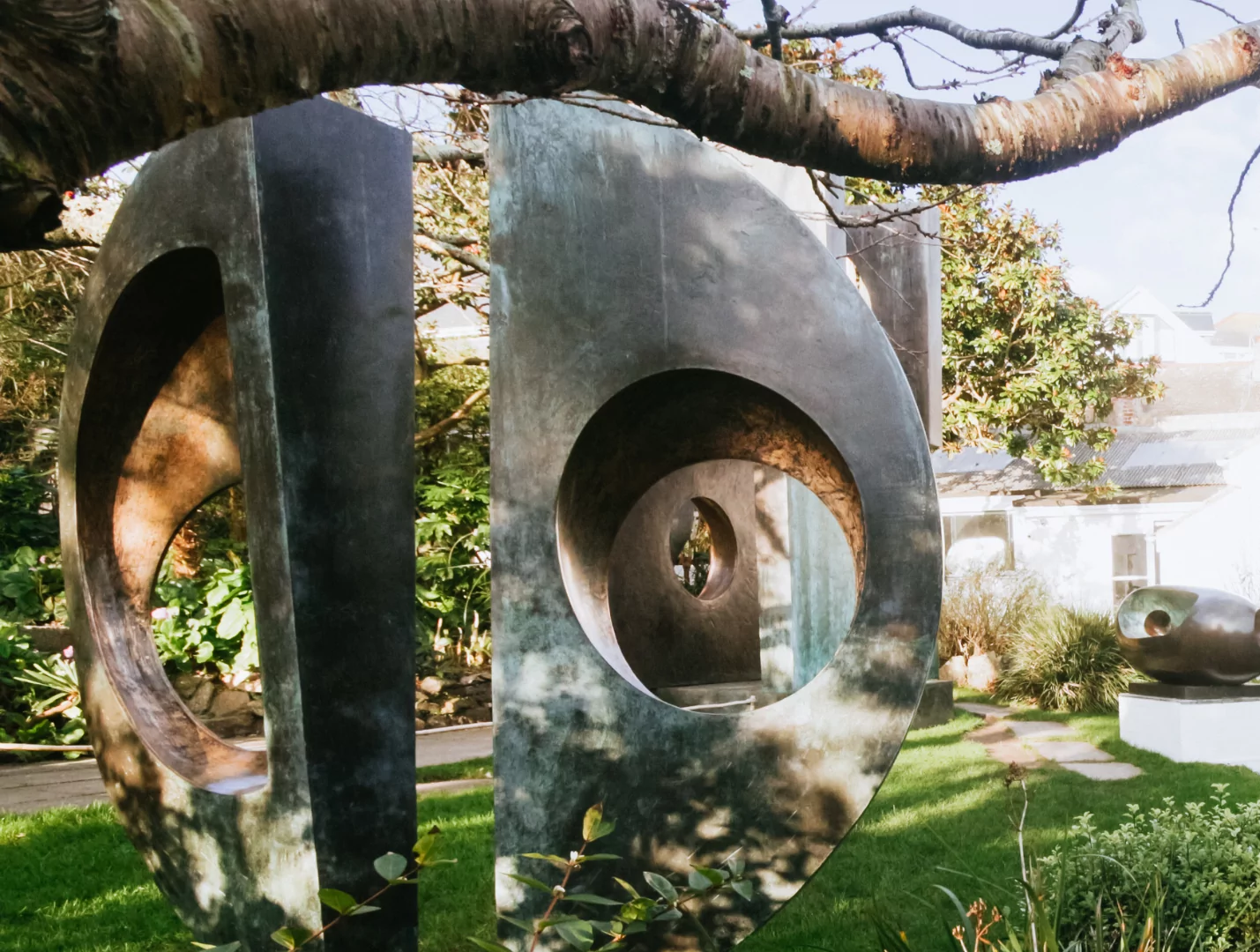
BARBARA HEPWORTH: St Ives, England Barbara Hepworth’s journey as a female artist navigating adversity is inspiring. A visit to the Barbara Hepworth Museum and Sculpture Garden in St. Ives offers insight into her physical artworks and the strength and innovation of her spirit.

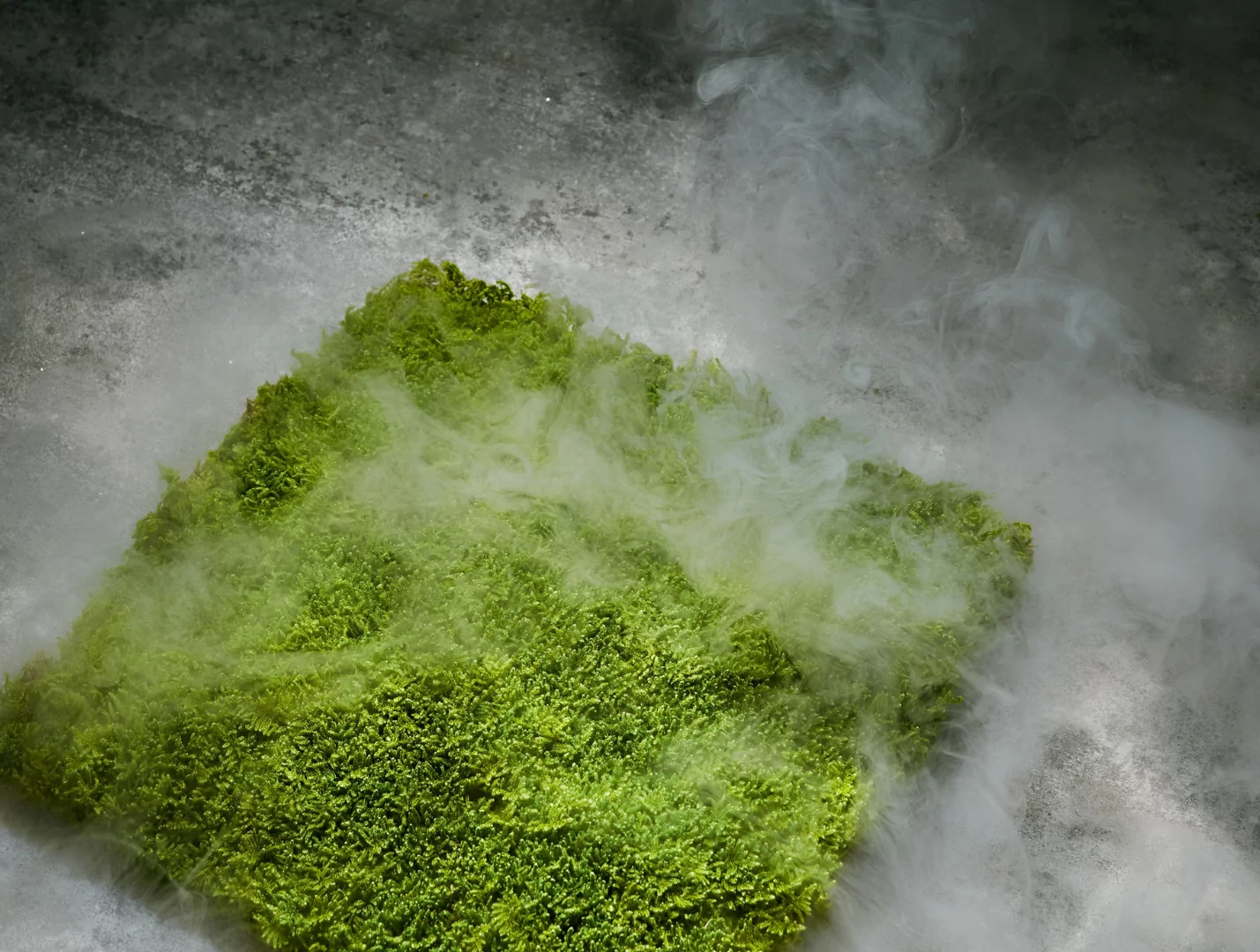
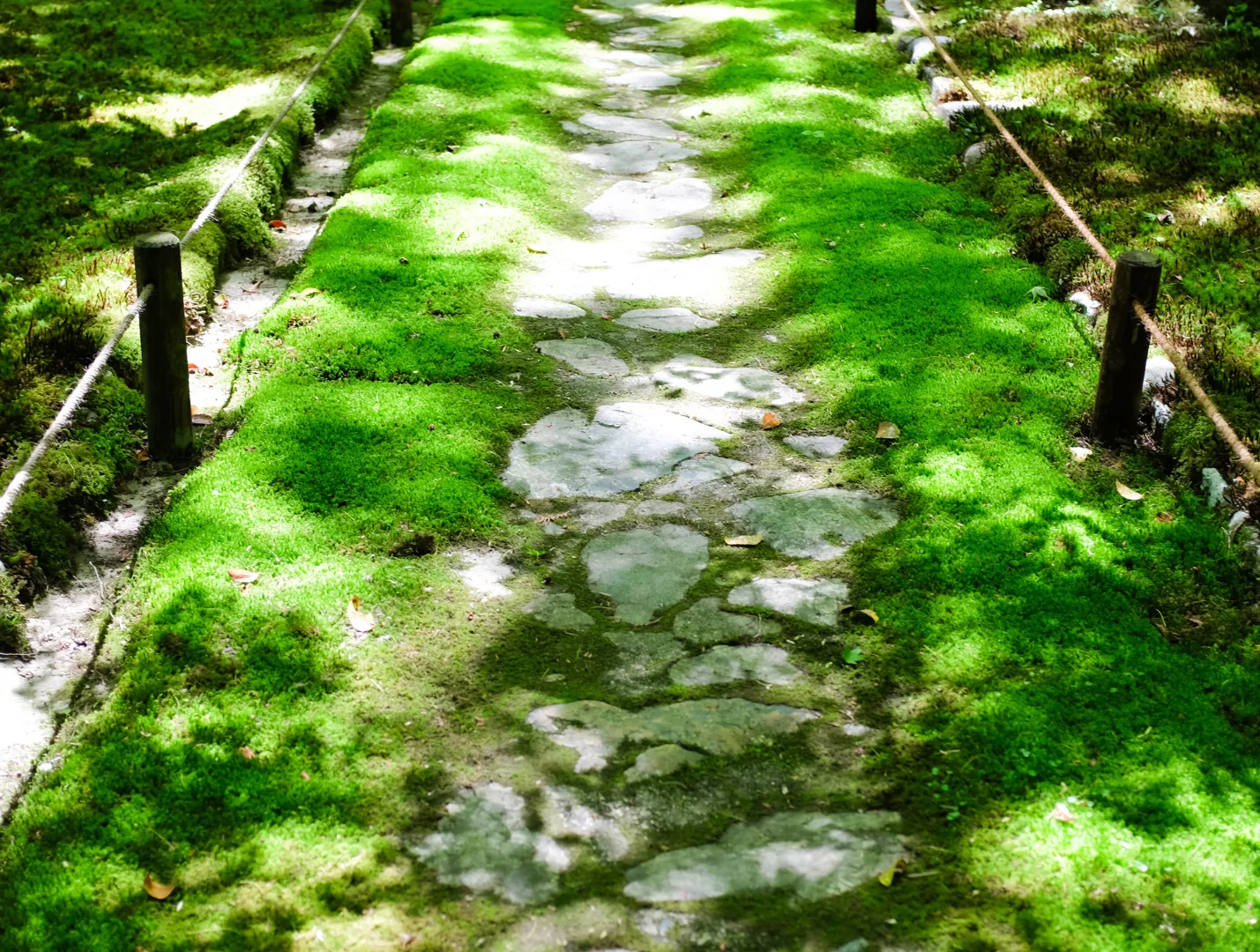
FUJIGOKE: The Enduring Beauty of Moss Moss, celebrated in Japanese gardens and often scorned in lawns, embodies a distinct contrast within gardening aesthetics. This cultural lens fascinates me, highlighting the varying perceptions of beauty and value.
TEMPO: The Art of Play Bruno Munari’s “Useless Machines,” delicate mobiles from simple materials, critique functionalism and blend art with science. They encourage reflection, manifest beauty, and captivate the imagination, showcasing art’s impact beyond conventional purposes.


MAKING HOME: Transforming a Japanese House Exploring the question of “What is a home?” invites an intimate examination of space, meaning, and sanctuary. Alvar Aalto’s vision of architecture creating an earthly paradise suggests that homes can transcend shelter to nurture the soul.
Embracing Tranquility: The New Release of OEN Issue 3
Since the vibrant days of OEN Issue 2, a transformative chapter has unfolded for us. We’ve bid farewell to the bustling charm of Cambridge, UK, and embraced the serene, poetic quietude of the Japanese countryside. This relocation marks a significant moment in OEN’s narrative, reminding us of the wisdom in Steve Jobs’ words: “You can’t connect the dots looking forward; you can only connect them looking backwards.” What appeared to be a sudden shift was, in reality, a gradual transition, rooted in a profound desire to embrace a culture and philosophy that has always resonated with our ethos.
In the tranquil embrace of Japan’s countryside, I embarked on a labor of love: rejuvenating an 80-year-old Japanese dwelling and laying the foundation for my own ceramic studio. Living this dream has been an immersive experience, allowing me to delve into the essence of a Japanese home, explore the ‘wa’ aesthetic, and appreciate the unique intricacies of the architecture. OEN Issue 3 is a testament to this transformative journey, capturing the nuances of minimalism, Zen philosophy, and the intimate relationship between an artist and their craft. As OEN continues to evolve, so does our narrative, always striving for harmony, simplicity, and authenticity.
This issue delves deeper into Japan’s traditions and the ever-changing seasons, alongside reflections on design and its impact on our daily lives. Here are some highlights from within the pages of OEN Issue 3:
KEIICHI TANAKA: The Silent Dialogue of Clay For Japanese artisan Keiichi Tanaka, the creative process is a dialogue between artist and medium, articulated in the language of clay. Over the past decade, we have witnessed the evolution of his art, where subtle tones and textures reveal themselves in moments of quiet observation.
COPENHAGEN: Home of Good Design Copenhagen’s cobblestone streets and skyline silhouette are more than picturesque; they epitomize a design legacy integral to Danish culture. This city celebrates a heritage where form follows function, championing timeless design across generations.
MATSURICA: A Visit to Rie Furukawa’s Glass Studio The serene blues and tranquil expanses of the Seto Inland Sea inspire Rie Furukawa, infusing her glasswork with peaceful contemplation. This beauty resonates with the nearby art island of Naoshima, where Tadao Ando’s designs harmonize architecture and nature.
BRUTAL BEAUTY: London, UK Brutalist architecture, often described as oppressive and monstrous, divides opinion. For those familiar with London’s rhythms, these designs stand as prominent landmarks within the urban tapestry, challenging perceptions and evoking strong reactions.
NOISELESS: A Concept for Mindful Living “NOISELESS” encapsulates a 13-year journey of discovery and reflection at OEN, influenced by visionaries like Jasper Morrison, John Pawson, Naoto Fukasawa, and Kenya Hara. This concept explores the potential of design to foster mindfulness and serenity.
BARBARA HEPWORTH: St Ives, England Barbara Hepworth’s journey as a female artist navigating adversity is inspiring. A visit to the Barbara Hepworth Museum and Sculpture Garden in St. Ives offers insight into her physical artworks and the strength and innovation of her spirit.
FUJIGOKE: The Enduring Beauty of Moss Moss, celebrated in Japanese gardens and often scorned in lawns, embodies a distinct contrast within gardening aesthetics. This cultural lens fascinates me, highlighting the varying perceptions of beauty and value.
TEMPO: The Art of Play Bruno Munari’s “Useless Machines,” delicate mobiles from simple materials, critique functionalism and blend art with science. They encourage reflection, manifest beauty, and captivate the imagination, showcasing art’s impact beyond conventional purposes.
MAKING HOME: Transforming a Japanese House Exploring the question of “What is a home?” invites an intimate examination of space, meaning, and sanctuary. Alvar Aalto’s vision of architecture creating an earthly paradise suggests that homes can transcend shelter to nurture the soul.
For OEN Issue 3, our goal was to explore the very essence of creativity that drives our artists. In this edition, we sought to capture the beauty of life’s serene moments—those fleeting instances where light filters through the leaves and a gentle breeze ignites the imagination. It’s in these quiet pauses that the true nature of creativity reveals itself, showing that artistry is not just about the act of creation but also about finding harmony in stillness. This idea, which we’ve described in this issue as ‘noiseless,’ underscores our theme.
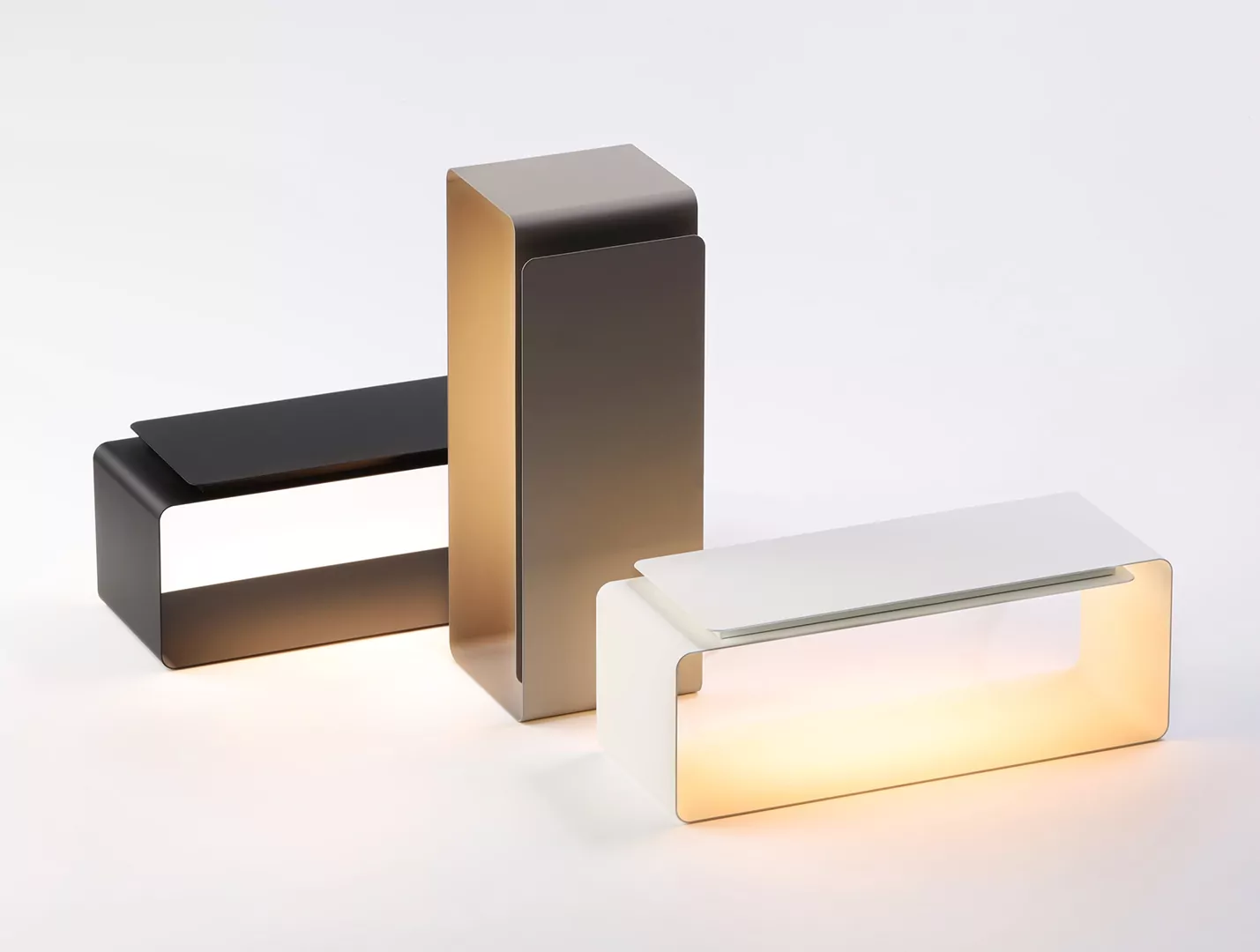
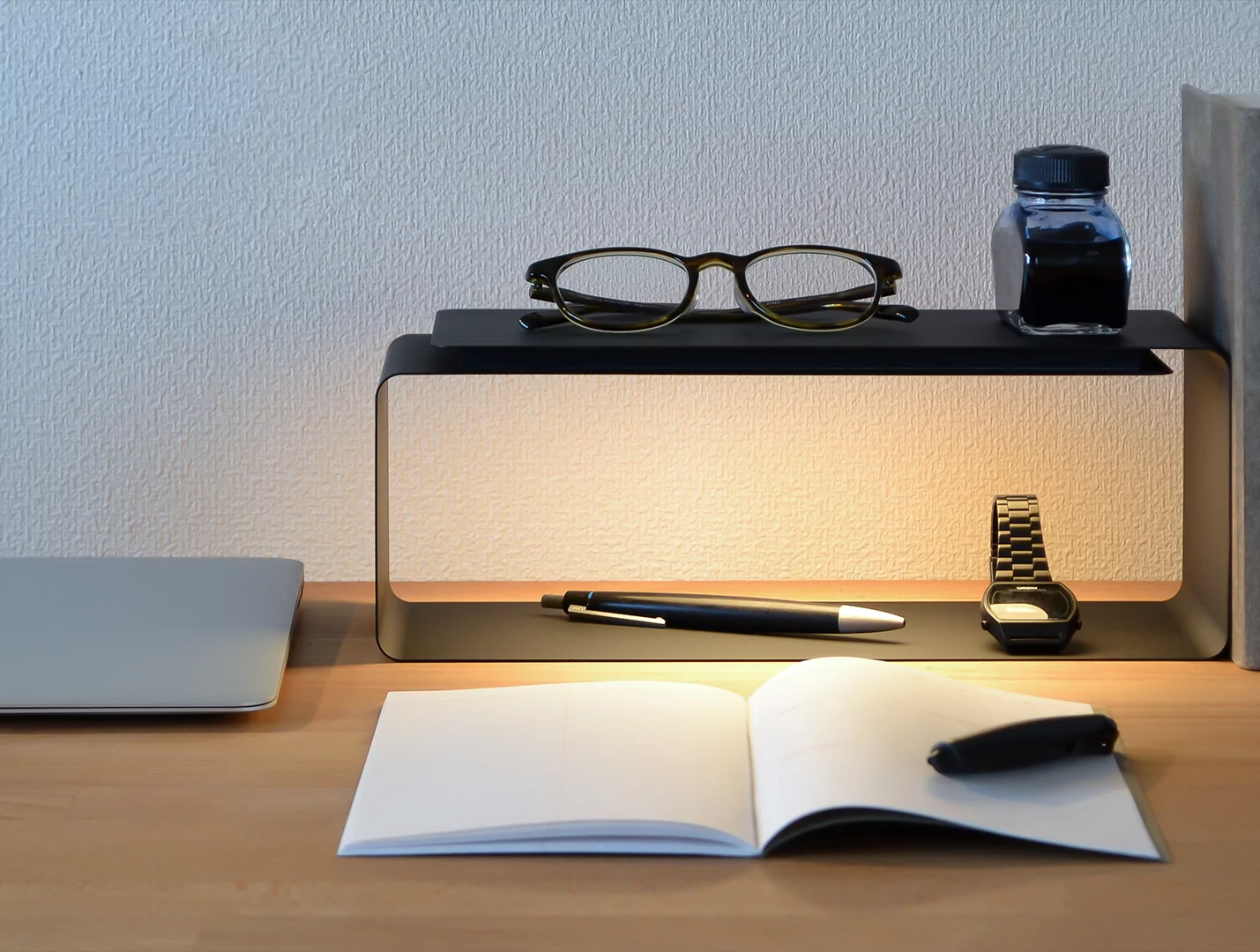
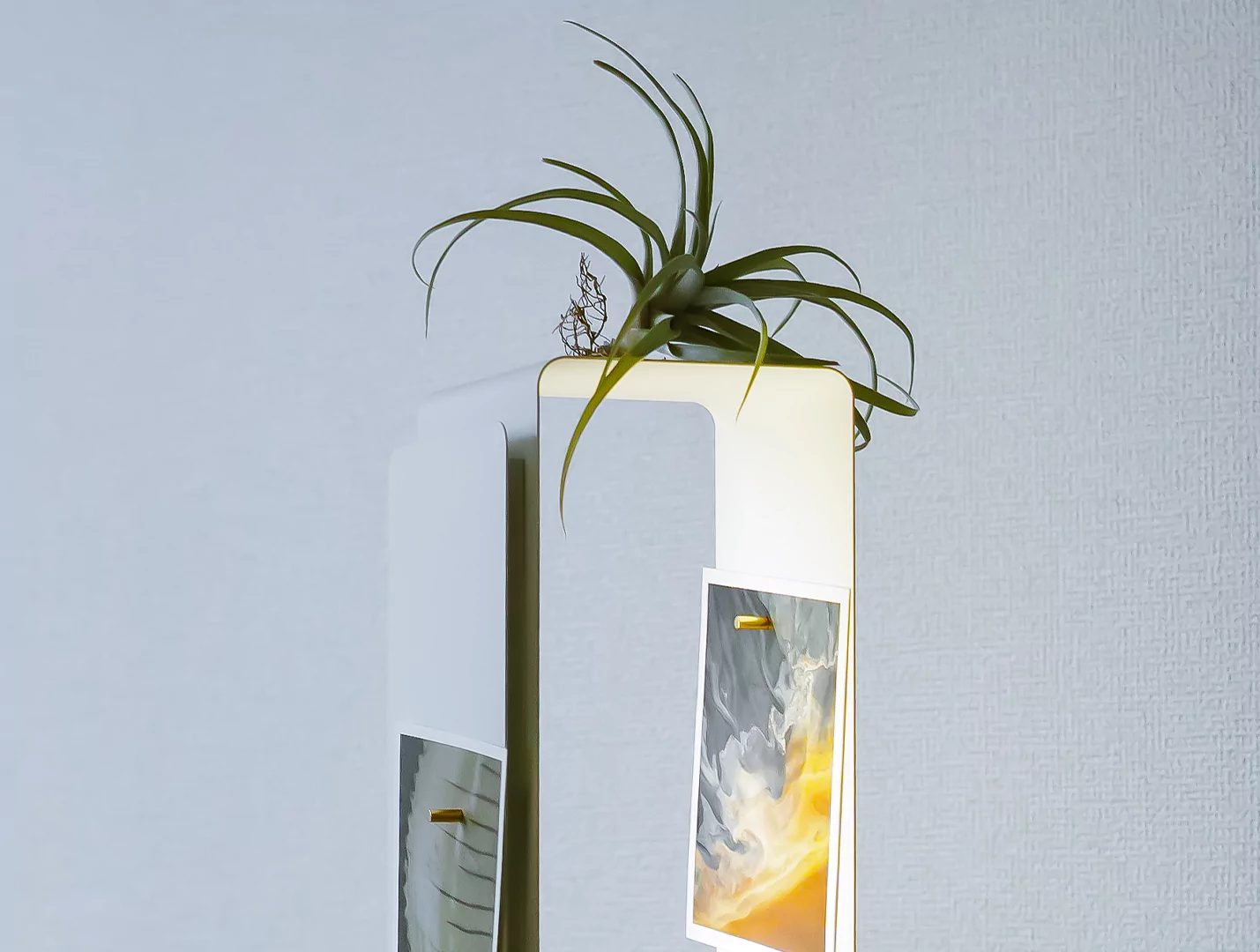
]]>With its minimalist design and seamless integration into any décor, the Light Shelf effortlessly elevates your space without overwhelming it. Its adjustable brightness and modern aesthetic make it an ideal choice for those seeking both beauty and practicality.


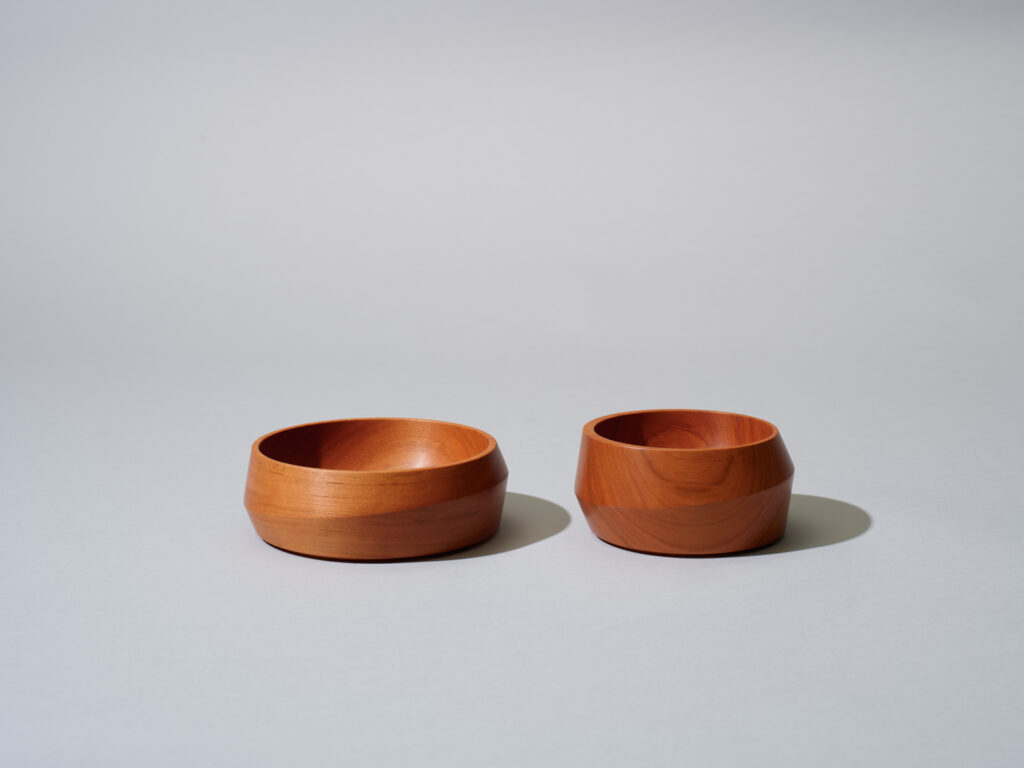
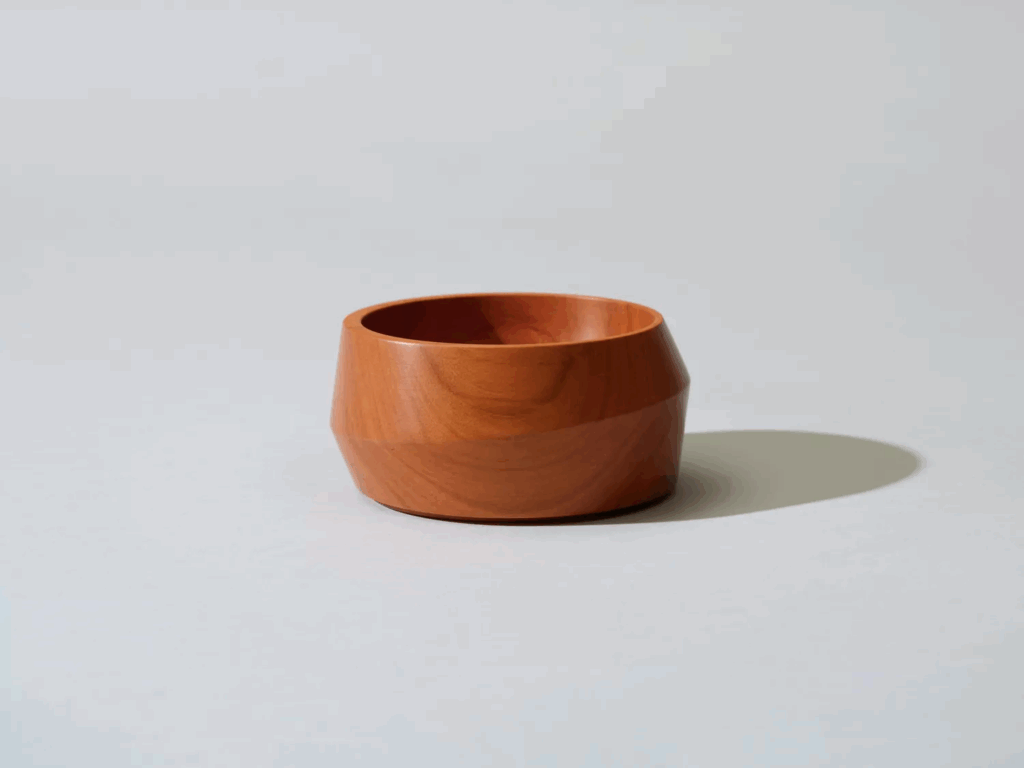
Introducing the Otto Bowl & Otto Plate from our exclusive Otto Series – a collection where artistry meets functionality. The name “Otto,” meaning “8” in Italian, reflects the elegant 8-degree carving that defines each piece’s signature lines and graceful asymmetry. This unique angle brings a sense of movement to the design, offering varied perspectives from different viewpoints and creating a striking effect when stacked.
Whether used as a serving plate, displayed as an objet d’art, or styled as an accent piece, the Otto Bowl & Otto Plate bring a refined, sculptural beauty to any space. Transform your home with these versatile pieces that embody both Italian craftsmanship and modern design.
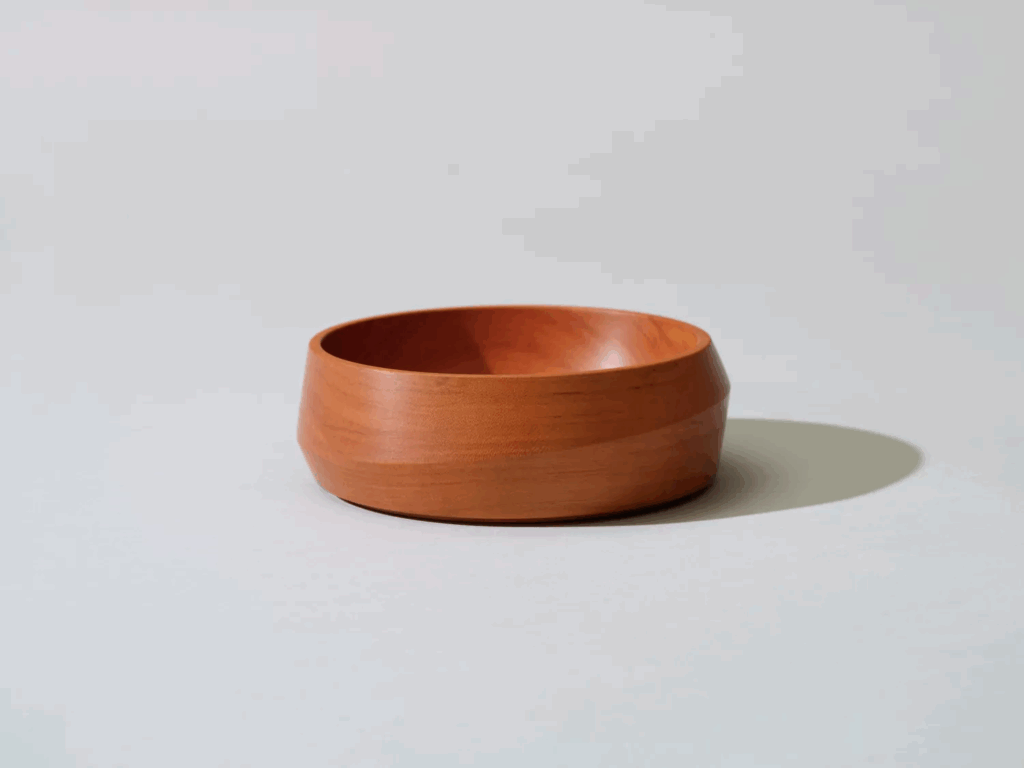
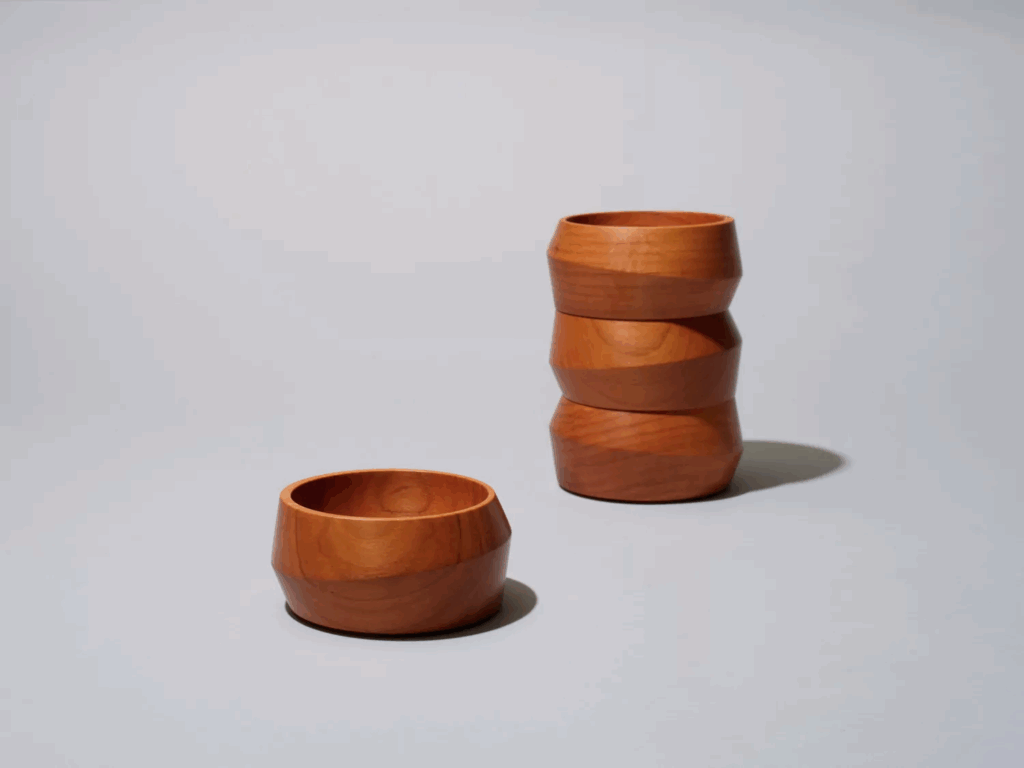
Discover the Otto Bowl & Otto Plate in our shop: Shop Here
]]>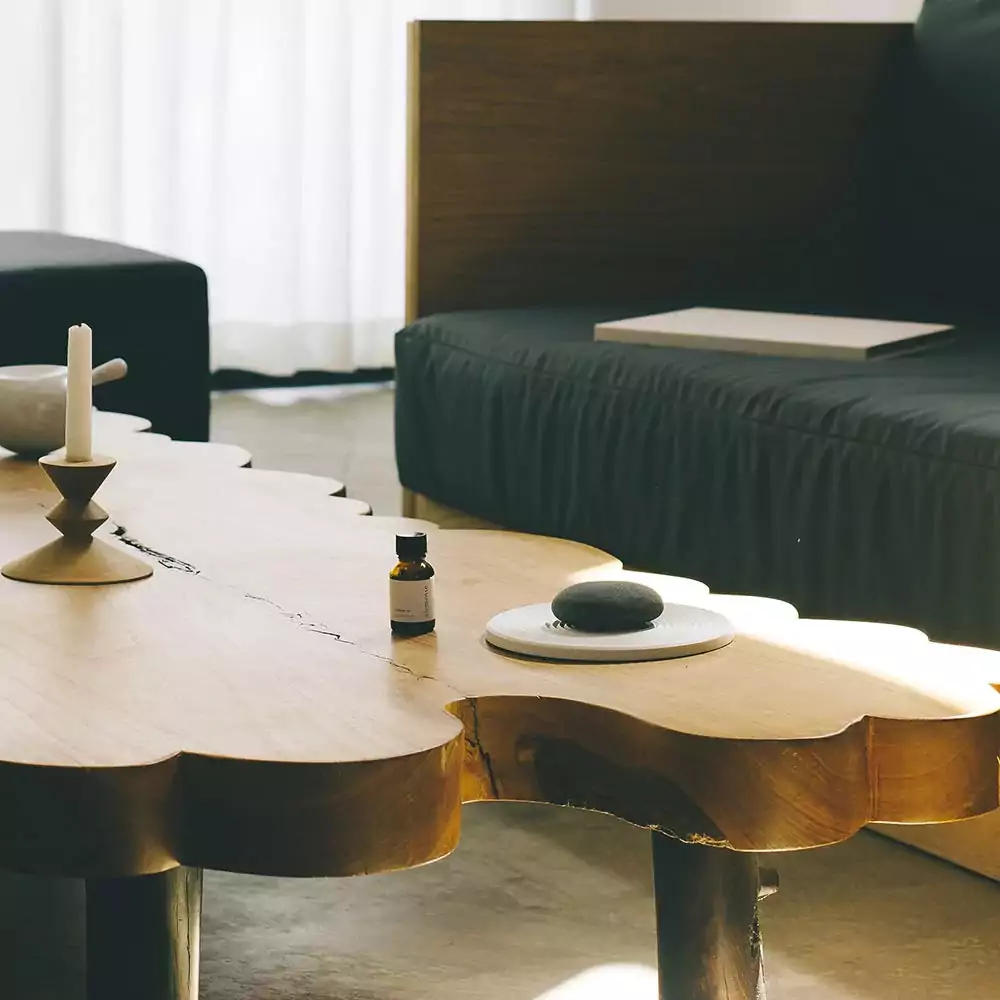
Established in 2018 by designer Takuhiro Shinomoto, the Elemense series was brought to fruition in 2021 through Nippon Kodo, one of Japan’s oldest incense manufacturers.
The Elemense series features five unique fragrances, each inspired by one of the five elements. Using only the finest raw materials sourced globally, Nippon Kodo has created an exceptional collection of scents designed to enhance the tranquility of any interior space.
1. Pottery Stone Diffuser
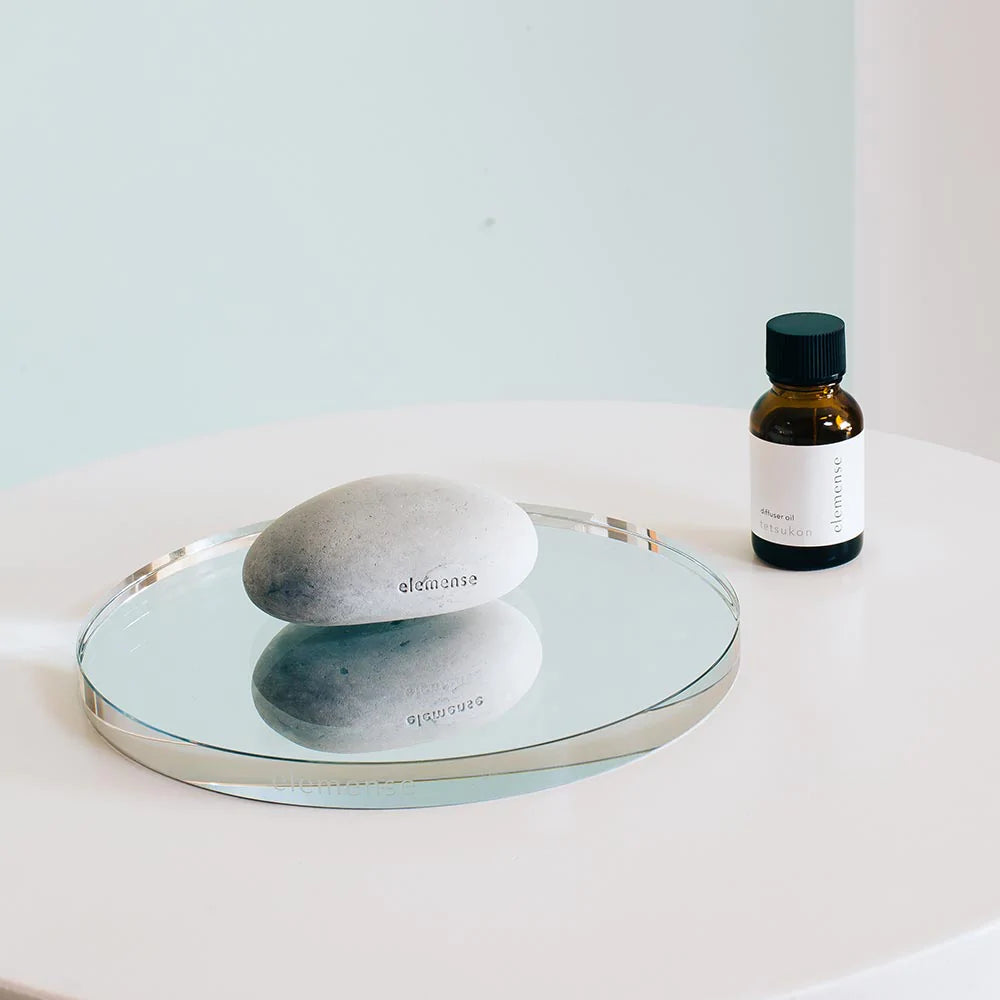
This ceramic diffuser, crafted by skilled artisans in Shigaraki, Japan, resembles a natural beach pebble. Add a few drops of diffuser oil, and the scent gently fills your space, bringing a touch of nature indoors.
Click here to shop the Pottery Stone Diffuser at OEN Shop ⟶
2. Diffuser Oil tetsukon

The Tetsukon fragrance, inspired by the element of water, opens with soothing, spicy pepper and settles into woody Hinoki and Cedarwood notes.
Elemense diffuser oil is crafted to be placed on ceramic stones, transforming the ambiance with just a few drops.
Click here to shop the Diffuser Oil tetsukon at OEN Shop ⟶
3. Diffuser Oil nukubai
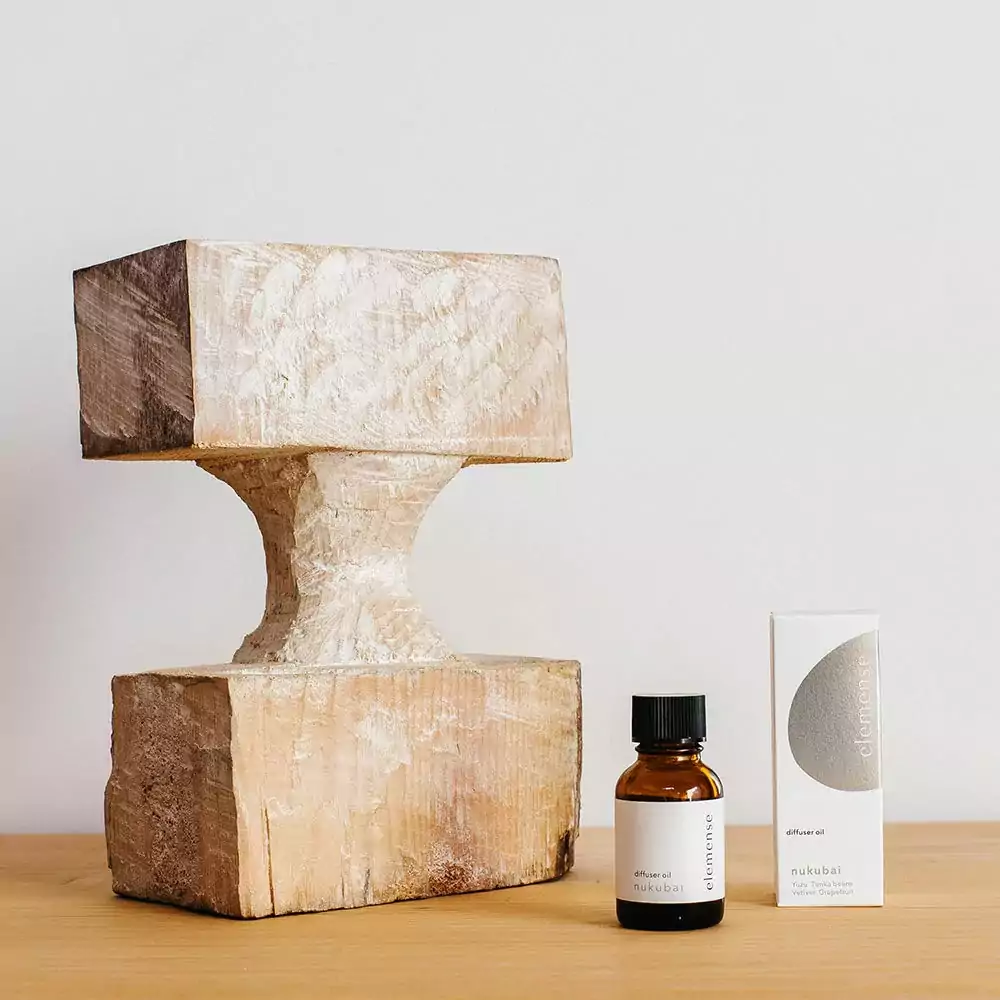
The Nukubai fragrance draws inspiration from the element “earth,” opening with a spicy Yuzu note that settles into a warm, sweet scent with hints of Sandalwood. Simply add a few drops of this diffuser oil to the Elemense ceramic stone to transform your space.
Click here to shop the Diffuser Oil nukubai at OEN Shop ⟶
4. Diffuser Oil kiyobi

The Kiyobi fragrance, inspired by the element of fire, opens with a refreshing peppermint note, followed by a soft hint of Mugwort (Yomogi), and finishes with warm Hiba and Hinoki wood tones.
Elemense diffuser oil is designed to be used with their ceramic stone. Just a few drops on the stone can transform the atmosphere of any room.
Click here to shop the Diffuser Oil kiyobi at OEN Shop ⟶
5. Incense tetsukon
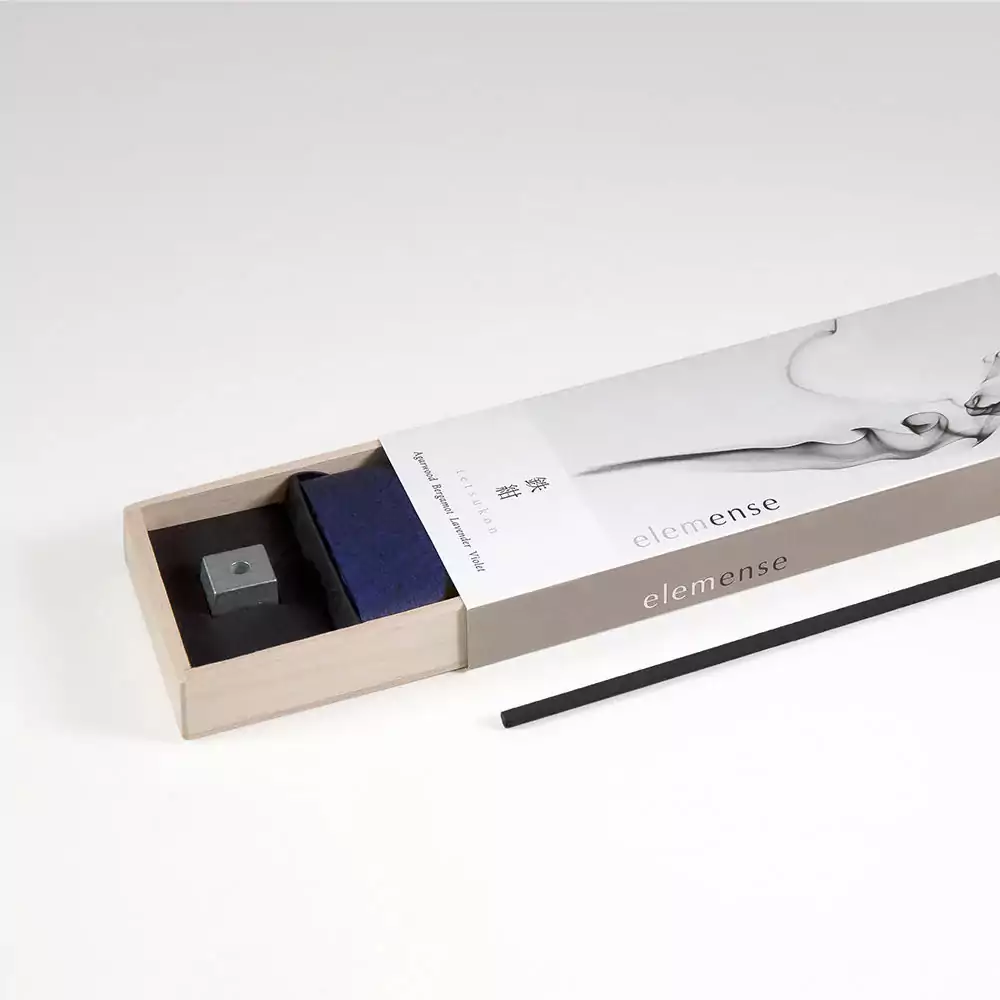
The Tetsukon incense, inspired by the “Water” element, starts with a fresh citrusy bergamot scent, softens with delicate violet, and finishes with warm cedarwood and agarwood tones.
Click here to shop the Incense tetsukon at OEN Shop ⟶
6. Incense sekishin
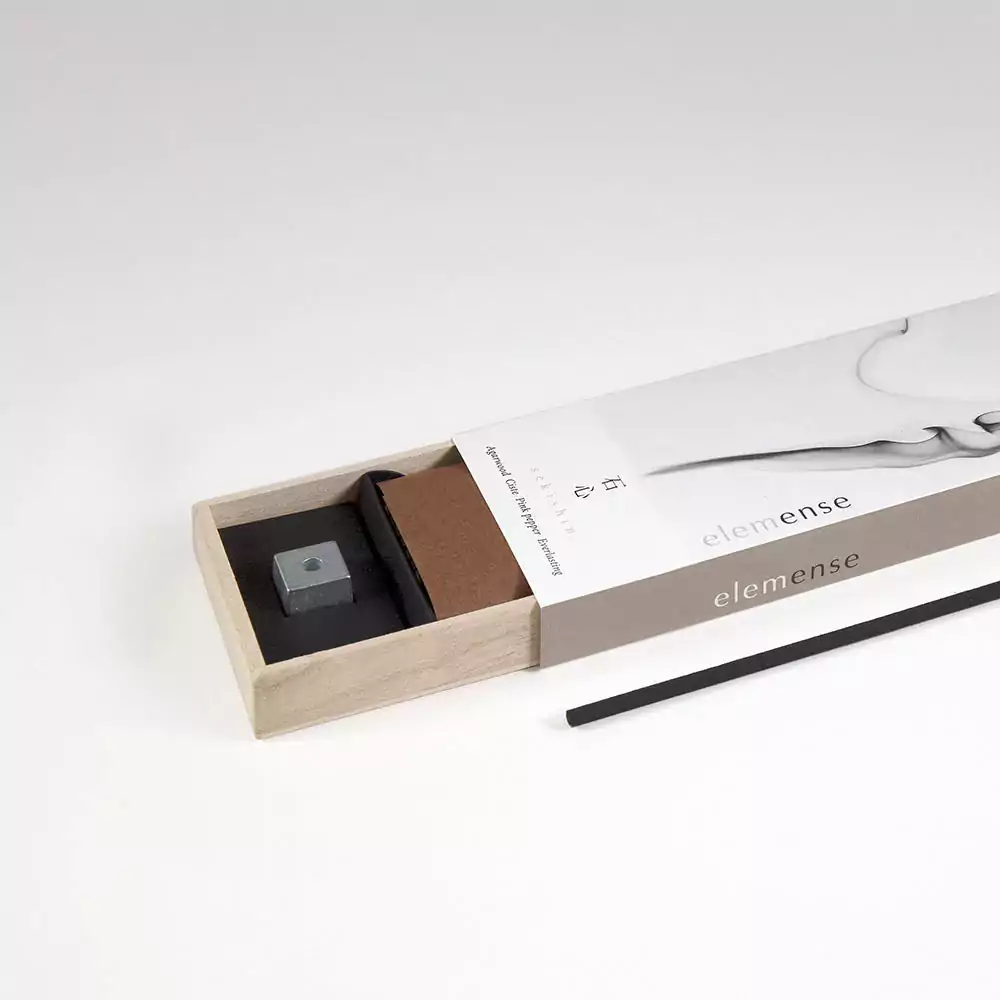
Sekishin, inspired by the “Metal” element, begins with a bright pink pepper note that shifts to fresh green, finishing with the deep warmth of agarwood.
Click here to shop the Incense sekishin at OEN Shop ⟶
7. Incense nukubai
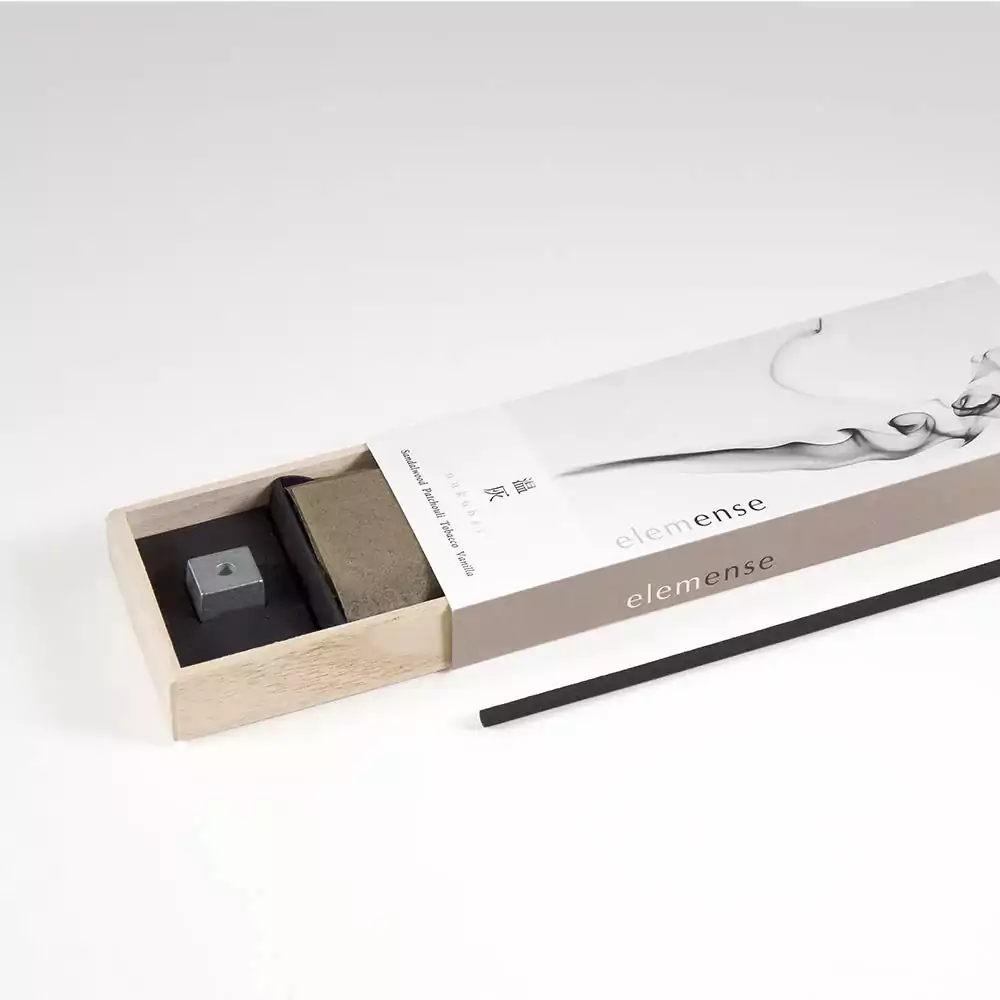
Nukubai, inspired by the “Earth” element, wraps you in warmth with its sweet, slightly smoky fragrance, finishing with the deep, refined scent of sandalwood. It brings a comforting tenderness to any space.
Click here to shop the Incense nukubai at OEN Shop ⟶
8. Incense kiyobi
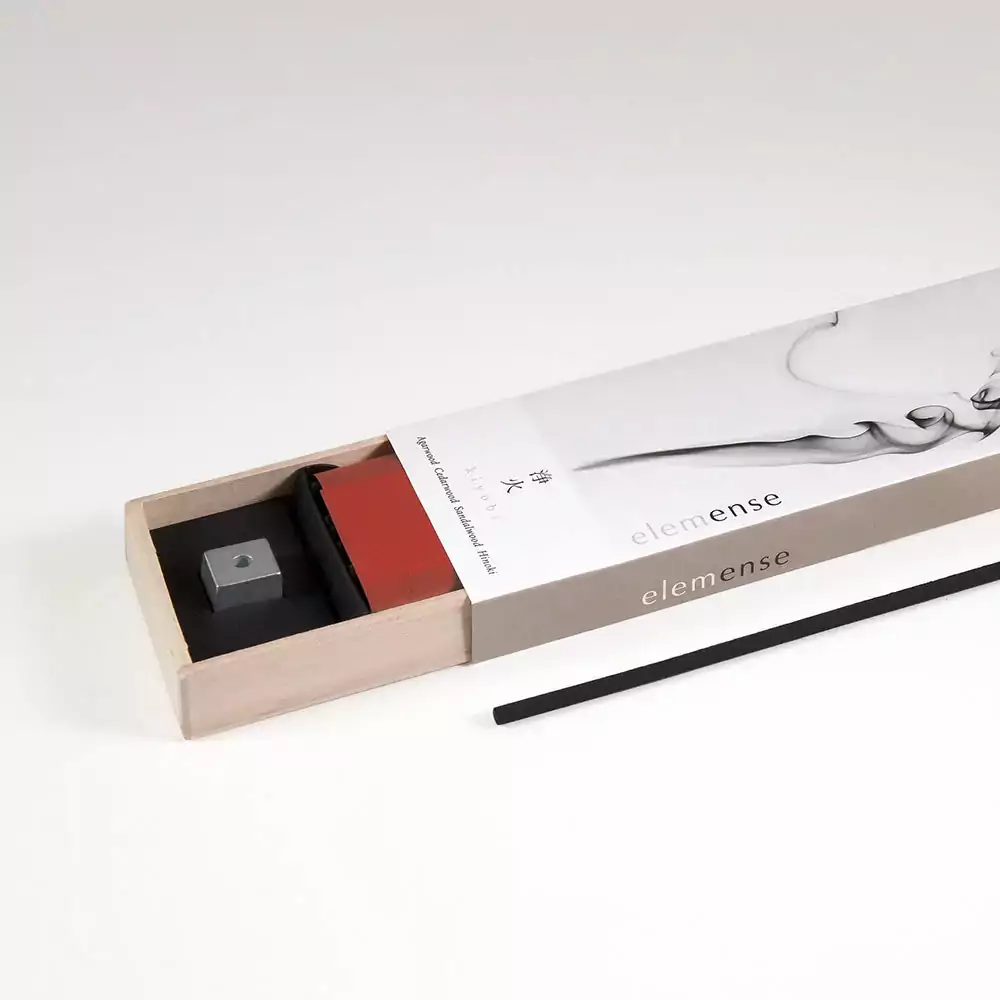
The Kiyobi fragrance, inspired by the element of fire, begins with the fresh, woodsy scent of hinoki and evolves into the warm sweetness of sandalwood and agarwood. Its gentle aroma gradually cools as it fades.
Click here to shop the Incense kiyobi at OEN Shop ⟶
9. Incense suou
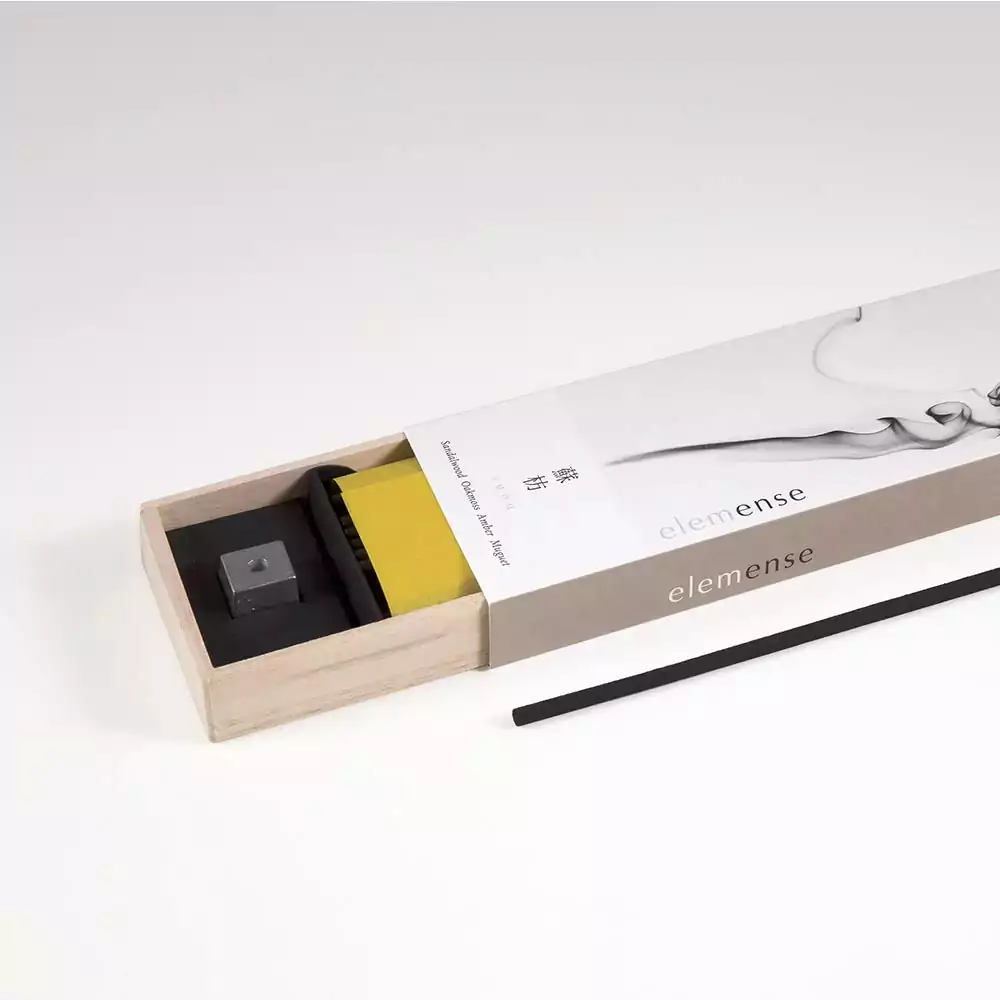
The Suou fragrance, inspired by the element of wood, begins with lily, transitions to moss, and settles into sweet amber with sandalwood. Its gentle aroma softly fills any room.
Click here to shop the Incense suou at OEN Shop ⟶
10. Porcelain Diffuser Tray
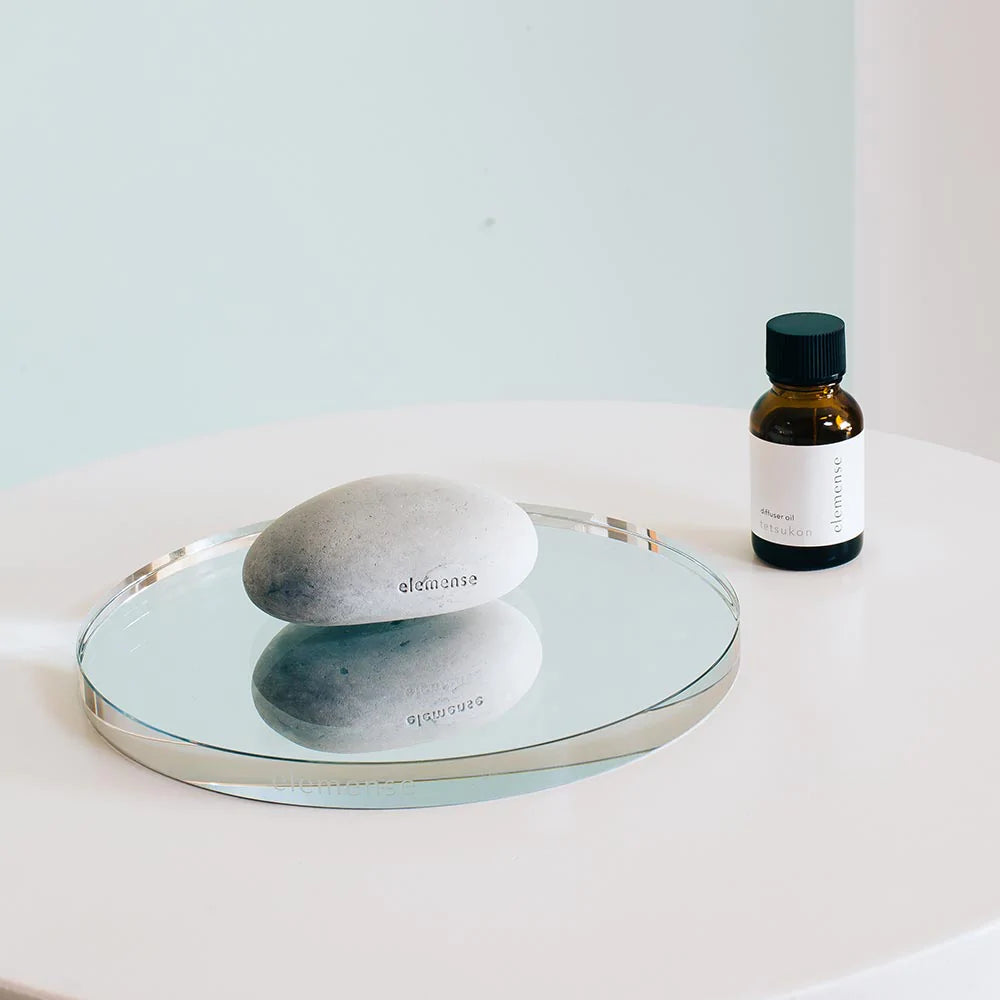
Enhance your pottery stone diffuser experience with our porcelain tray from Nagasaki’s Hasami ware. This elegant white tray, featuring a subtle groove, protects your surfaces from any oil drips and evokes the calming feel of a Japanese zen garden.
Click here to shop the Porcelain Diffuser Tray at OEN Shop ⟶
11. Acorn Brass Incense Holder
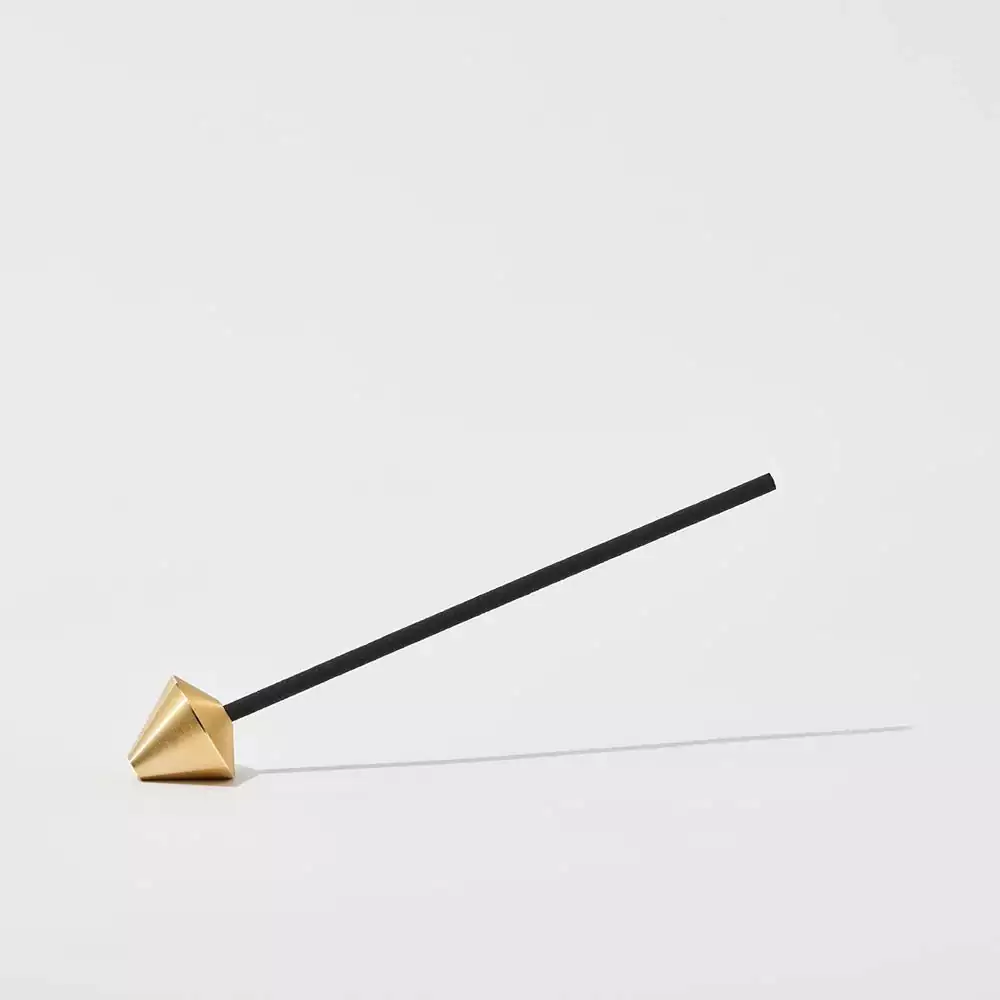
This brass incense holder keeps incense perfectly angled, with a unique acorn shape that tilts up or down as desired. Expertly crafted from a solid brass bar in a Tokyo workshop, each piece showcases the skill and precision of Japanese artisans.
Click here to shop the Acorn Brass Incense Holder at OEN Shop ⟶
]]>